
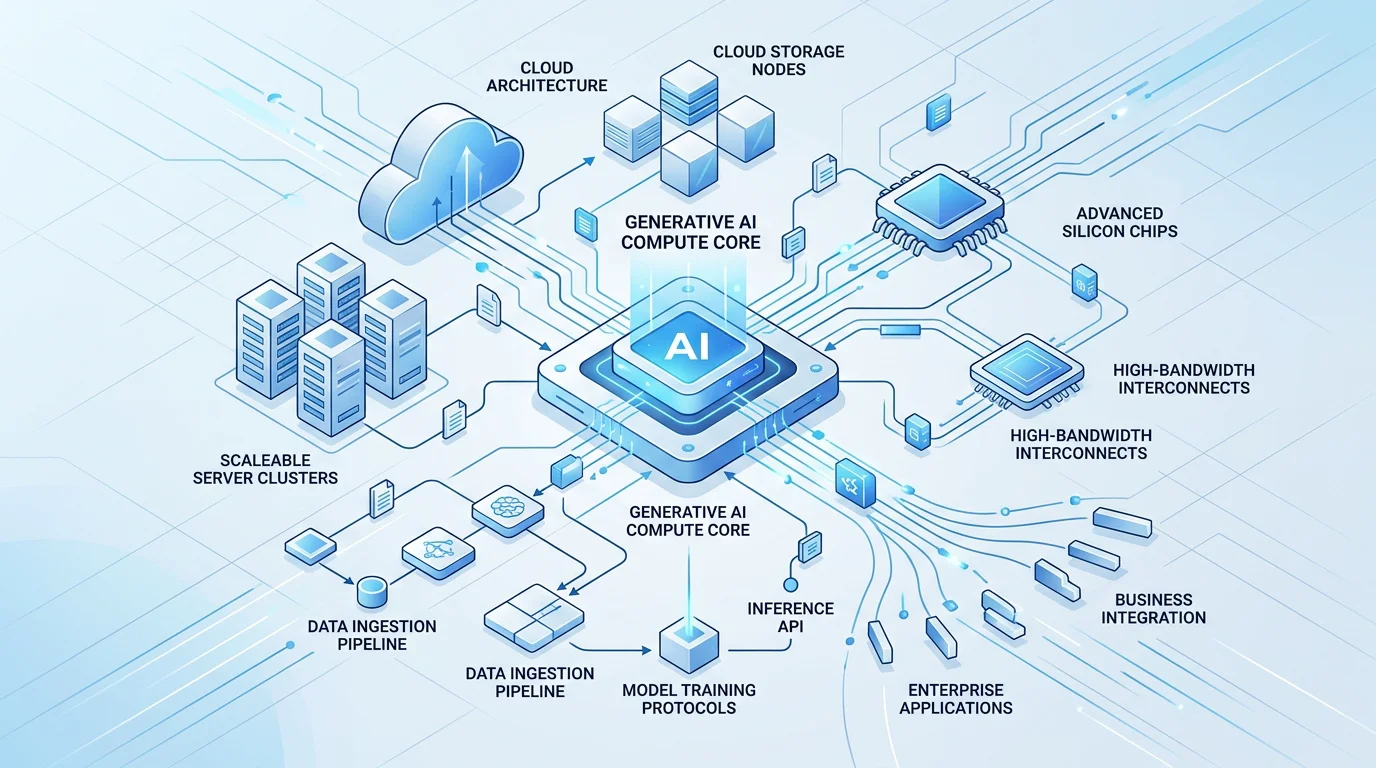
Generative AI Security Risks: An Enterprise Guide 2026
A 2026 guide to generative ai security risks for enterprises, covering prompt injection, data leakage, deepfakes, and structural mitigation strategies.
A 2026 guide to generative ai security risks for enterprises, covering prompt injection, data leakage, deepfakes, and structural mitigation strategies.
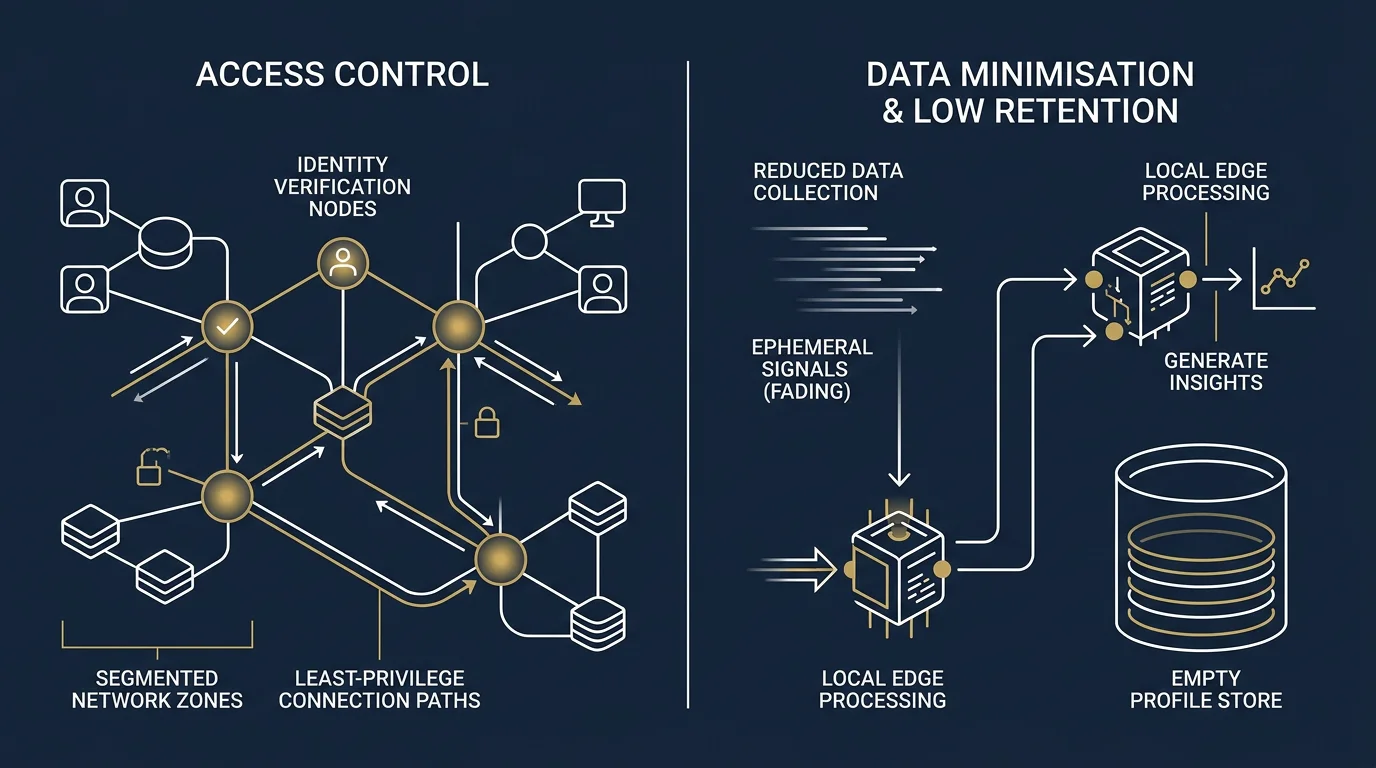
Zero trust controls who accesses what, but it still collects identity and behavioral data. Learn why access control alone is not enough for enterprises.
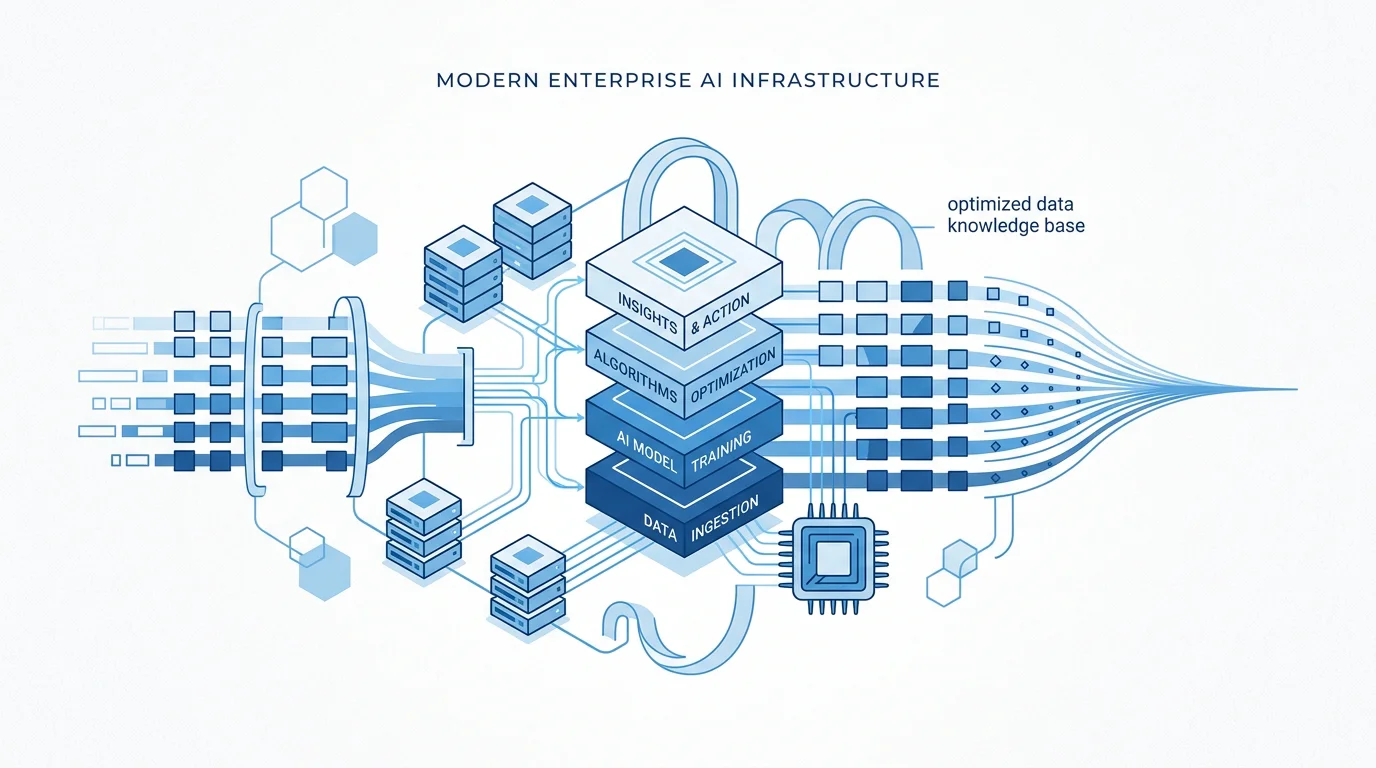
Rethink data readiness for AI: achieve AI-ready systems through minimization and a Zero Data Protocol approach, without hoarding personal data.
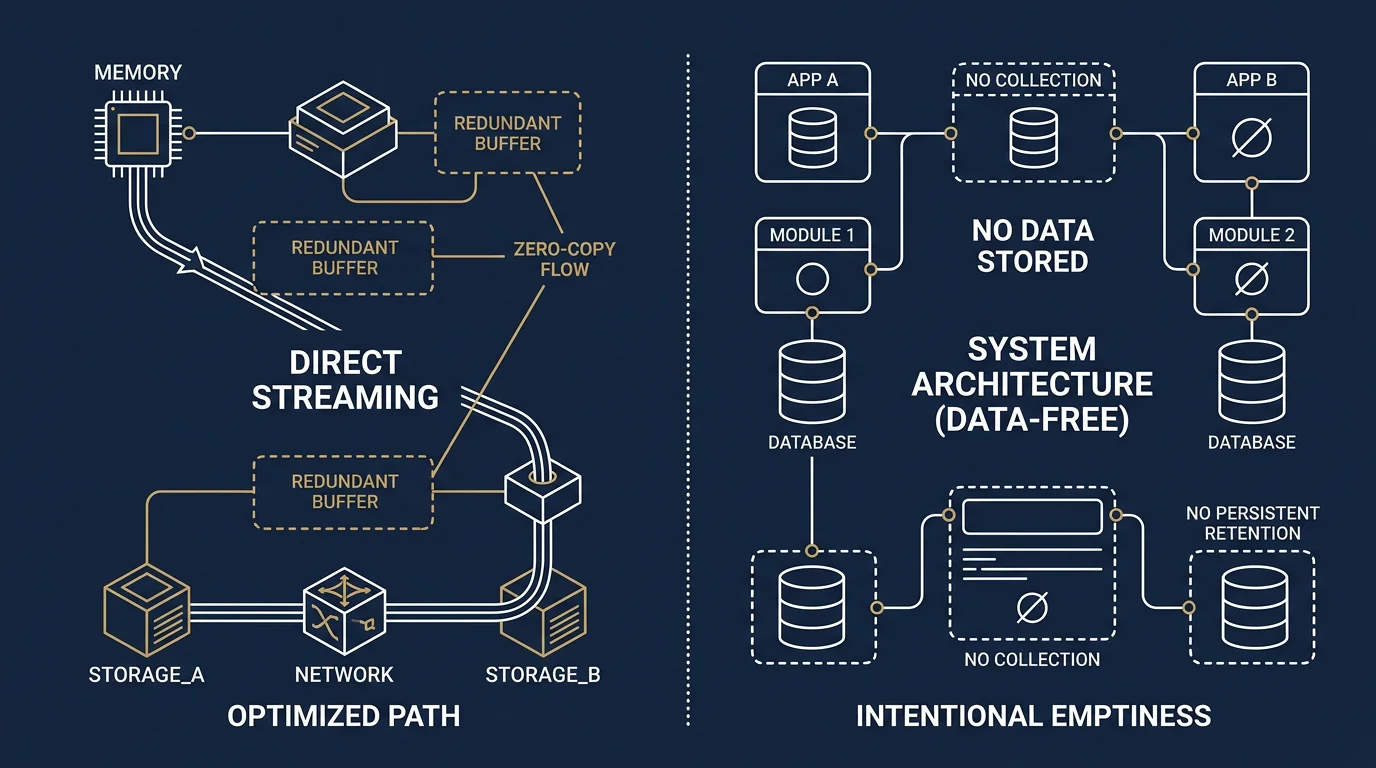
Zero Copy Data speeds access by avoiding memory copies, yet it is not privacy. See how it differs from Zero Data Protocol by design.
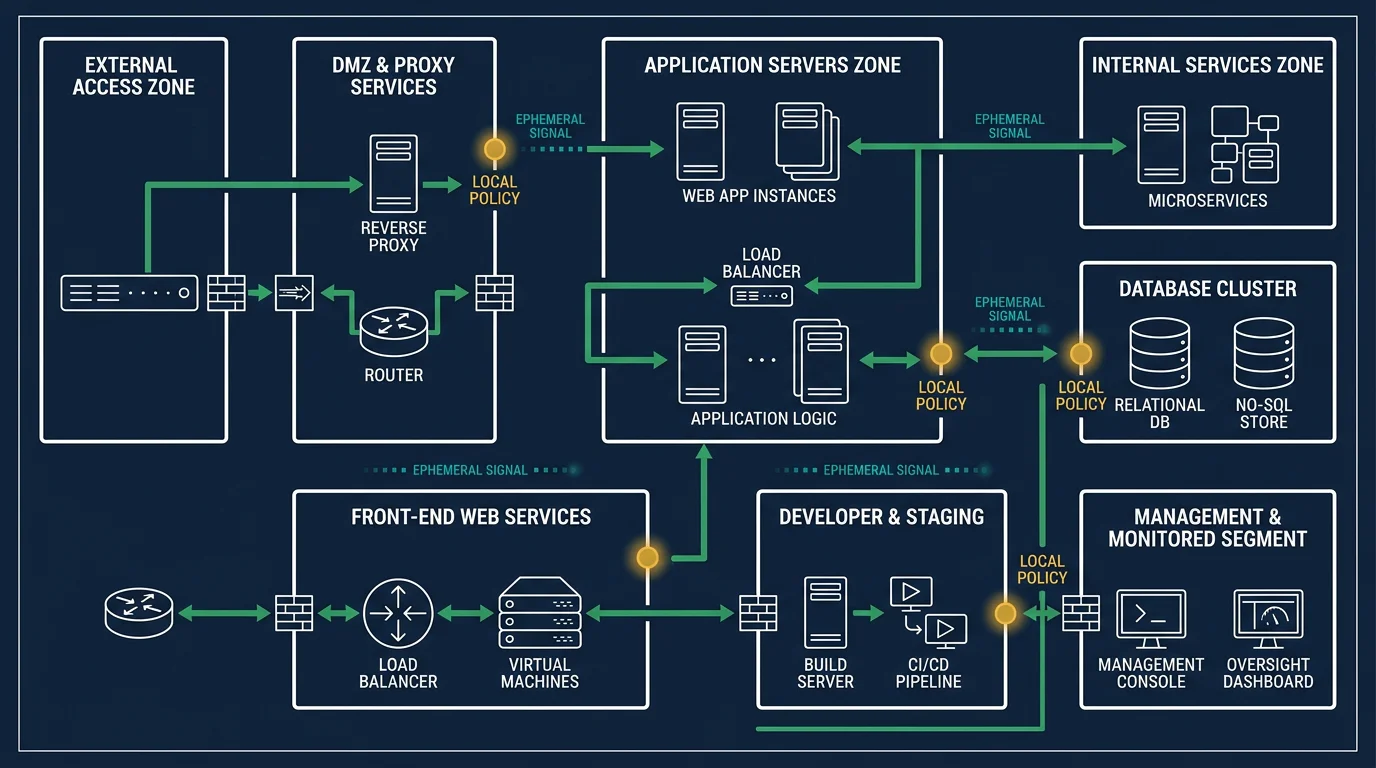
Learn how network segmentation contains breaches without building persistent identity, device, or telemetry profiles across your enterprise network.
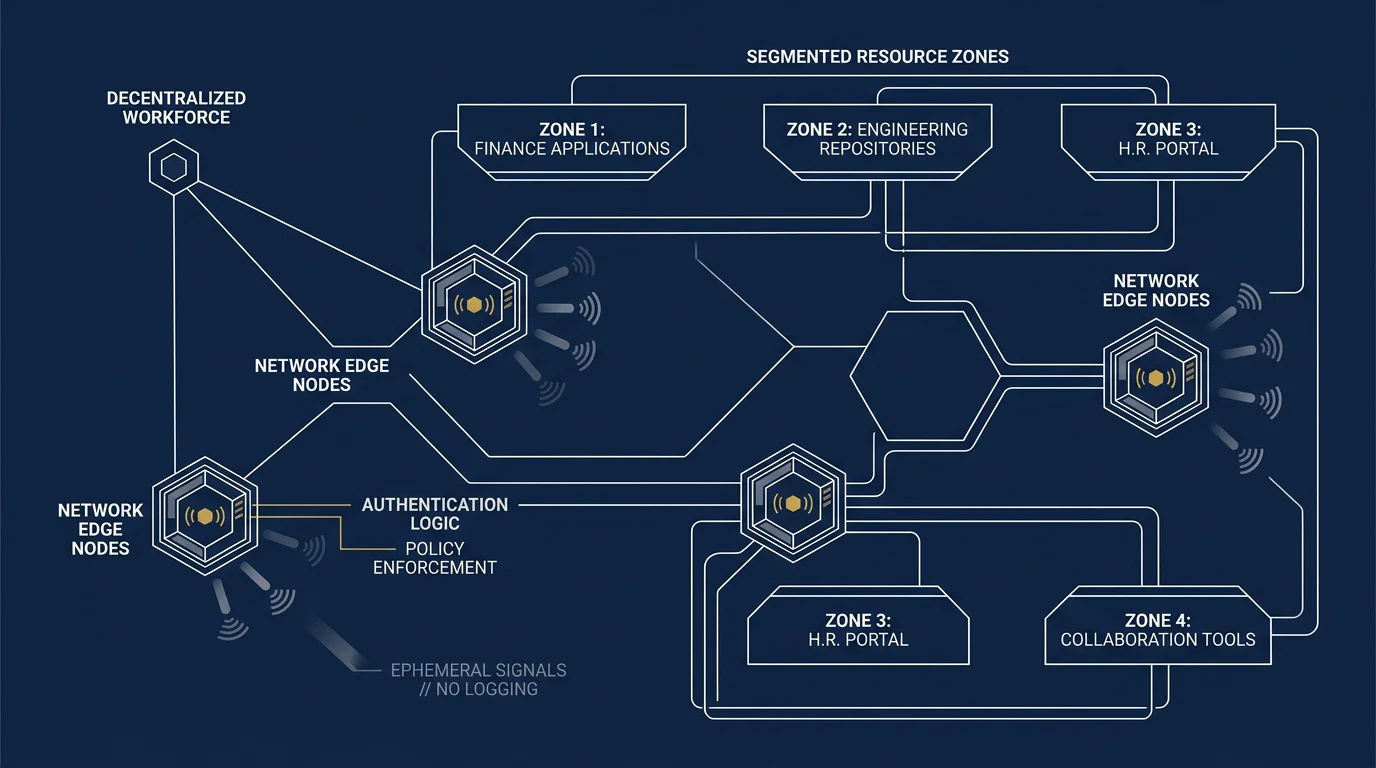
Learn how network access control works and how a zero data protocol approach enforces access without persistent personal-data profiling.
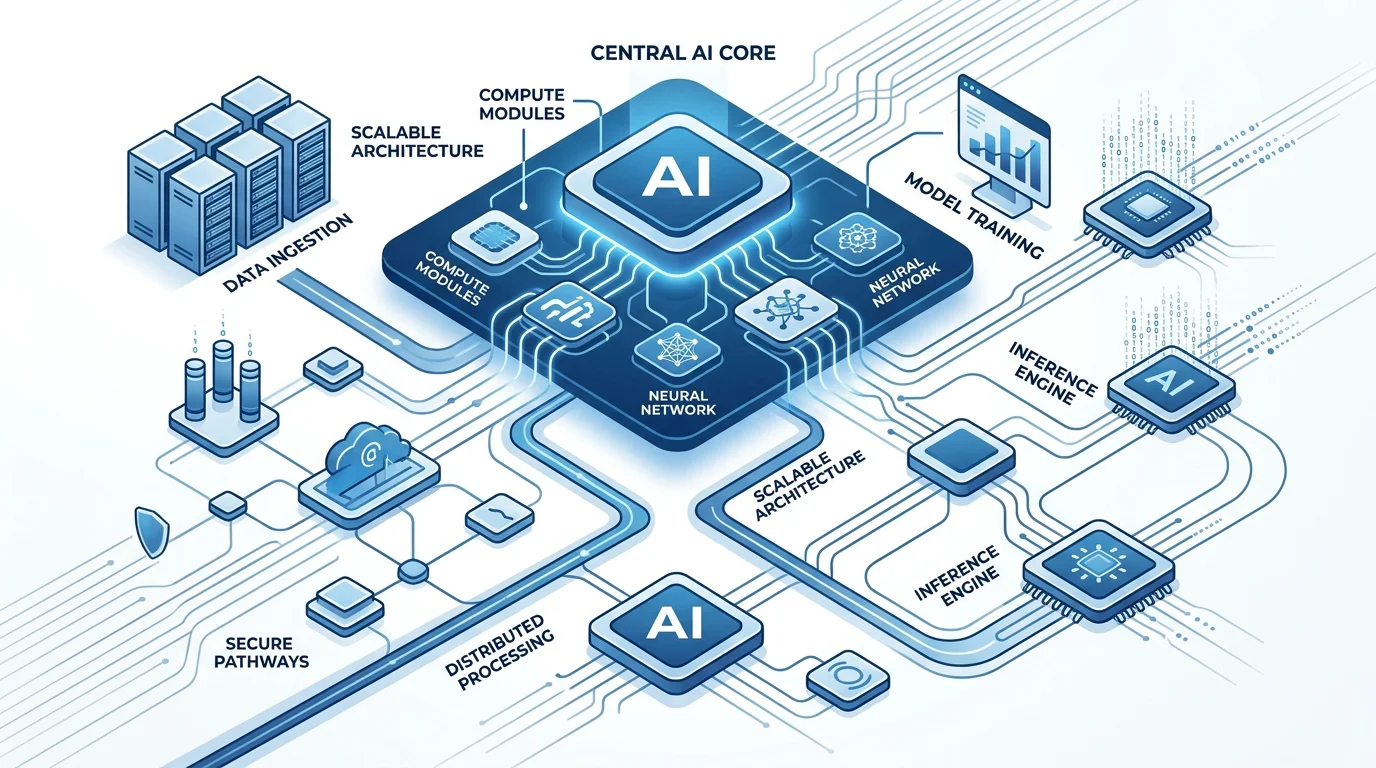
Learn how to make ai business-ready with strong data foundations, governance and security that turn stalled enterprise pilots into measurable value.
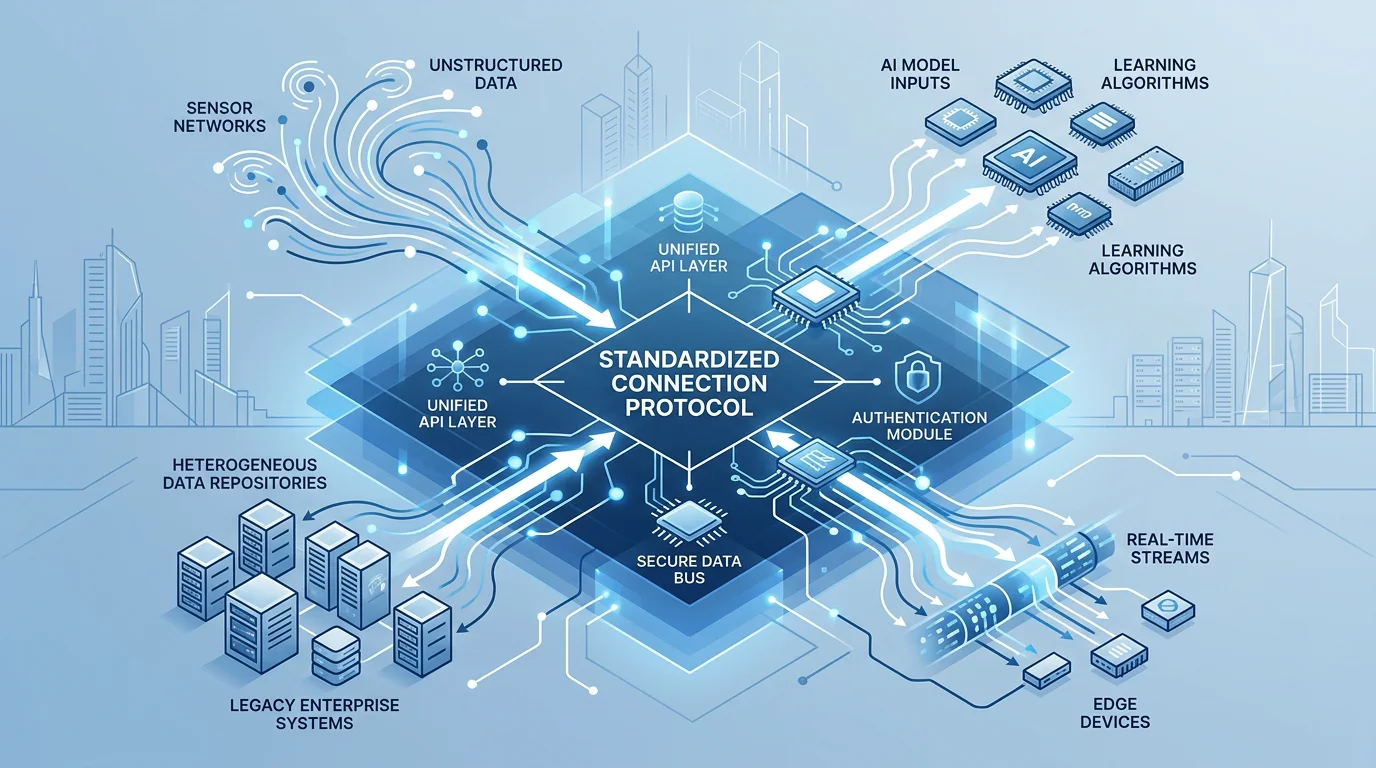
The agent data protocol standardizes fragmented AI agent datasets. Learn how it works, why it matters, and how to reduce agent data risk in 2026.
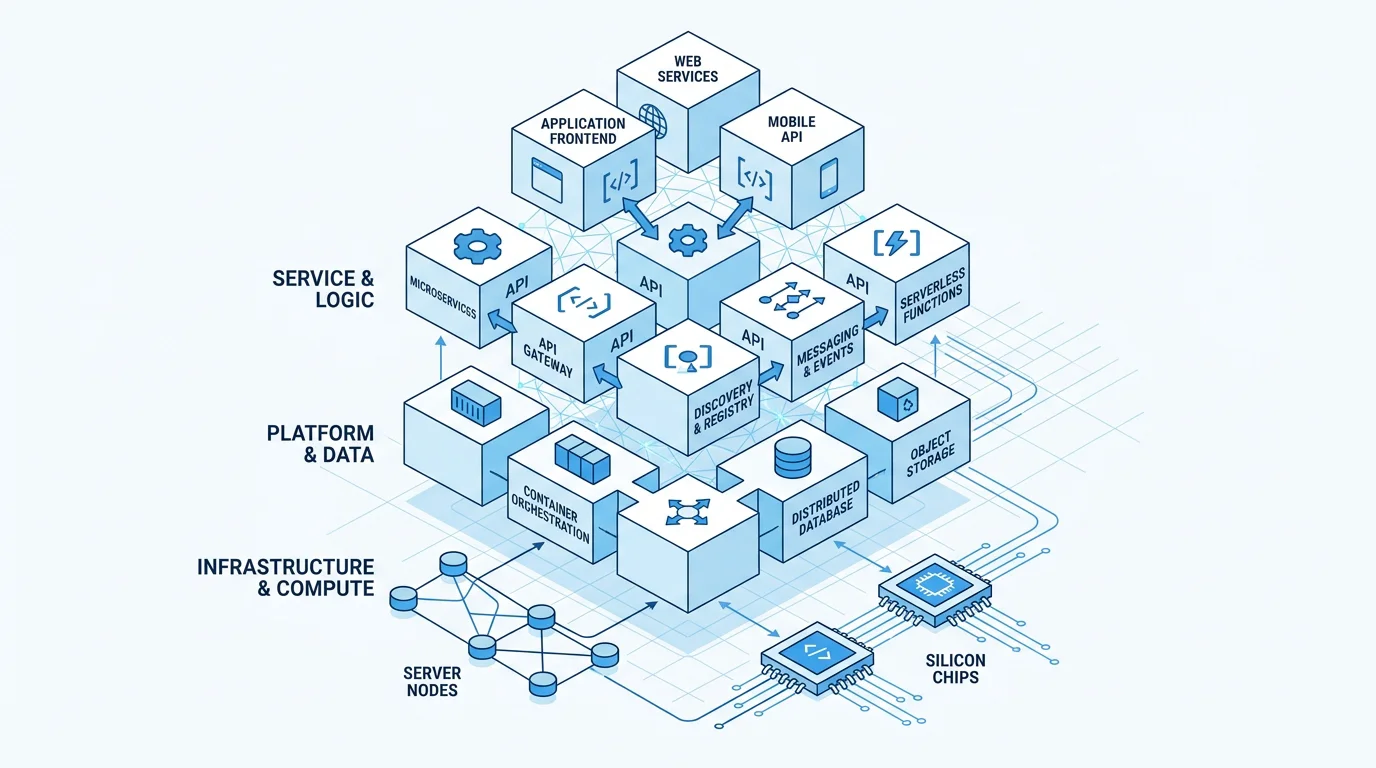
Learn how composable systems replace rigid monoliths with modular, API-first design, and why data-minimal architecture is now the enterprise standard.
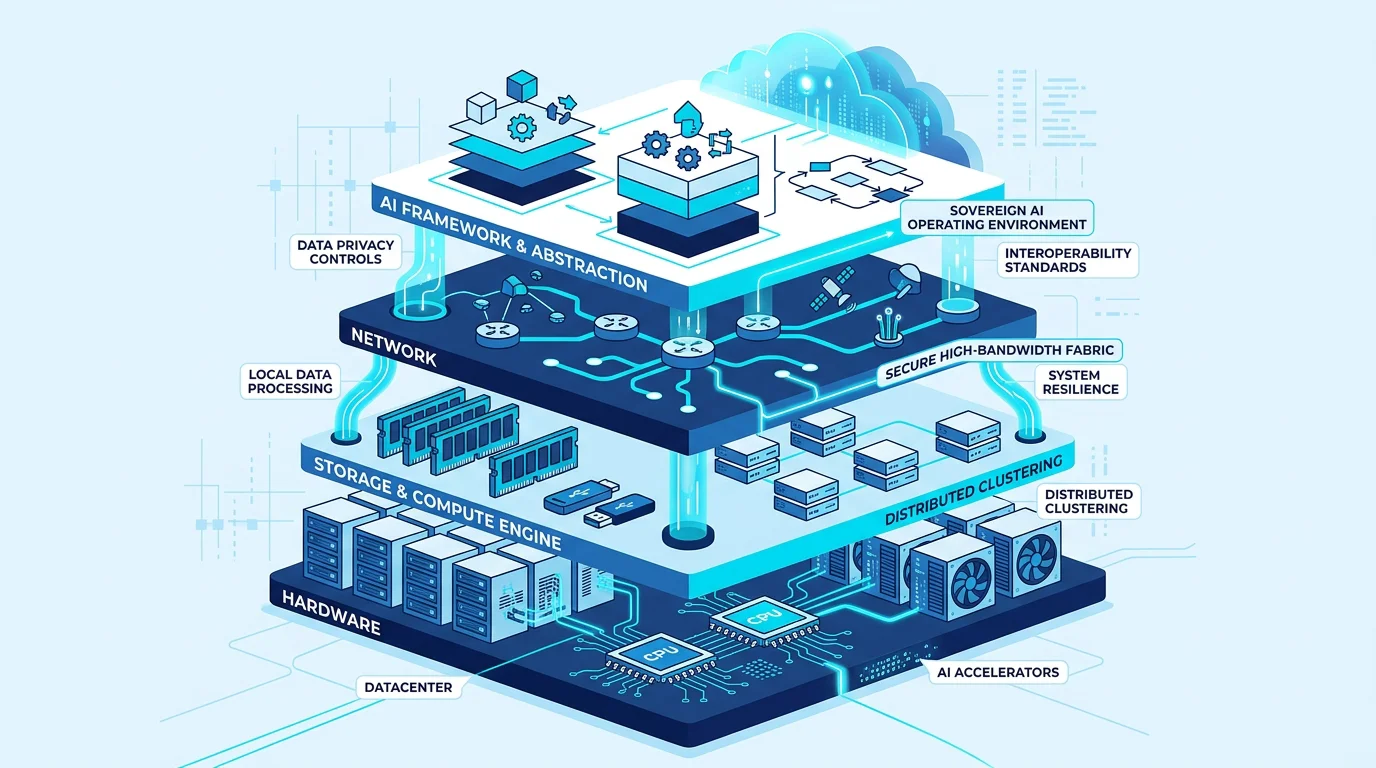
Discover what sovereign ai means, why it matters in 2026, and how enterprises reduce data risk while keeping AI infrastructure under local control.
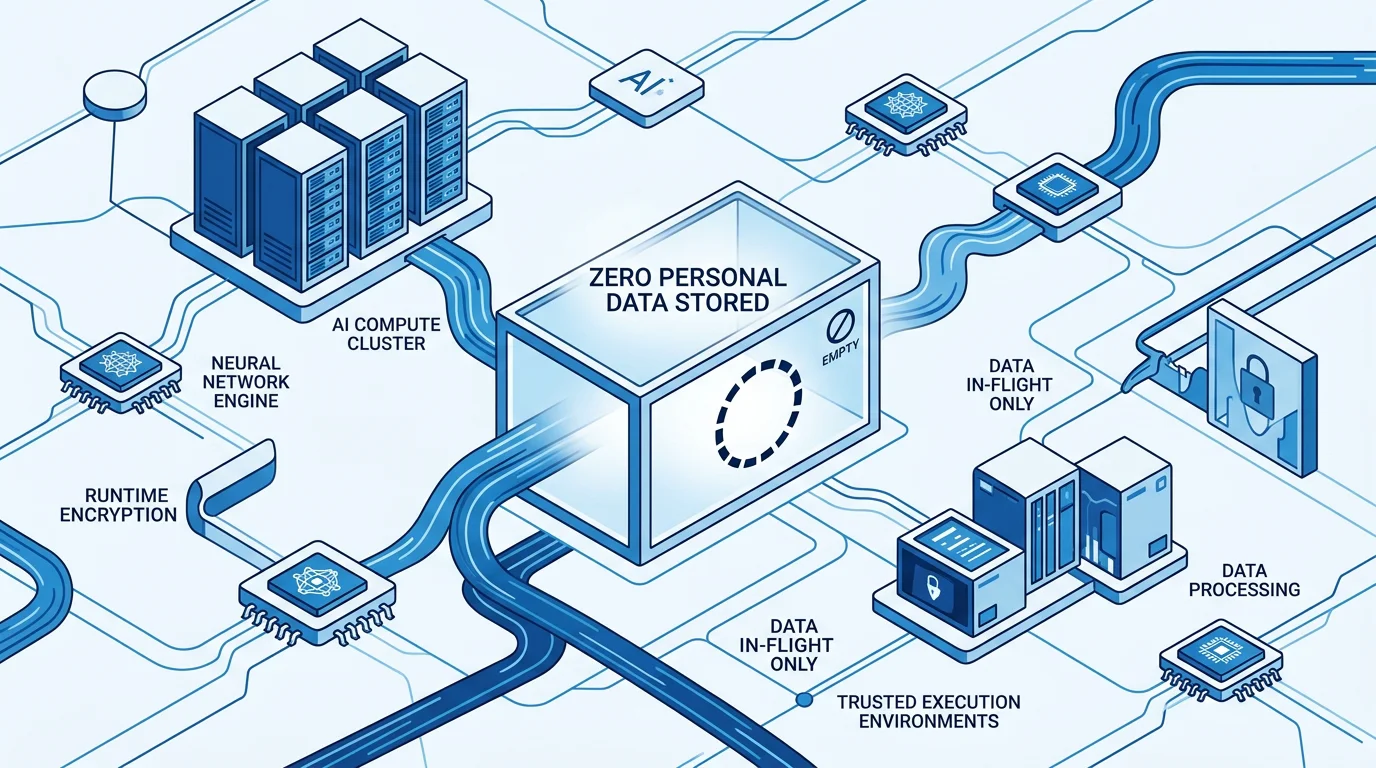
Zero data is a design approach that removes personal-data dependency from systems. Learn how zero data architecture reduces AI security risk.
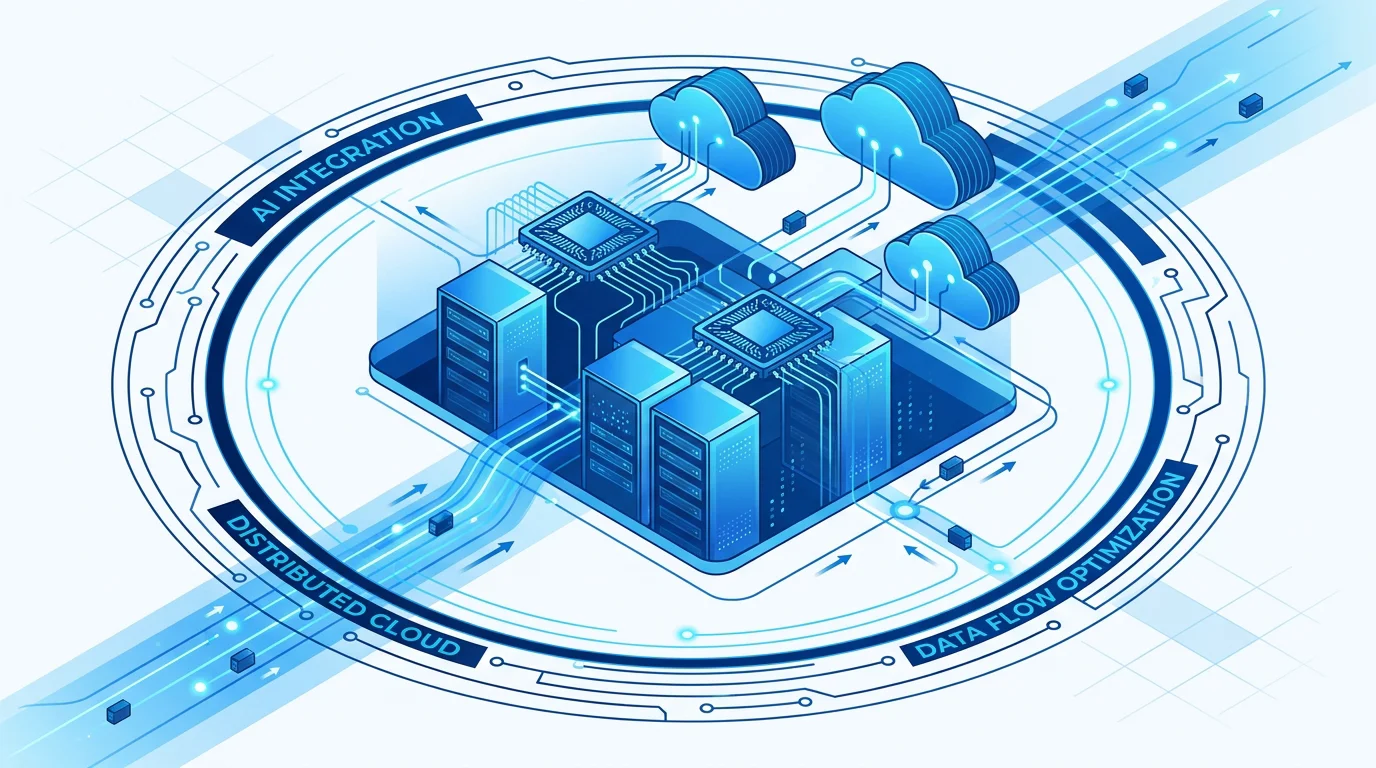
Learn how an AI-ready network supports demanding AI workloads with low latency, embedded security, and modern architecture built for scale.