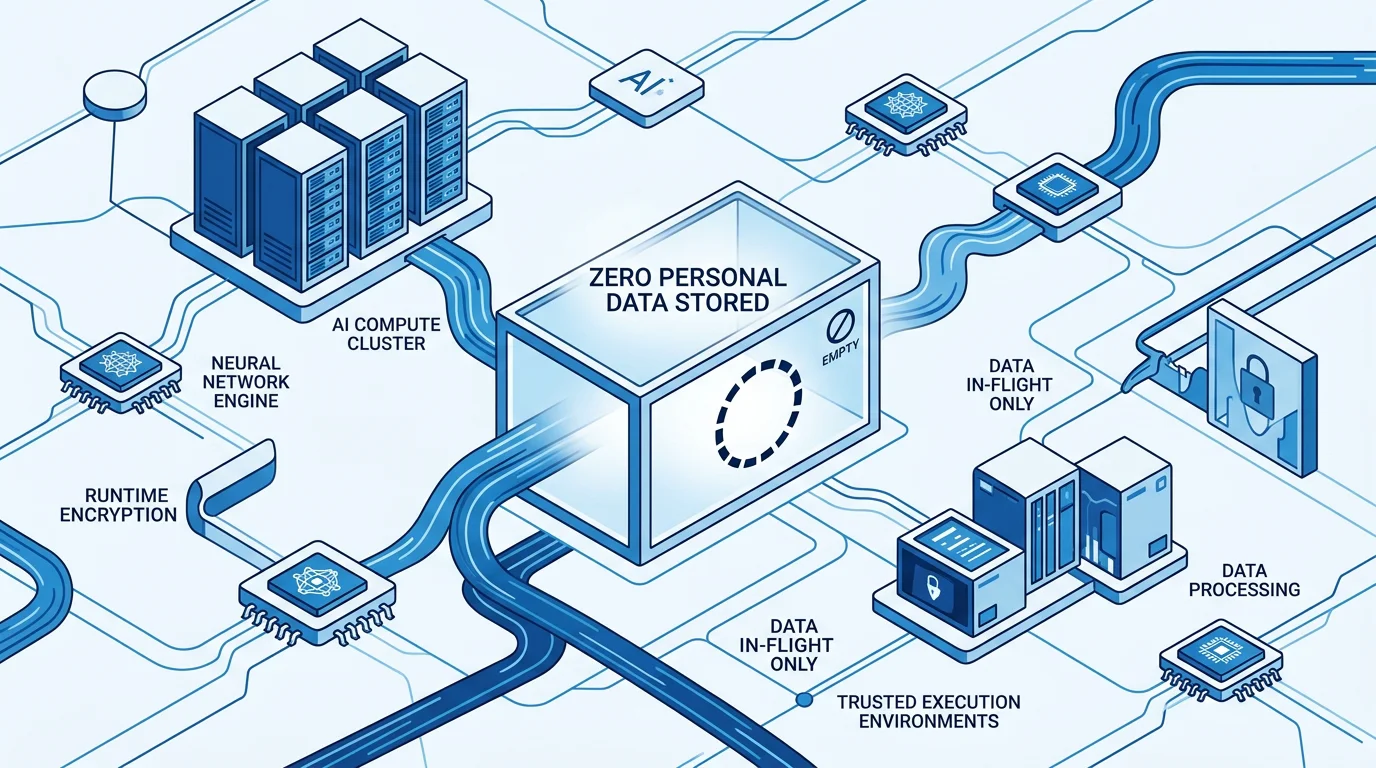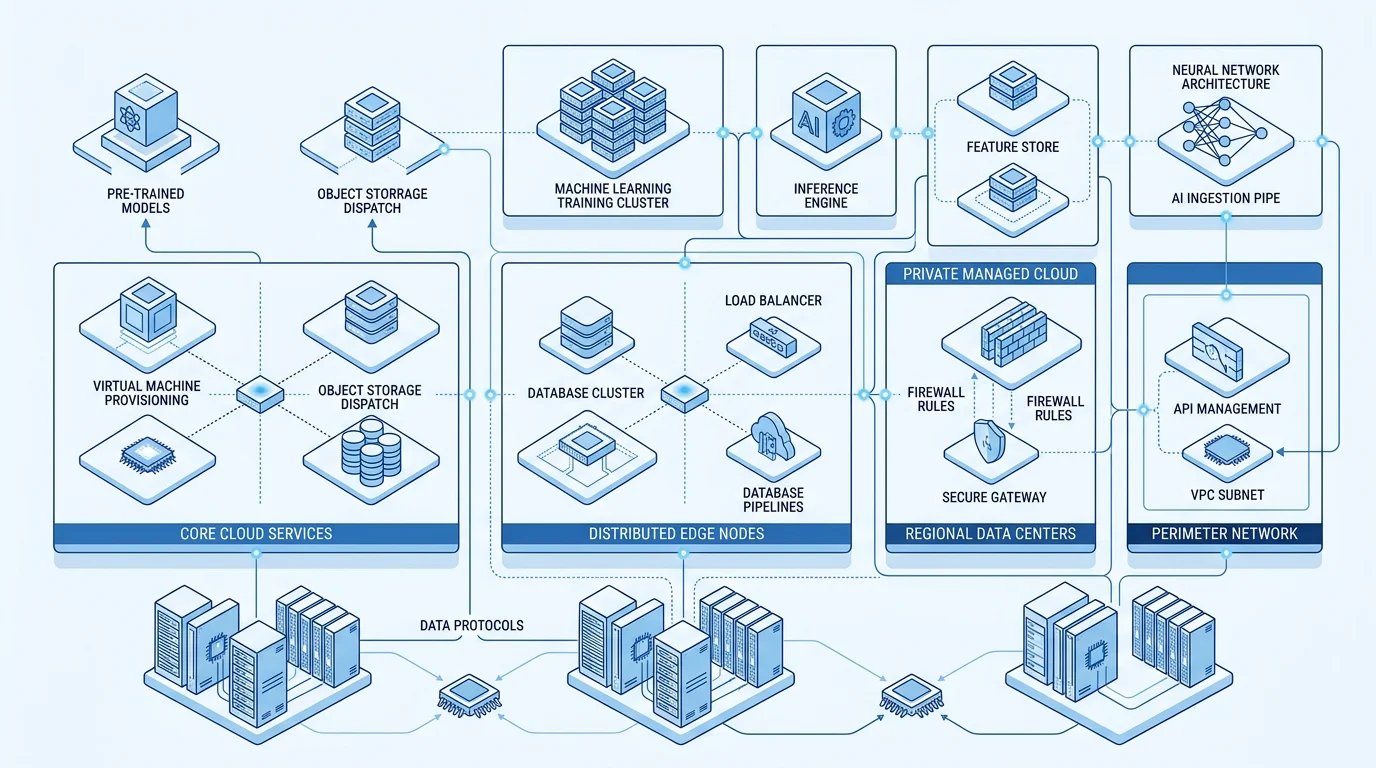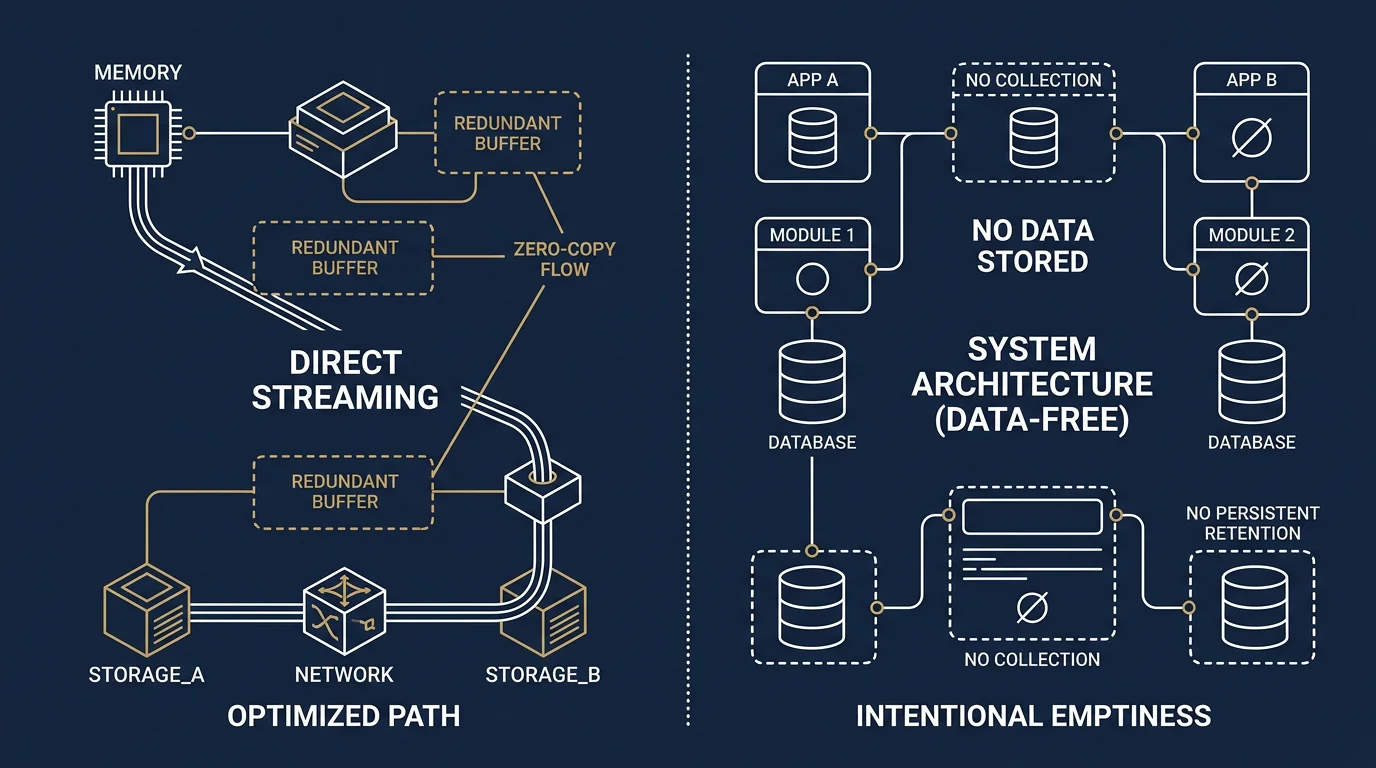

By 2026, many enterprises describe their estates in the same way: they are drowning in redundant copies of the same records. The instinct to avoid the duplication of data has made zero-copy techniques one of the most discussed patterns in modern architecture. Before adopting them, it is worth understanding what they actually deliver, and our Zero Data Architecture guide explains why performance and privacy are separate problems.
The confusion is understandable. According to Skyvia's overview, organizations increasingly treat every extra copy as a cost and a compliance risk. Yet reducing copies is an efficiency decision, not a data-minimization one. This article distinguishes the engineering discipline of zero-copy from Zero Data Protocol, a structural approach that reduces personal-data dependency by design.
What zero-copy data means in computing, networking, and storage
In computer science, the term Zero Copy Data refers to techniques that transfer information between memory spaces without requiring the CPU to copy the bytes. The goal is to avoid redundant memory copies that waste processor cycles and memory bandwidth. At the operating-system level, calls such as sendfile or splice let a file move from disk to network without bouncing through user space and back.
The same principle scales upward. In storage and data platforms, zero-copy means granting logical access to data where it already resides, rather than exporting and reloading it. Cloud warehouses expose shared tables through metadata and references, so multiple compute engines read the identical underlying files. Instead of three teams cloning a 500GB database into three separate copies, all three query one governed source. The pattern establishes a single source of truth without physical movement.
Across these layers, the definition is consistent. Zero-copy is about eliminating unnecessary reproduction of data during transfer or sharing. It says nothing about whether that data should have been collected, or whether it contains personal information at all.
Why zero-copy matters for enterprise performance
Consider a high-speed network where the link capacity approaches the processor's throughput. In that scenario, the CPU can spend nearly all of its time copying transferred bytes, becoming the bottleneck. Zero-copy protocols remove that ceiling, which is why they are foundational to high-throughput I/O, streaming, and multimedia processing.
At the platform layer, the benefits are operational and financial. Removing duplicate pipelines lowers storage costs, cuts synchronization drift, and delivers near real-time freshness because consumers read live data. Recent industry reporting on SAP and AWS zero-copy access cites throughput gains in the range of forty percent for certain cross-cloud workloads, alongside reduced staleness risk.
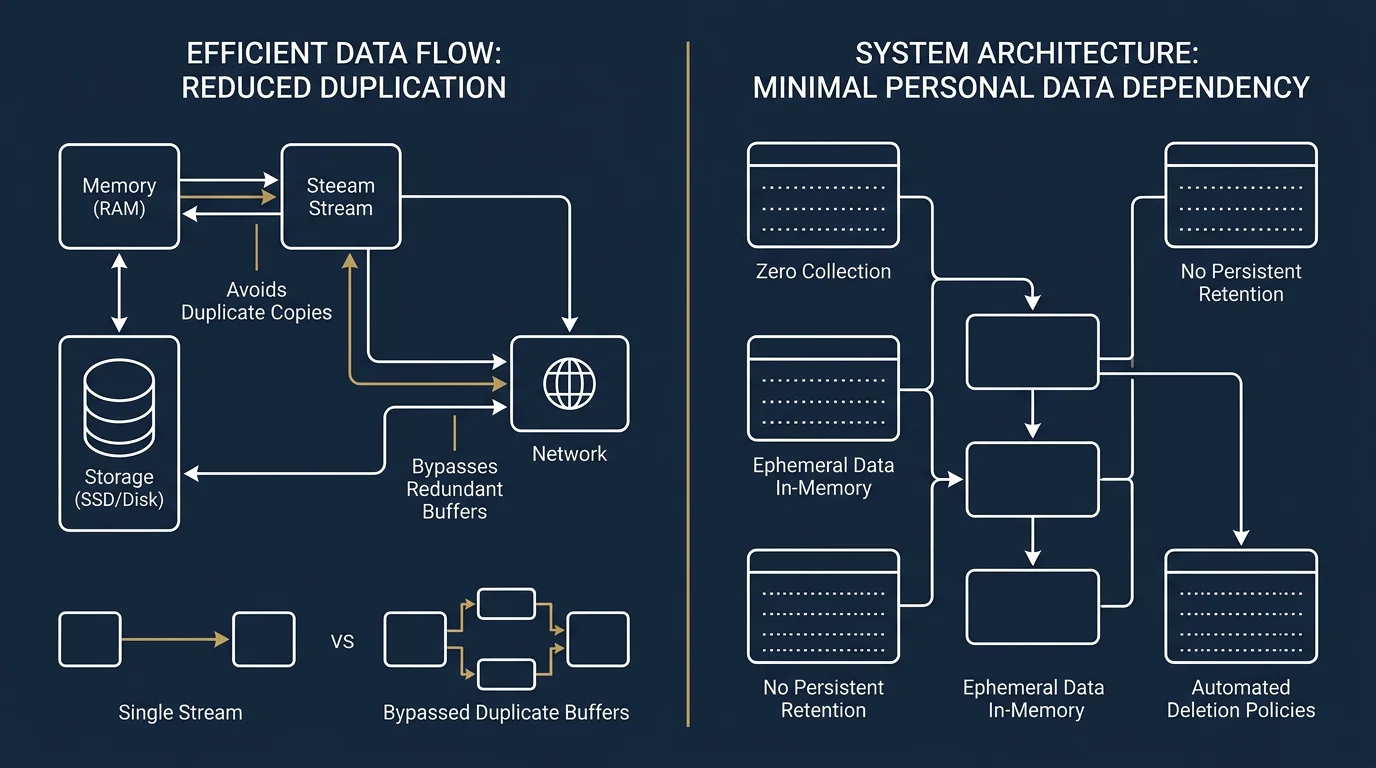
These outcomes are real and worth pursuing. The critical point for architects is scope. Zero-copy improves how efficiently existing data is accessed. It does not reduce the volume of personal data your systems hold, nor the obligations attached to that data. Performance and exposure are distinct axes.
Zero Data Protocol: reducing personal-data dependency by design
Where zero-copy optimizes movement, Zero Data Protocol (ZDP) questions the premise. It is a protocol-level architecture built to eliminate personal-data dependency before collection ever happens. Rather than protecting data after it accumulates, it is designed so that systems operate without relying on personal data whenever possible.
The model rests on three structural properties. Zero Collection means no personal data is gathered by default. Zero Retention means nothing is stored, cached, or archived. Zero Exploitation means nothing is monetized, analyzed, or repurposed. Together these produce what we call structural sovereignty: the absence of data is treated as a designed feature, not a limitation. For teams containing lateral movement, our micro-segmentation and breach containment article shows how minimizing what exists shrinks what any breach can expose.
This reframes the security conversation. A vulnerability can only expose what a system holds. By reducing what is held in the first place, ZDP lowers the ceiling on potential damage. It is not a consumer product, a consent layer, or a backup tool. It is a foundational architecture for AI, cloud, and digital infrastructure.
Zero-copy data versus Zero Data Protocol compared
The two ideas are often conflated because both use the word "zero" and both touch data efficiency. They solve different problems. Zero-copy is a performance and cost optimization. ZDP is a data-minimization architecture. The table below makes the distinction explicit.
| Criterion | Zero-copy data | Zero Data Protocol |
|---|---|---|
| Primary goal | Faster, cheaper access without duplication | Remove structural dependency on personal data |
| Acts on | How existing data moves and is shared | Whether personal data is collected at all |
| Personal-data collection | Unchanged; data still exists and is accessed | Eliminated by default (Zero Collection) |
| Retention | Data remains stored at its source | No storage, caching, or archiving |
| Best positioned for | Throughput, storage savings, freshness | Structural risk reduction and sovereignty |
Analyst attention confirms why the confusion spreads. According to CMSWire's 2025 CDP report, the ability to query data in place has become a top enterprise requirement. That is a governance and efficiency win. It still leaves the personal data present, governed, and exposed to whatever accesses it.
Risks, limitations, and common misconceptions
The most damaging misconception is that zero-copy implies zero retention or zero collection. It does not. Zero-copy data continues to live at its source; multiple consumers simply read it directly. If anything, direct access to sensitive source data intensifies governance requirements, because fine-grained access control must now guard a single hot copy that many parties touch.
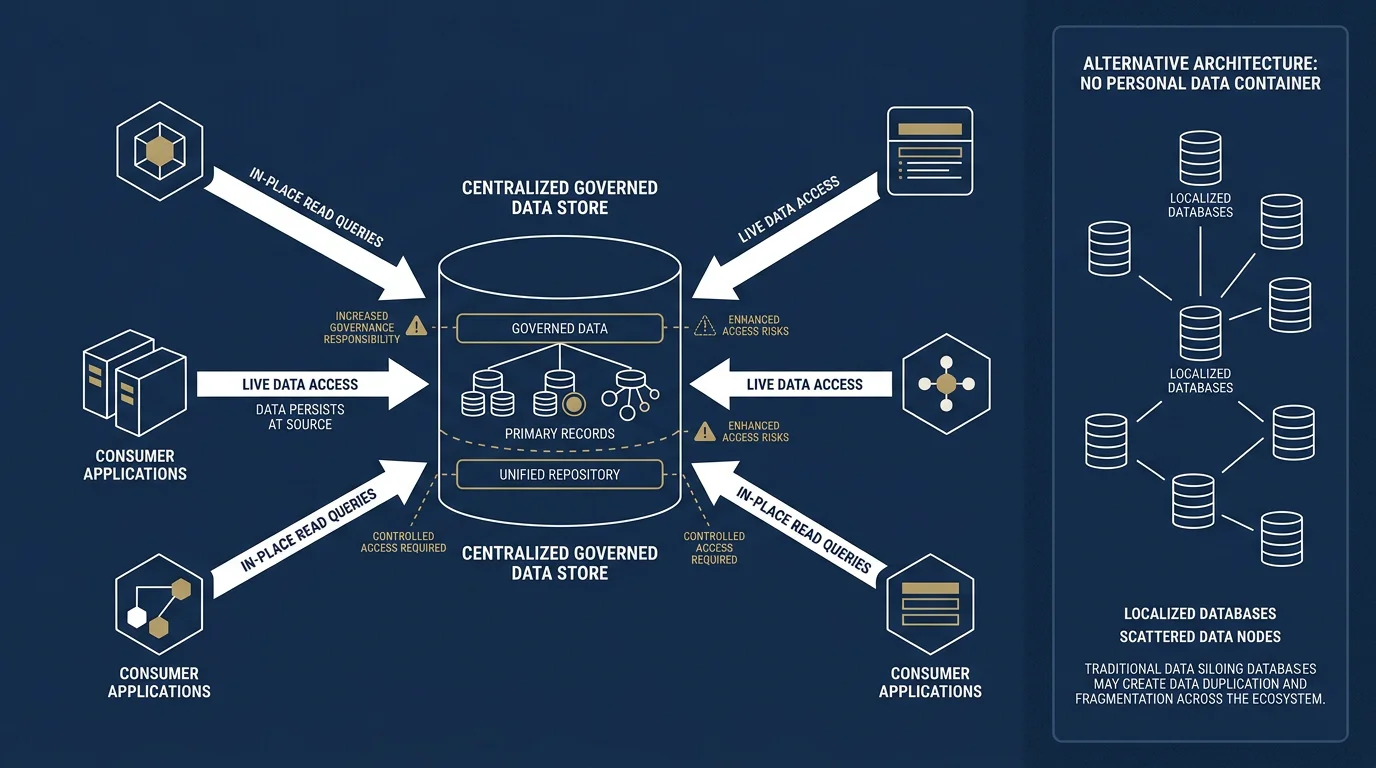
Skeptics also caution that a pure "single copy" vision breaks against physics and organizational reality. Different purposes require different data structures, history must be retained separately from live state, and federated joins across large distributed sets face latency limits. Zero-copy is best treated as a complement to existing architecture, not a replacement for it. This aligns with the broader zero-trust shift: Gartner's 2026 research found that sixty-three percent of security leaders had fully or partially implemented zero-trust, yet mature, measurable programs remain rare. Adoption of an access pattern does not equal protection.
The strategic limitation is the one architects most often miss. No amount of zero-copy efficiency reduces the liability of holding personal data. That is the gap a data-minimization architecture is designed to close.
Implementation guidance for architects and security leaders
Begin by separating your objectives. If the problem is duplicated pipelines, storage cost, or stale segments, zero-copy sharing is the right tool. Map which consumers genuinely need live access, apply row-level and column-level controls at the source, and preserve lineage so that one access pattern does not become an ungoverned back door.
If the problem is exposure, ask a different question: does this system need personal data at all? For each data flow, challenge the assumption that personal information must exist somewhere. Where it does not, design it out. Our Sovereign AI explainer details how structural data control changes the risk calculus for next-generation systems, and clarifies distinctions from adjacent concepts such as zero-party data, zero data retention, and zero-knowledge proofs.
In practice, the two disciplines coexist. Use zero-copy to make the data you must hold efficient and governed. Use a data-minimization architecture to shrink how much personal data you must hold in the first place. Efficiency and minimization reinforce one another only when you keep their goals distinct.
Bringing performance and privacy into focus
The lesson is simple to state and easy to forget. Avoiding the duplication of data makes systems faster and cheaper, but it does not make them private. Zero-copy is an engineering optimization; it leaves your personal-data footprint intact. Reducing that footprint requires a structural decision about whether personal data must exist at all. Treat performance and exposure as separate design axes, pursue both deliberately, and never let one masquerade as the other.
Take action with Zero Data Protocol
If you have concluded that faster access alone does not reduce your exposure, the next step is architectural. The most reliable way to limit what a breach can reveal is to hold less personal data by design, not to move it more efficiently.
We built Zero Data Protocol as a protocol-level architecture that removes the need to collect, store, or exploit personal data through Zero Collection, Zero Retention, and Zero Exploitation. To explore how structural data minimization can reduce risk across your AI, cloud, and cybersecurity infrastructure, discover our zero-data architecture and how absence of data becomes a designed feature.
Frequently Asked Questions
Does zero-copy data mean my systems store less personal data?
No. Zero-copy reduces how often data is duplicated during transfer or sharing, not how much you collect or retain. The underlying data continues to live at its source and remains subject to the same obligations.
Is zero-copy the same as zero data retention?
They are unrelated concepts. Zero-copy avoids creating redundant copies while data still persists at its source. Zero data retention concerns whether data is stored at all, which is a data-minimization question rather than a performance one.
What problem does Zero Data Protocol actually solve?
It removes the structural assumption that personal data must exist somewhere in a system. By eliminating collection, retention, and exploitation by default, our Zero Data Protocol reduces what any vulnerability could expose in the first place.
Can zero-copy and data minimization be used together?
Yes, and they complement each other. Use zero-copy to make the data you legitimately must hold efficient and governed. Use a minimization architecture to reduce how much personal data your systems depend on at all.
Why is zero-copy not a substitute for privacy engineering?
Because it optimizes movement, not exposure. Direct access to a single governed source can even intensify governance demands, since many consumers touch the same sensitive data. Privacy requires deciding what data should exist, which zero-copy does not address.