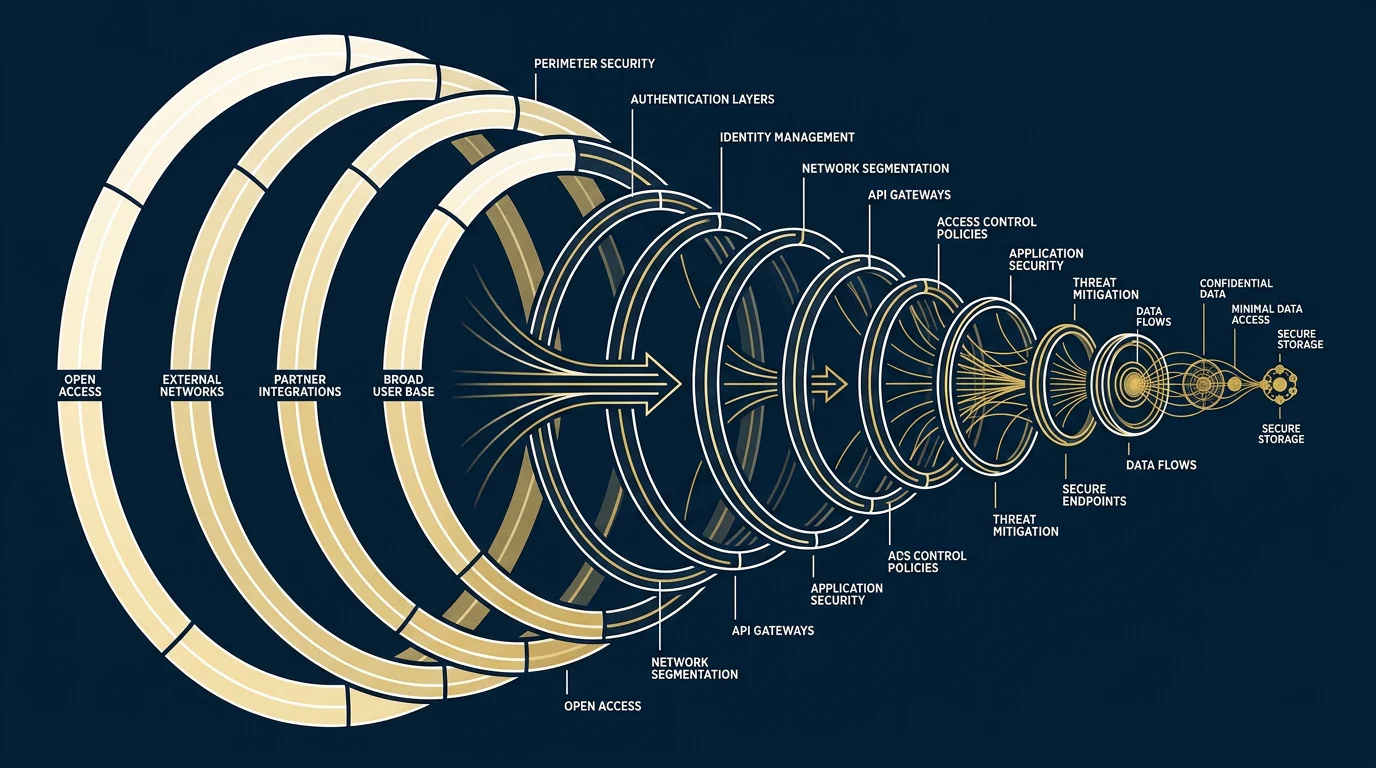
Beyond Zero Trust: From Least Privilege to Least Data
Zero Trust least data marks the shift from least privilege to minimizing the data you hold, cutting exposure, liability and retention risk.
Zero Trust least data marks the shift from least privilege to minimizing the data you hold, cutting exposure, liability and retention risk.
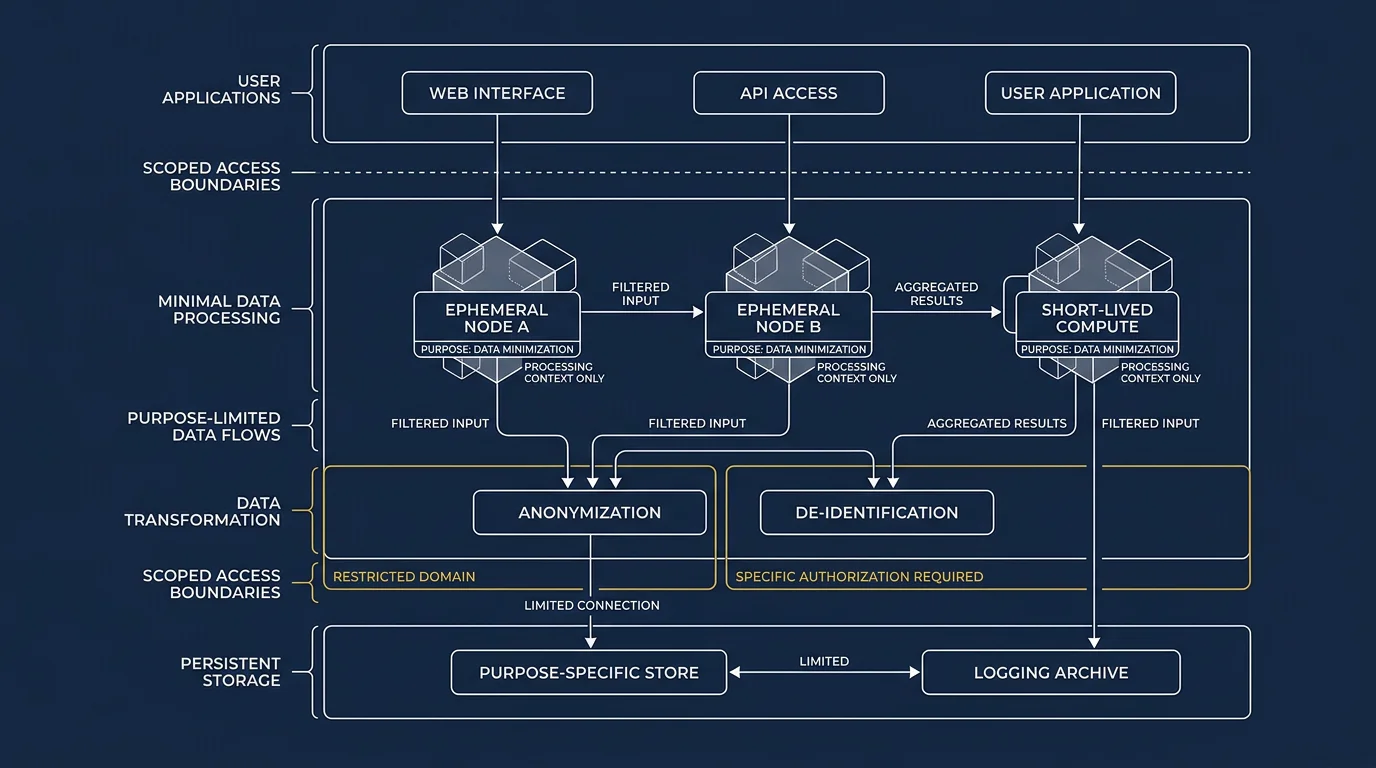
A technical guide to privacy engineering data minimization: turn purpose limitation, scoped access and retention limits into real system design.
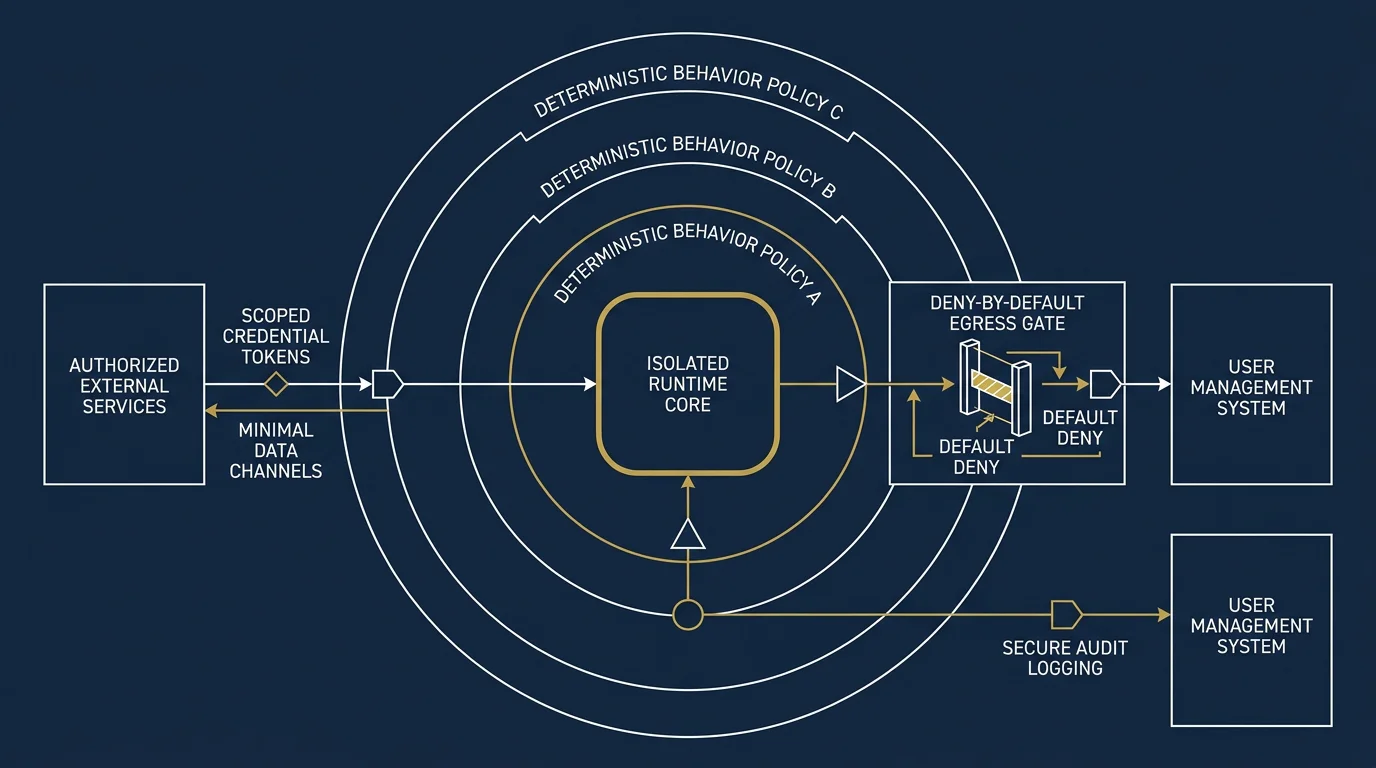
NVIDIA AI agent security relies on deterministic controls and least privilege. Learn why data minimization strengthens autonomous agent defenses.
Privacy by design guidelines explained: the seven principles, GDPR duties, data minimization, and how to embed privacy into systems in 2026.
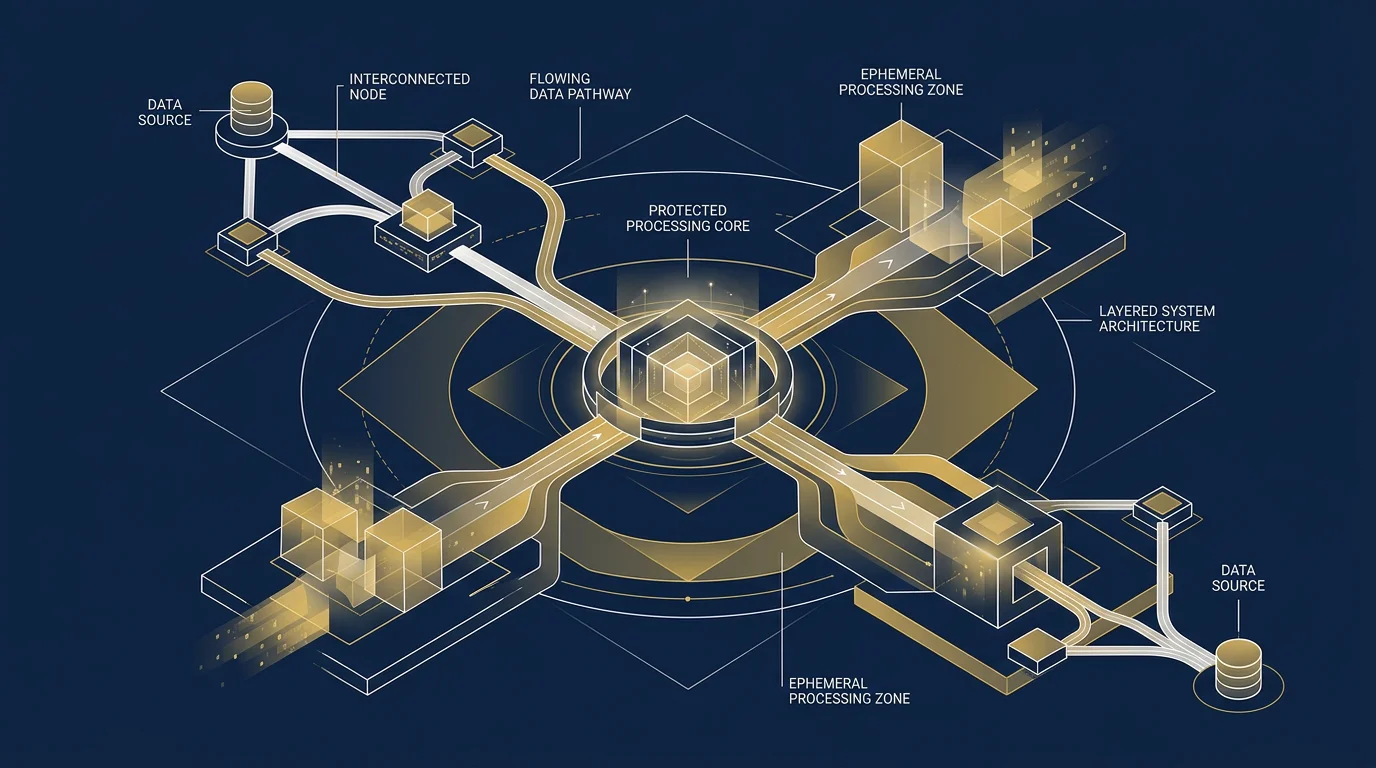
Understand AI supply chain risk in 2026: model poisoning, poisoned dependencies, breach costs, and data-minimisation strategies to reduce exposure.
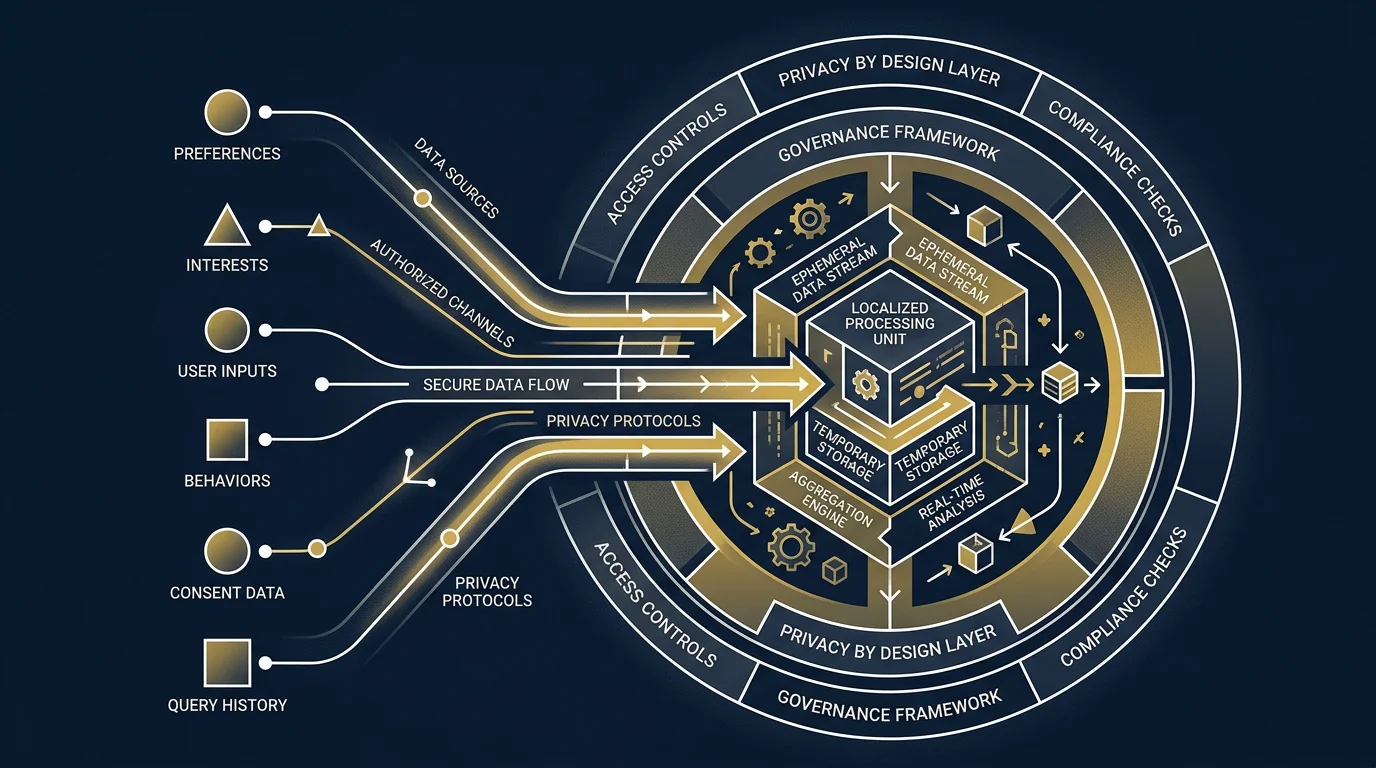
Zero-party data is information customers share willingly. Learn how it powers privacy-first personalization and lower data dependency in 2026.
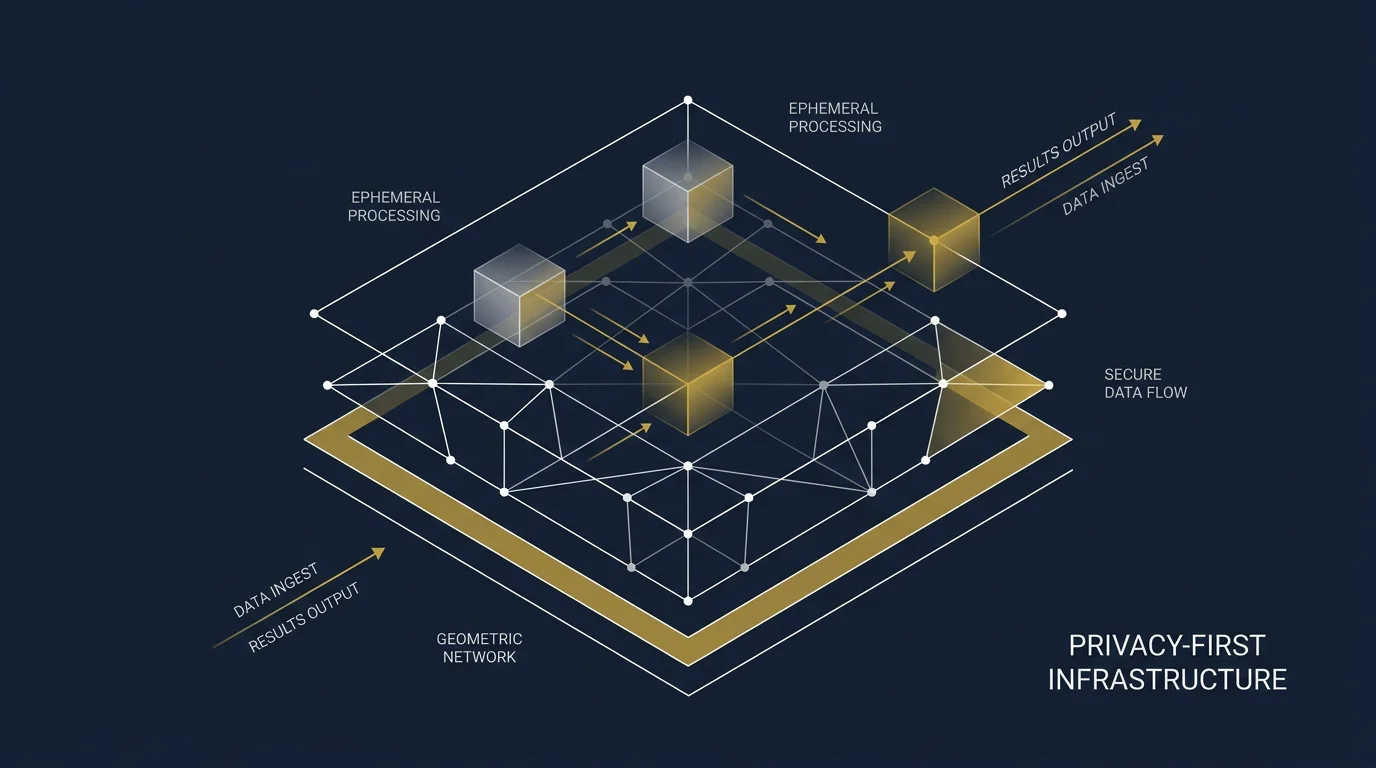
A 2026 guide to generative ai data privacy: leakage, profiling and retention risks, plus the structural controls enterprises use to cut exposure.
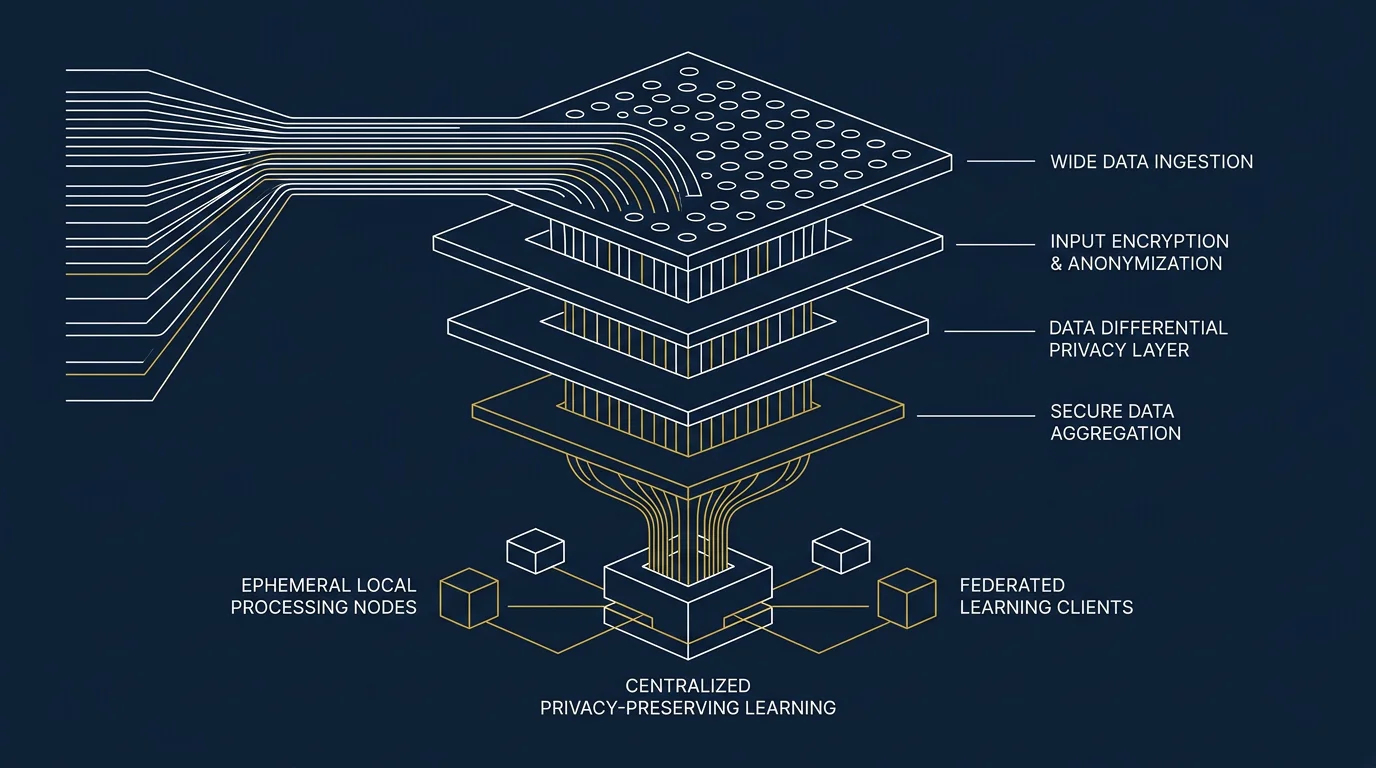
The privacy pitfalls of AI adoption expose firms to retention, profiling and third-party risk. Learn how to reduce exposure by design in 2026.
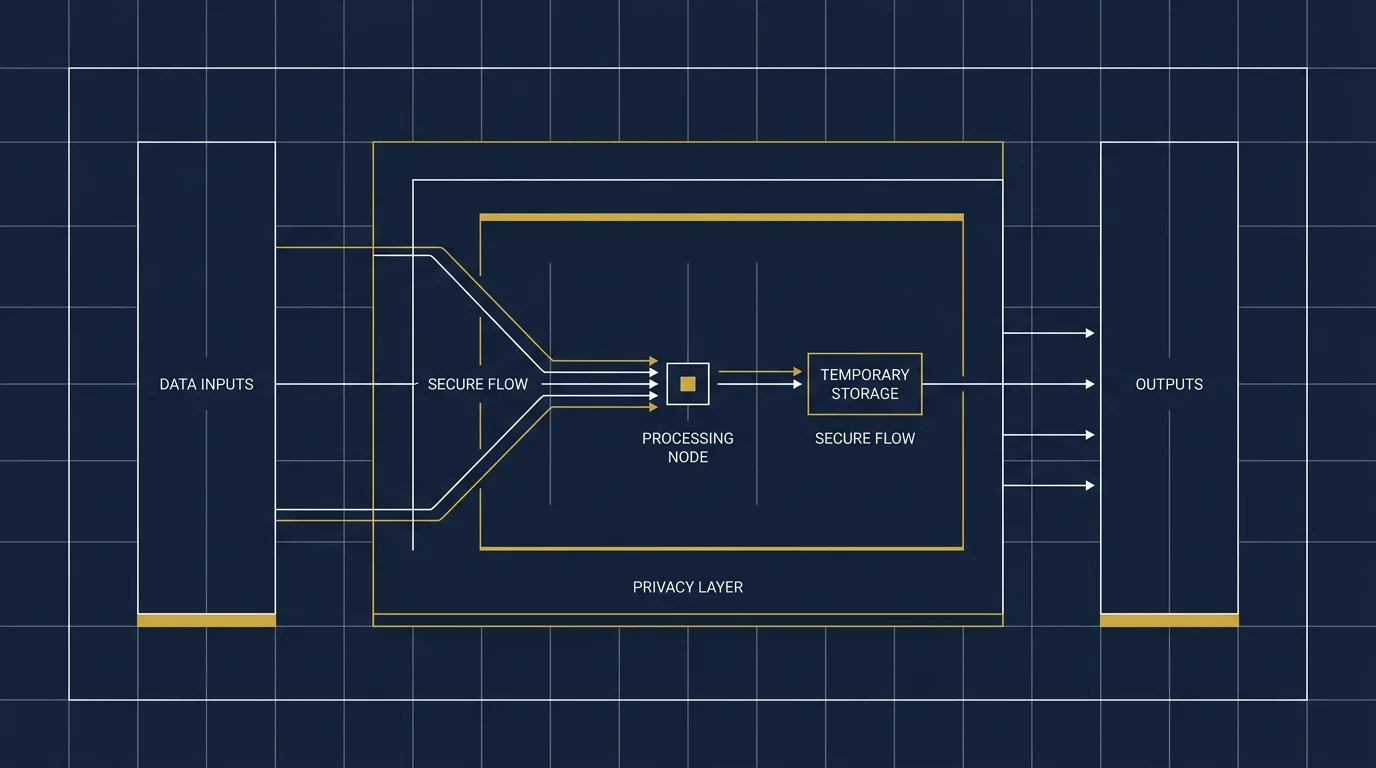
Learn how a large sensitive data footprint raises breach risk and cost, and how structural data minimization can limit long-term exposure.
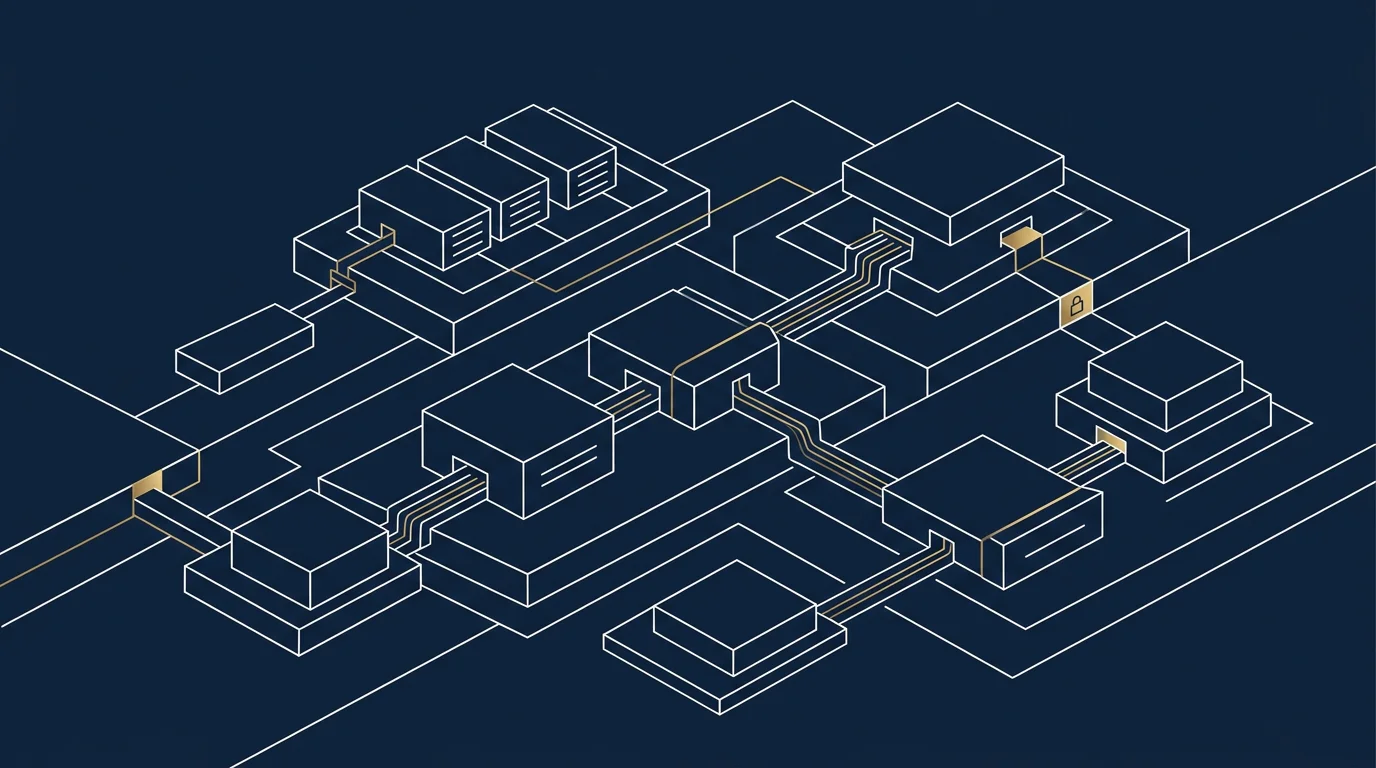
AI data protection reduces exposure by collecting, retaining and exploiting less personal data. Explore practical strategies, risks and governance steps.
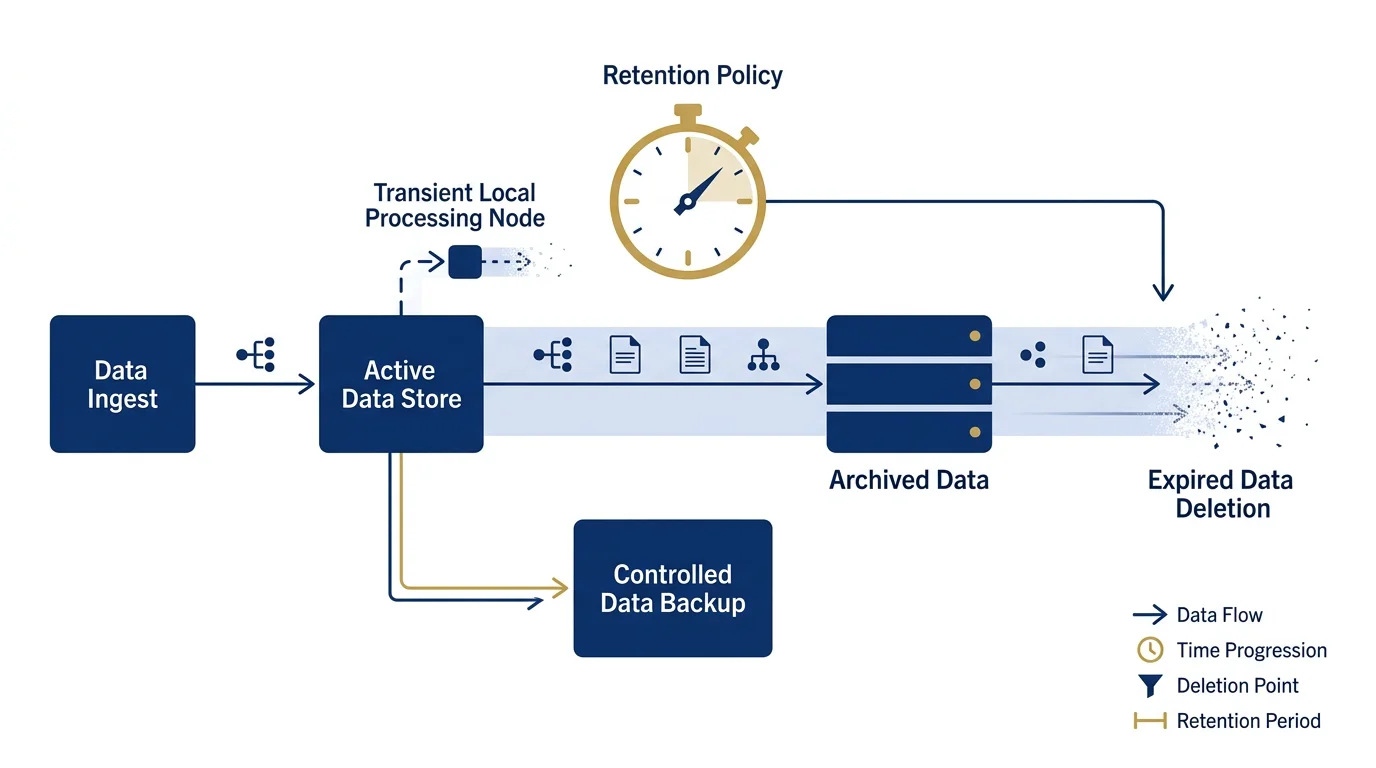
Build a data retention and deletion policy that limits exposure: retention schedules, legal holds, backups, derived data and verified deletion.
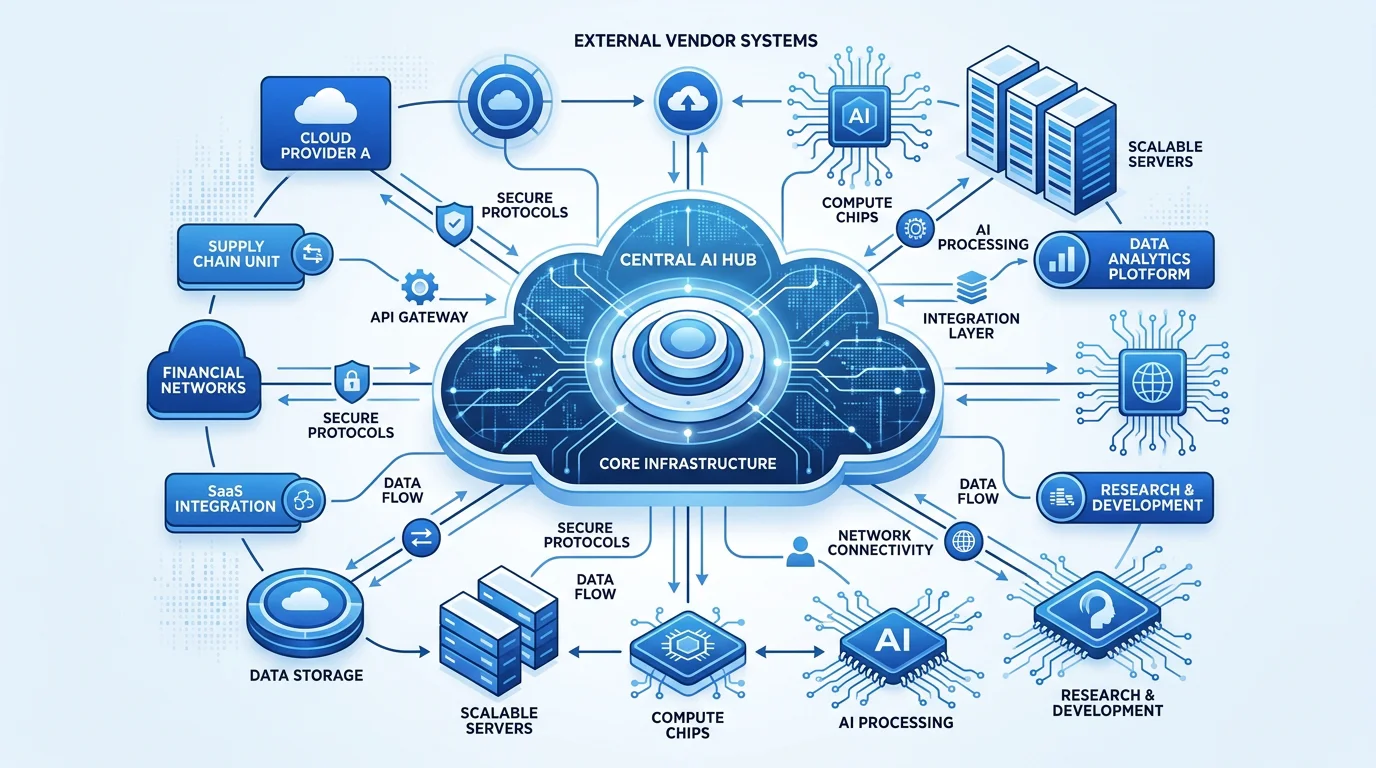
Third-party AI risk now drives most enterprise AI failures. Learn how vendor AI, shadow AI, and data dependency expand exposure in 2026.