
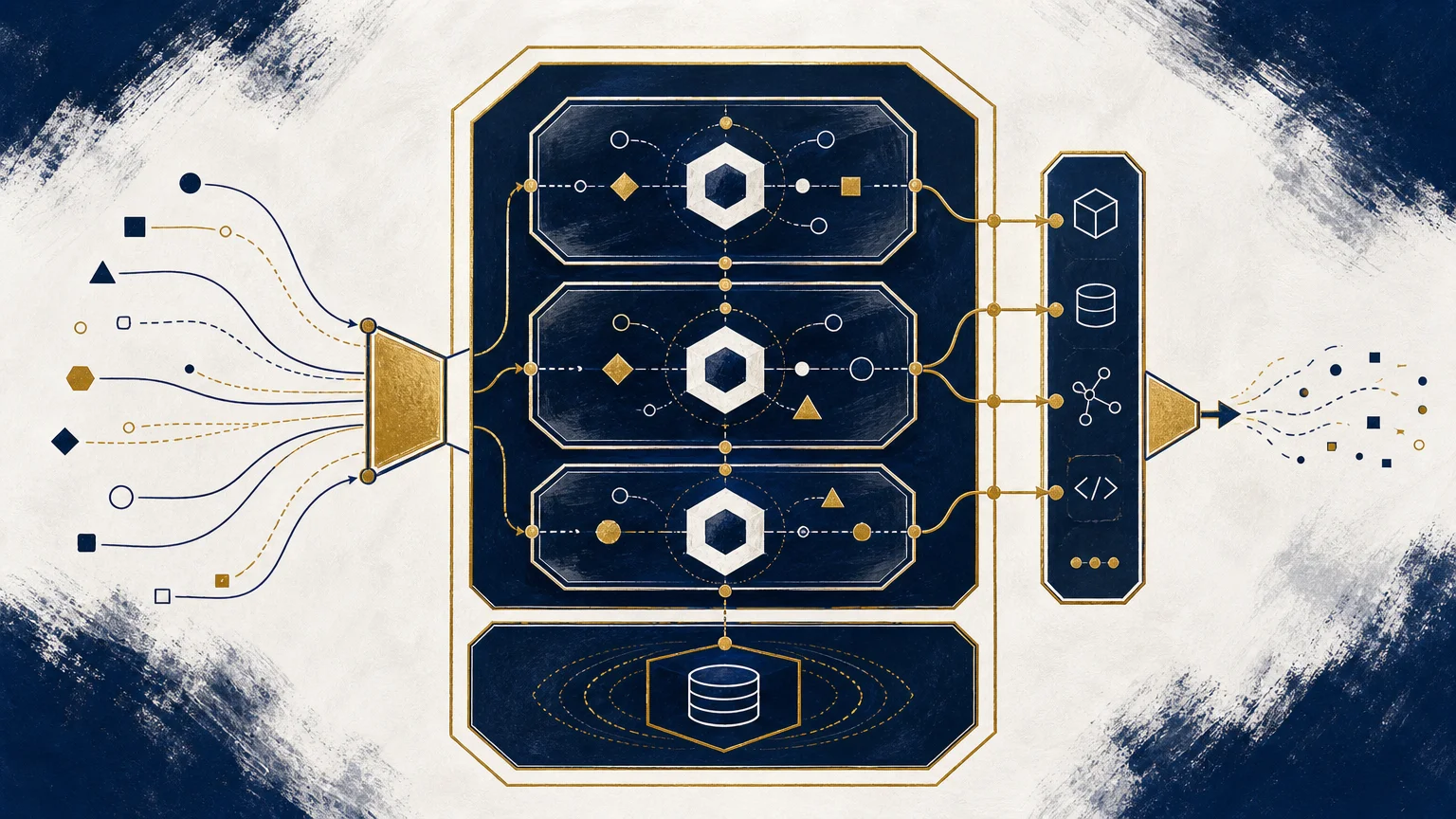
Privacy Architecture for AI Agents: A Practical Framework
Privacy architecture for AI agents: design data minimization, access controls, memory limits, auditability, and user choice for safer deployments.
Privacy architecture for AI agents: design data minimization, access controls, memory limits, auditability, and user choice for safer deployments.
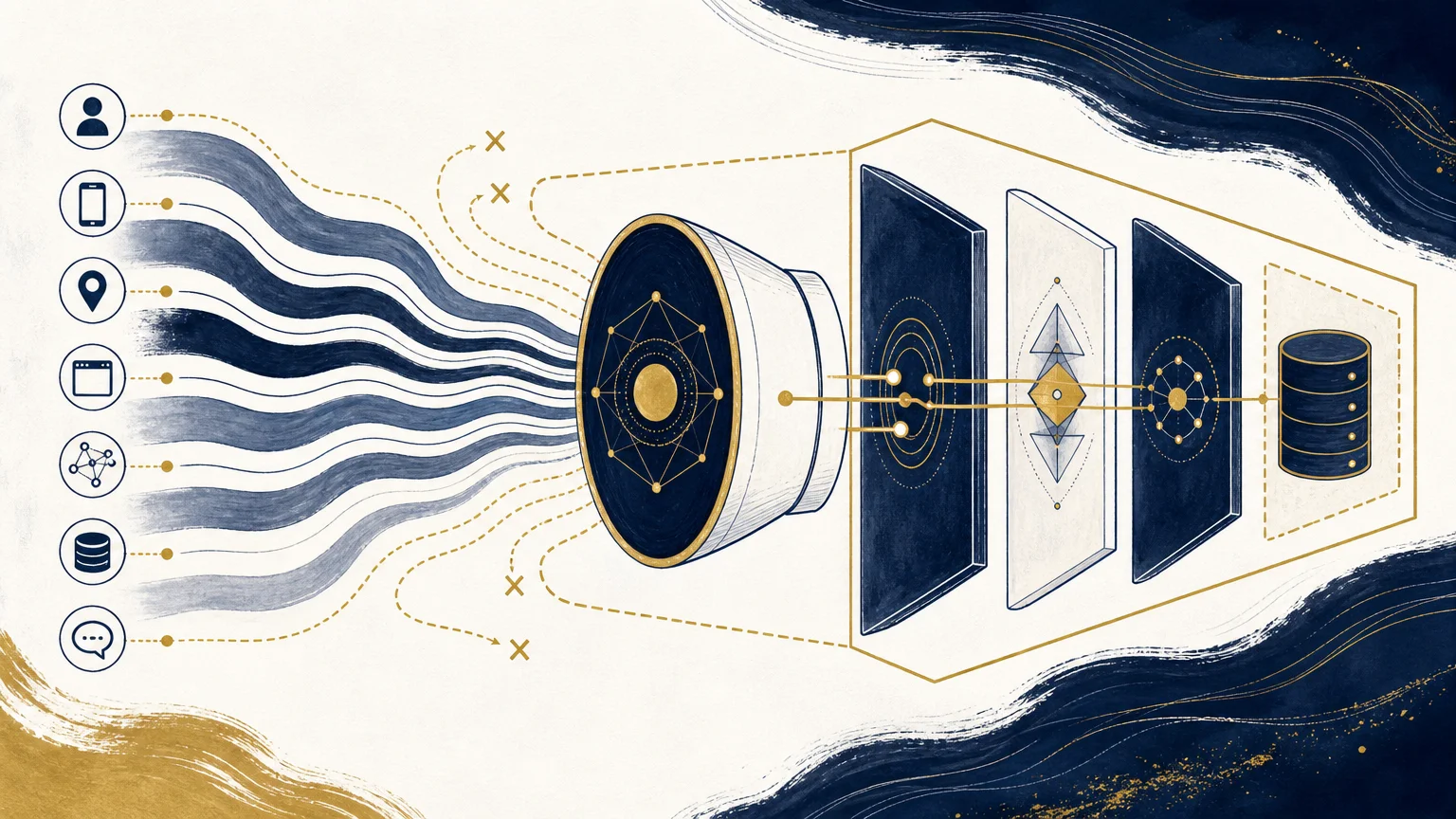
Learn what is zero retention cybersecurity, how it reduces persistent data exposure, what it does not cover, and how to assess the control.
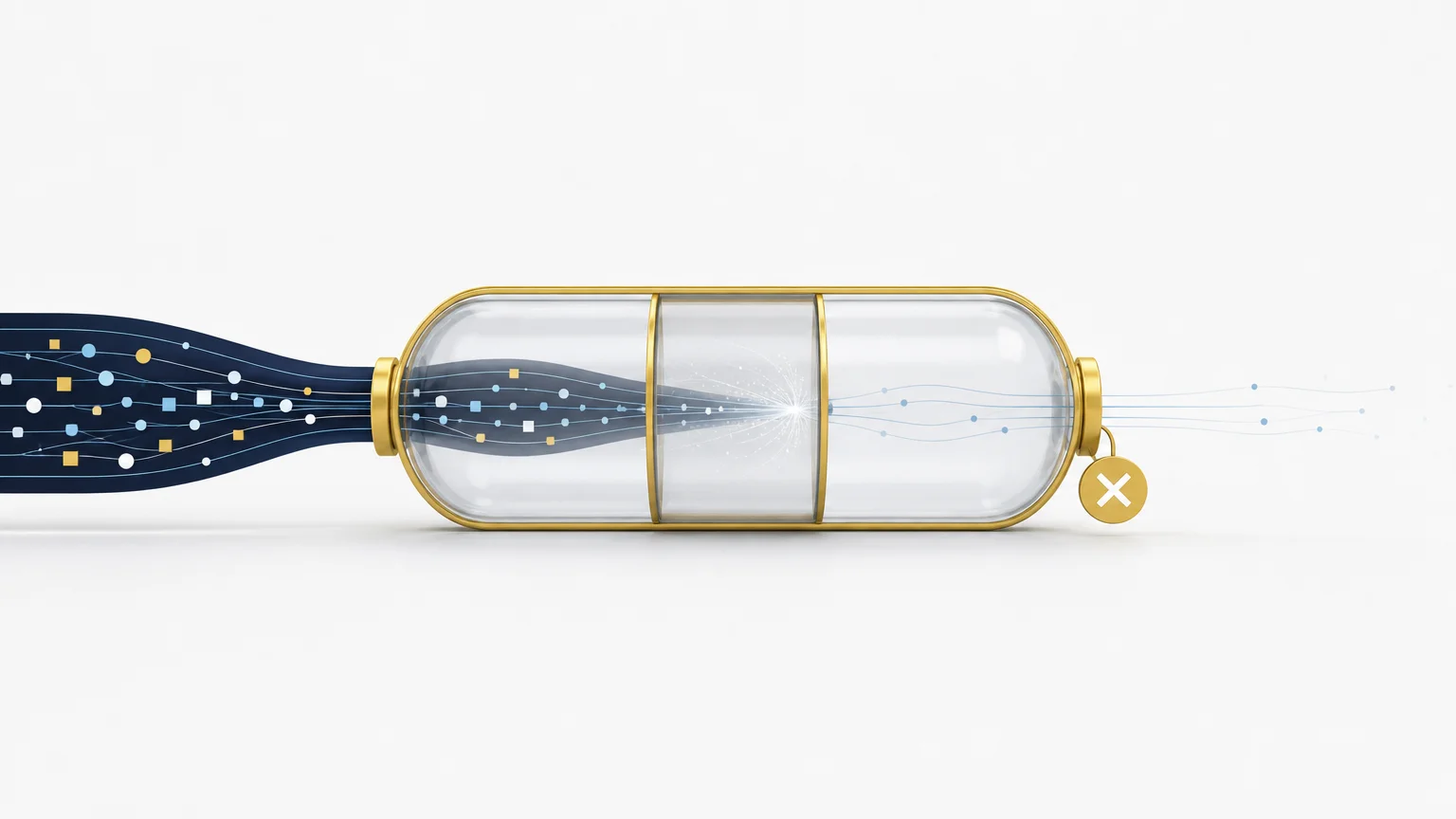
Learn how data retention policies balance legal duties, security, deletion, and privacy by design across modern digital systems.
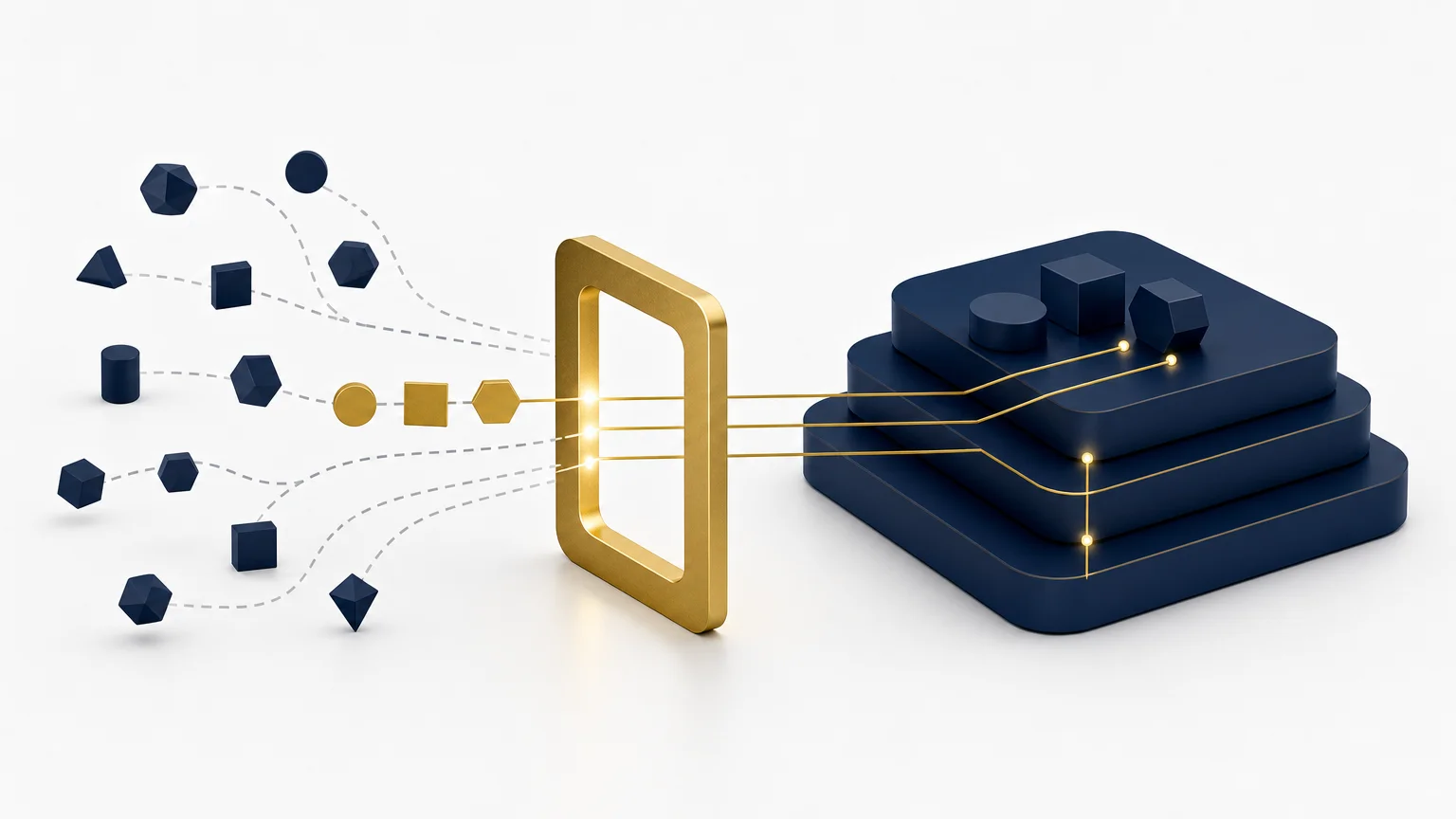
Data stewardship helps organizations improve data quality, privacy, security, lineage, and responsible AI use across the full data lifecycle.
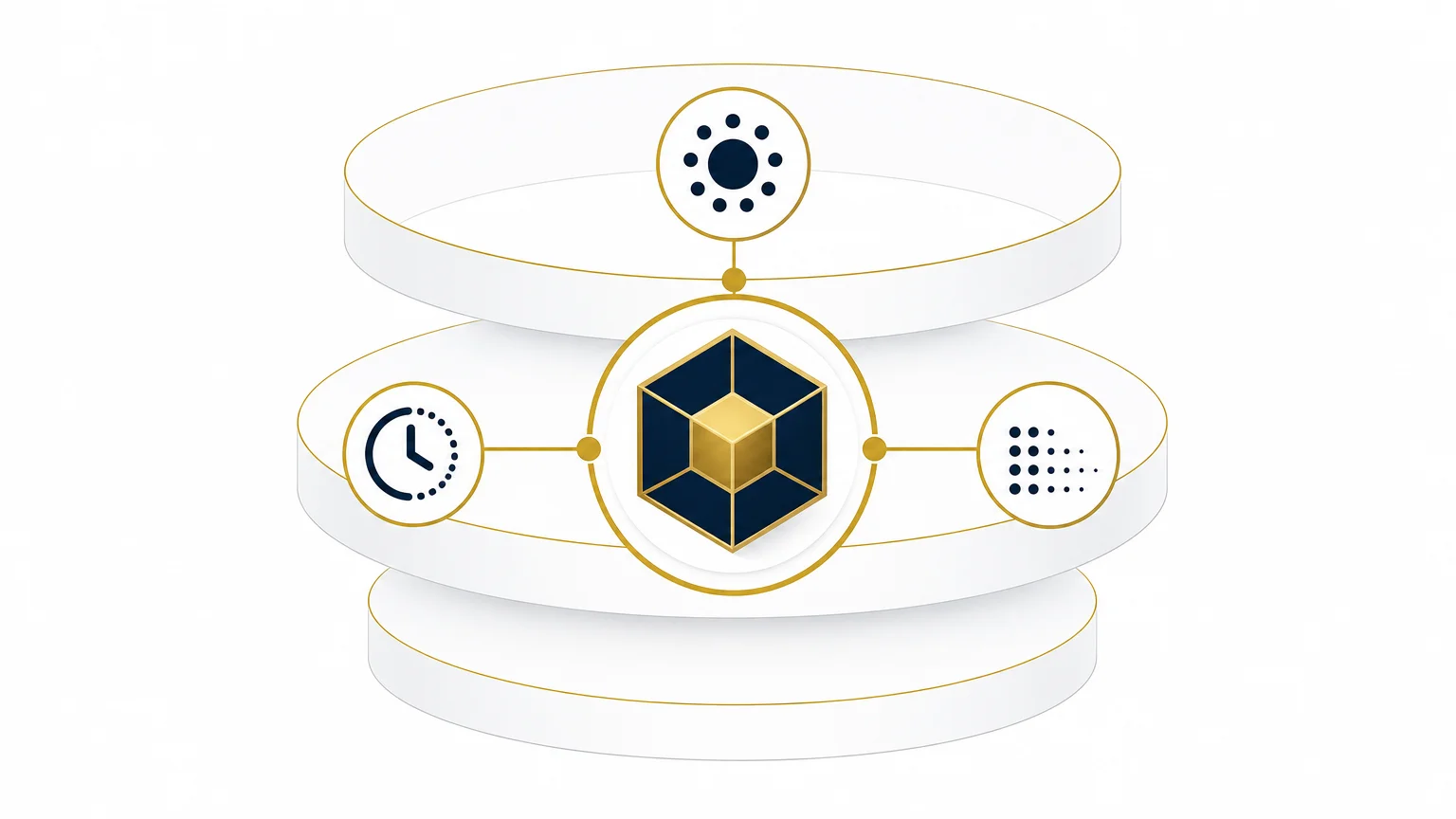
Learn how agentic AI privacy works, where autonomous systems expose data, and which architectural controls reduce unnecessary collection and retention.
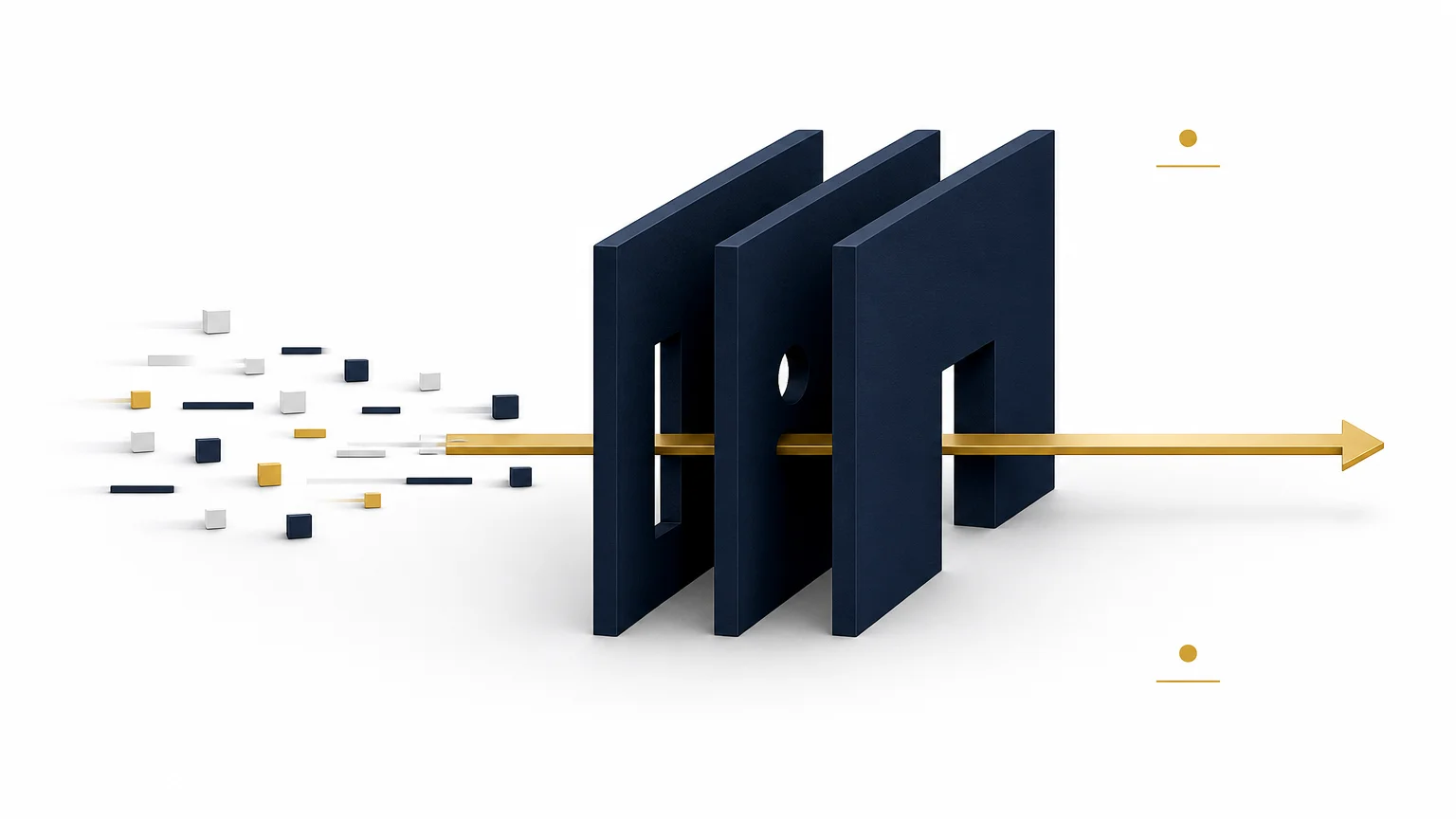
Learn how data protection by design embeds privacy into systems, reduces exposure, and supports accountable AI and secure data lifecycles.
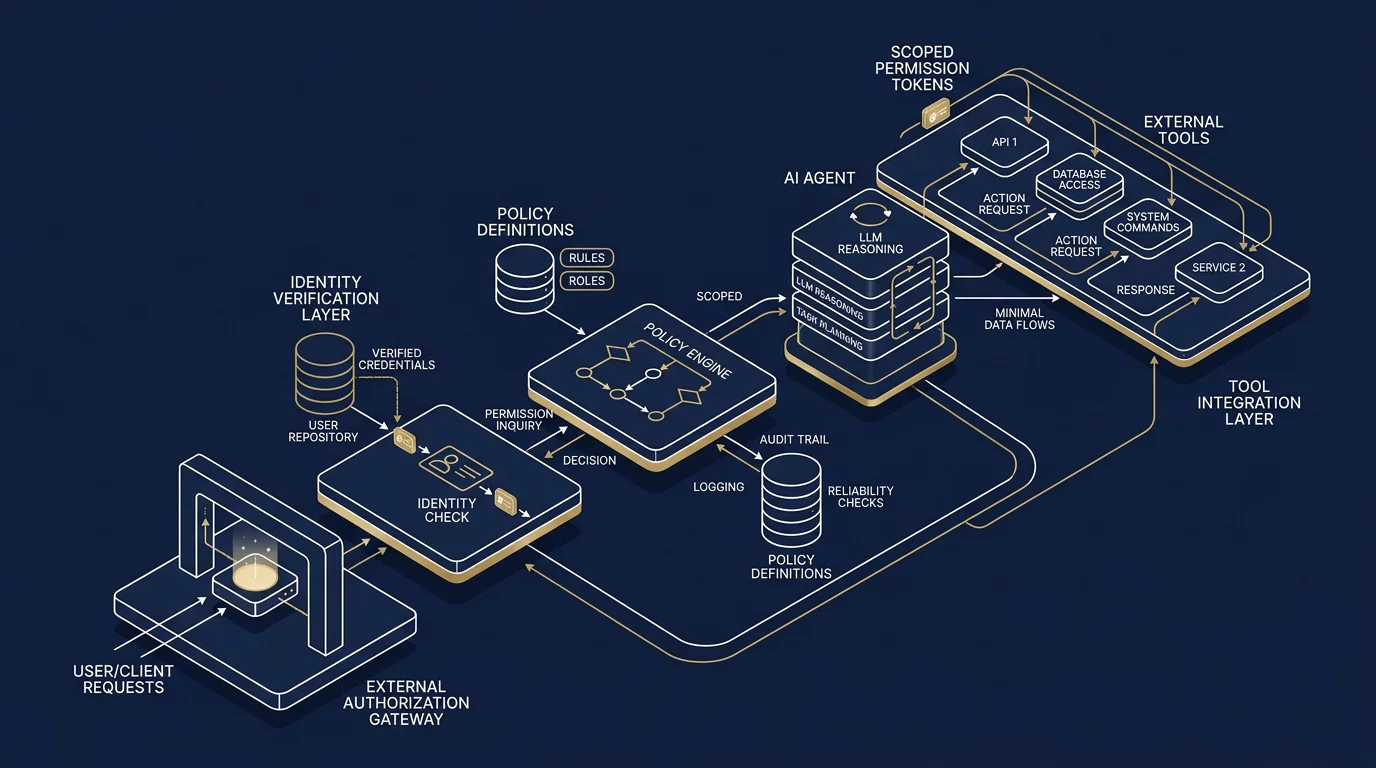
Cloudflare AI agent security goes beyond prompt guardrails to scoped permissions, sandbox boundaries and a least-data approach for enterprises.
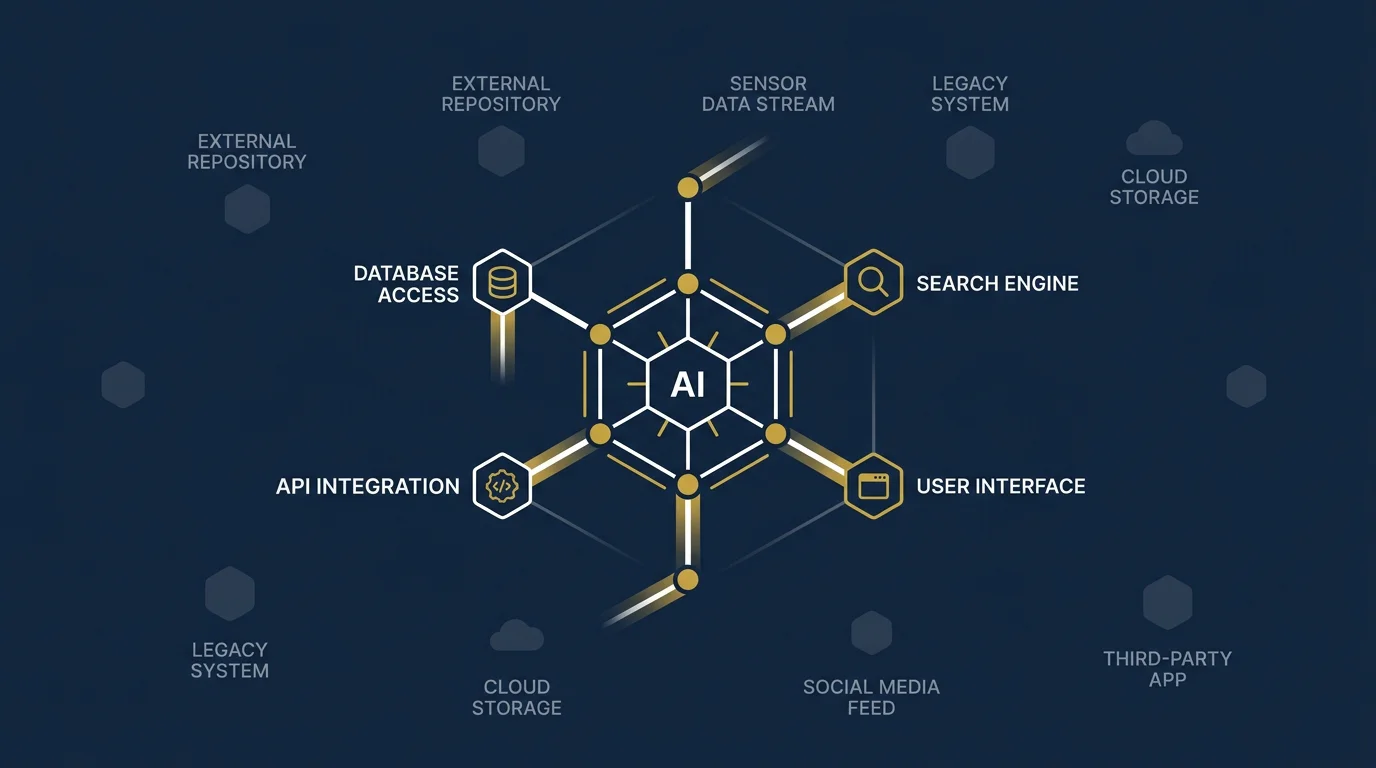
AI agent data minimization limits the context, tools and data each autonomous agent can reach, cutting exposure and retention risk across systems.
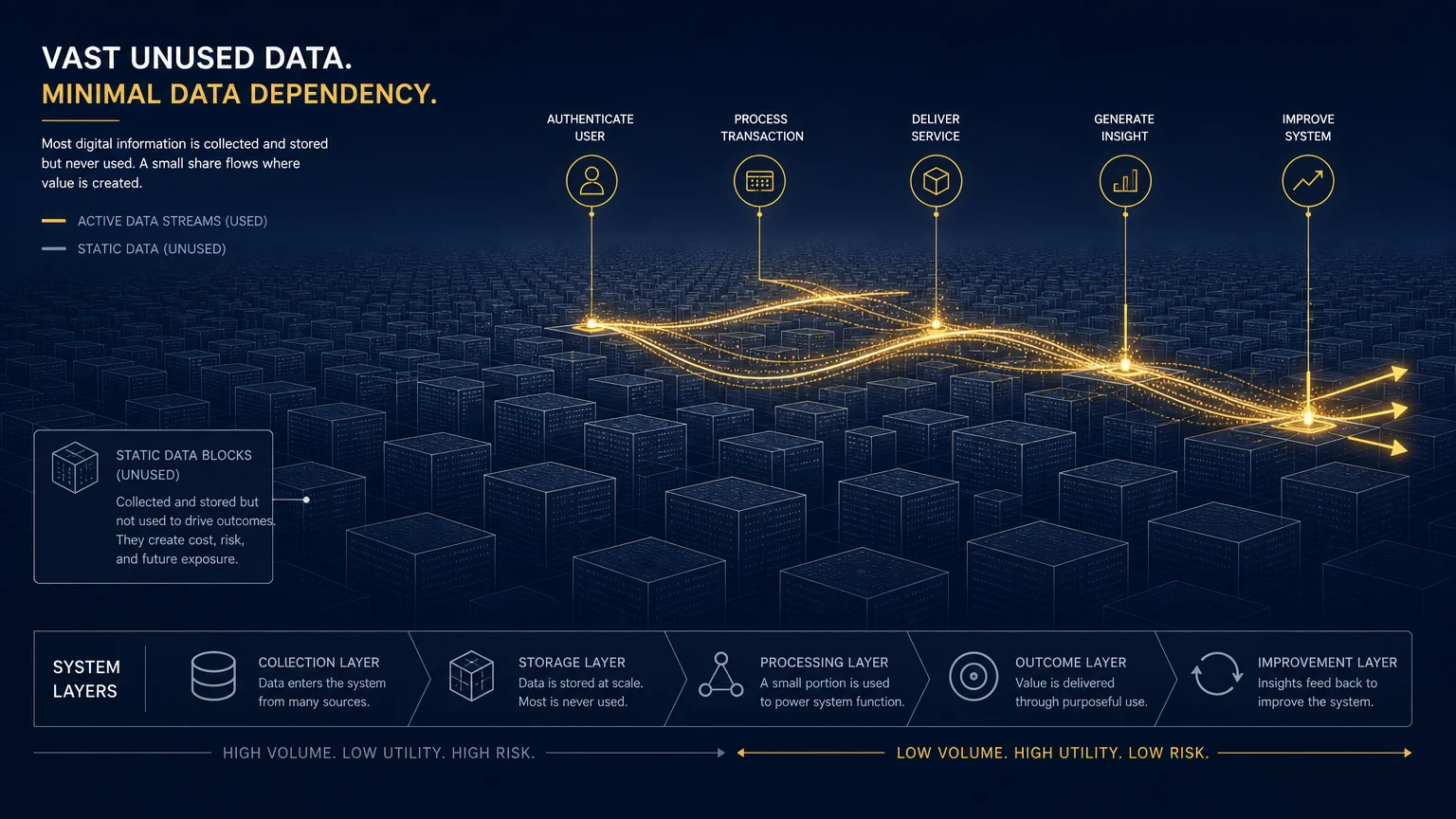
Data graveyards drain budgets and expand breach exposure. Learn why unused data accumulates, the risks it creates, and how to reduce it.
Adapt to the post-third-party-cookie world with first-party data, contextual targeting, consent, and privacy-first architecture that earns durable trust.
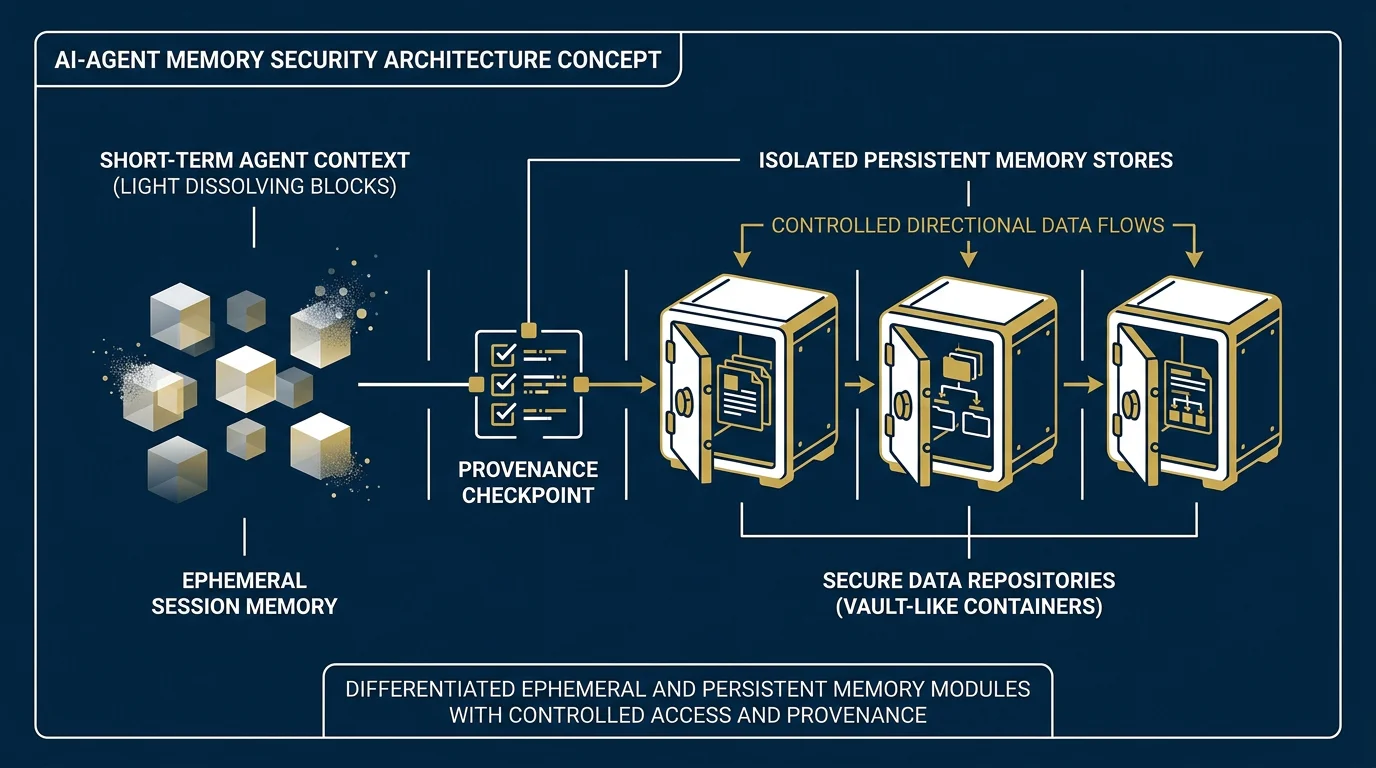
Microsoft AI agent memory security explained: reduce persistent state, memory poisoning, and retention risk with a least-data architecture approach.
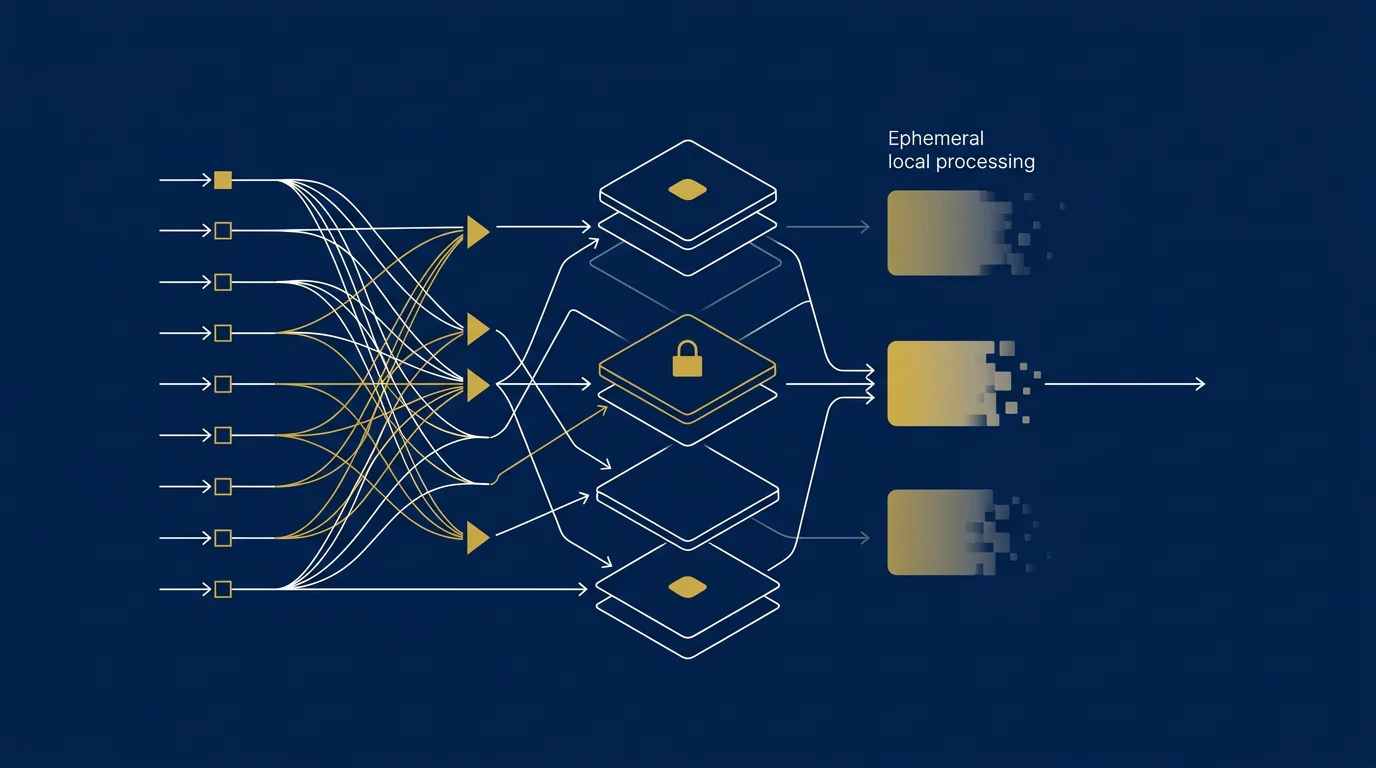
Understand the privacy pitfalls of genai, from data leakage to profiling, and learn practical safeguards to protect personal data in 2026.