
What should an AI agent be allowed to know, remember, and do? The answer cannot depend only on a privacy notice or a model instruction. It must be built into the surrounding system, from the first data entry point to the final tool action. Our privacy architecture for agentic AI treats these boundaries as structural decisions rather than optional settings.
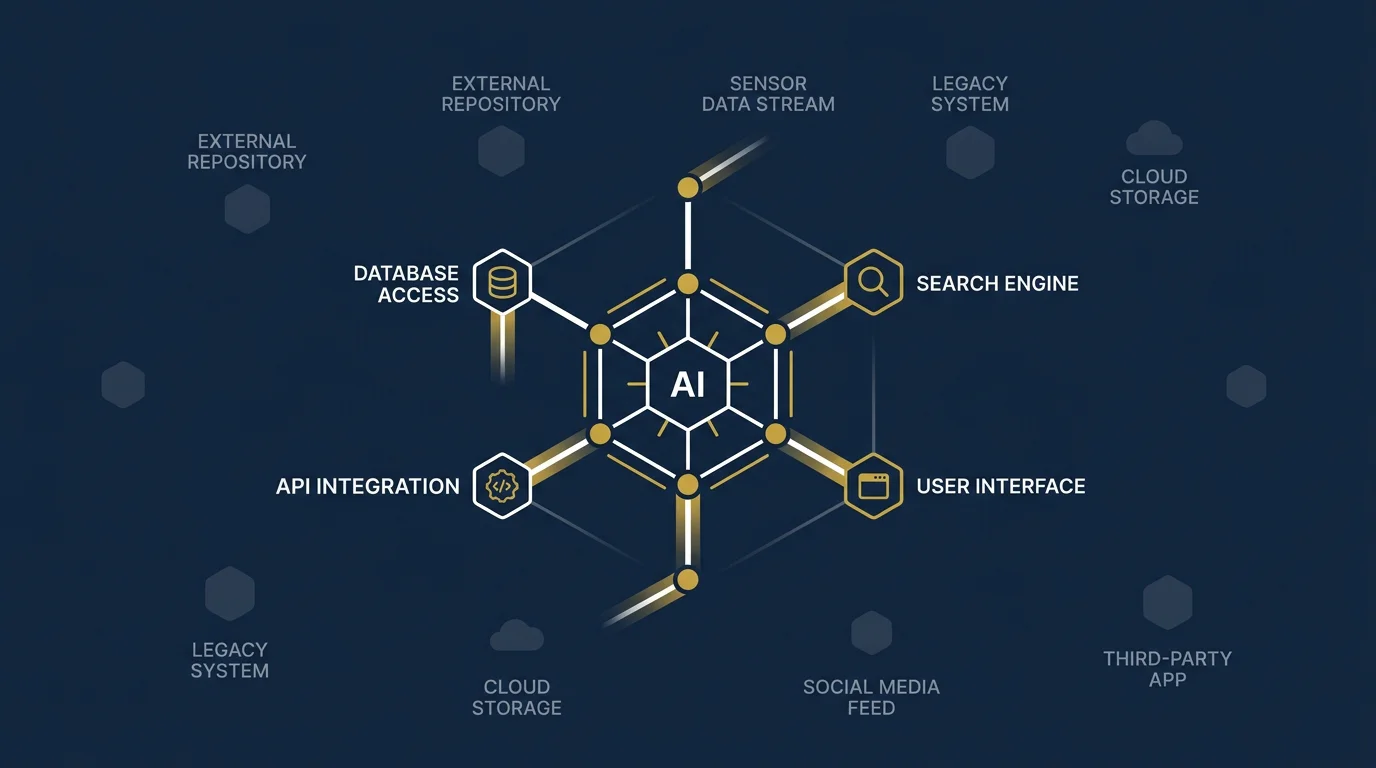
Agents combine reasoning, tools, memory, orchestration, and delegated access. That combination creates benefits, but it also allows information to move across systems before a person can review every step. A sound architecture therefore limits exposure before processing, during execution, and after a task ends.
Why AI agents need privacy architecture, not policy alone
A conventional application often follows a predictable path. A user submits information, the application processes it, and a defined response returns. An agent can take a different route. It may retrieve additional records, call an external service, create a summary, update a database, and store a memory for later use.
This means privacy risk depends on more than the model output. It also depends on which systems the agent can reach, which credentials it receives, what context it retrieves, and whether intermediate information persists. A useful architecture must therefore address the agent’s entire operating environment.
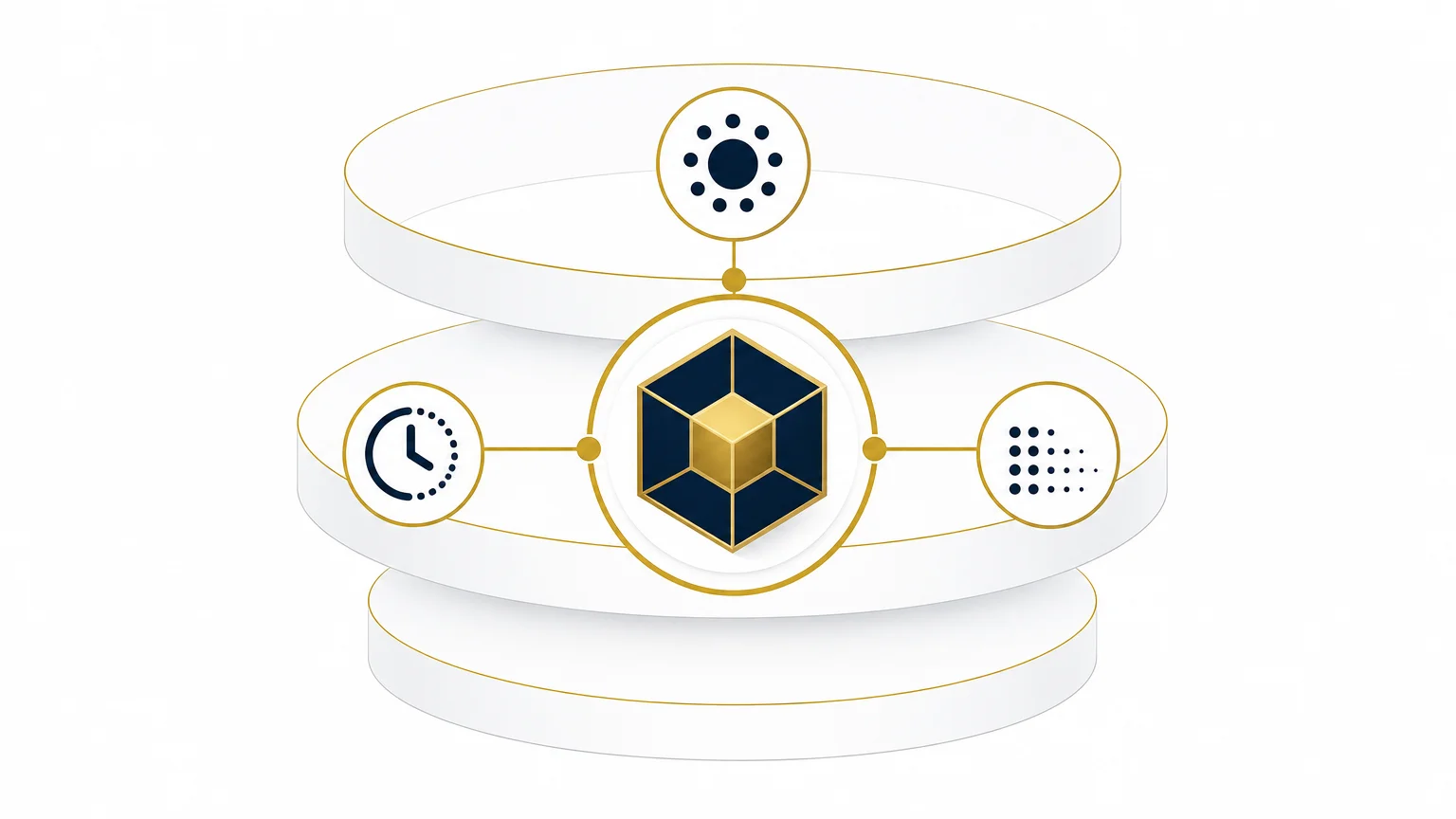
One proposed accountability model illustrates this principle through separate visibility tiers. In March 2026, a March 2026 IETF draft described public governance information, restricted accountability data, and private payload content as distinct layers. This is not an adopted standard, but it demonstrates an important design idea: different participants should receive only the information required for their role.
For organizations evaluating an agent, the first architectural questions should be concrete:
- What personal or sensitive information enters the system?
- Which agent, model, tool, or provider can access it?
- What information is copied into prompts, caches, logs, memories, or outputs?
- Which actions require user confirmation or human approval?
- Can the organization reconstruct the data path without retaining unnecessary content?
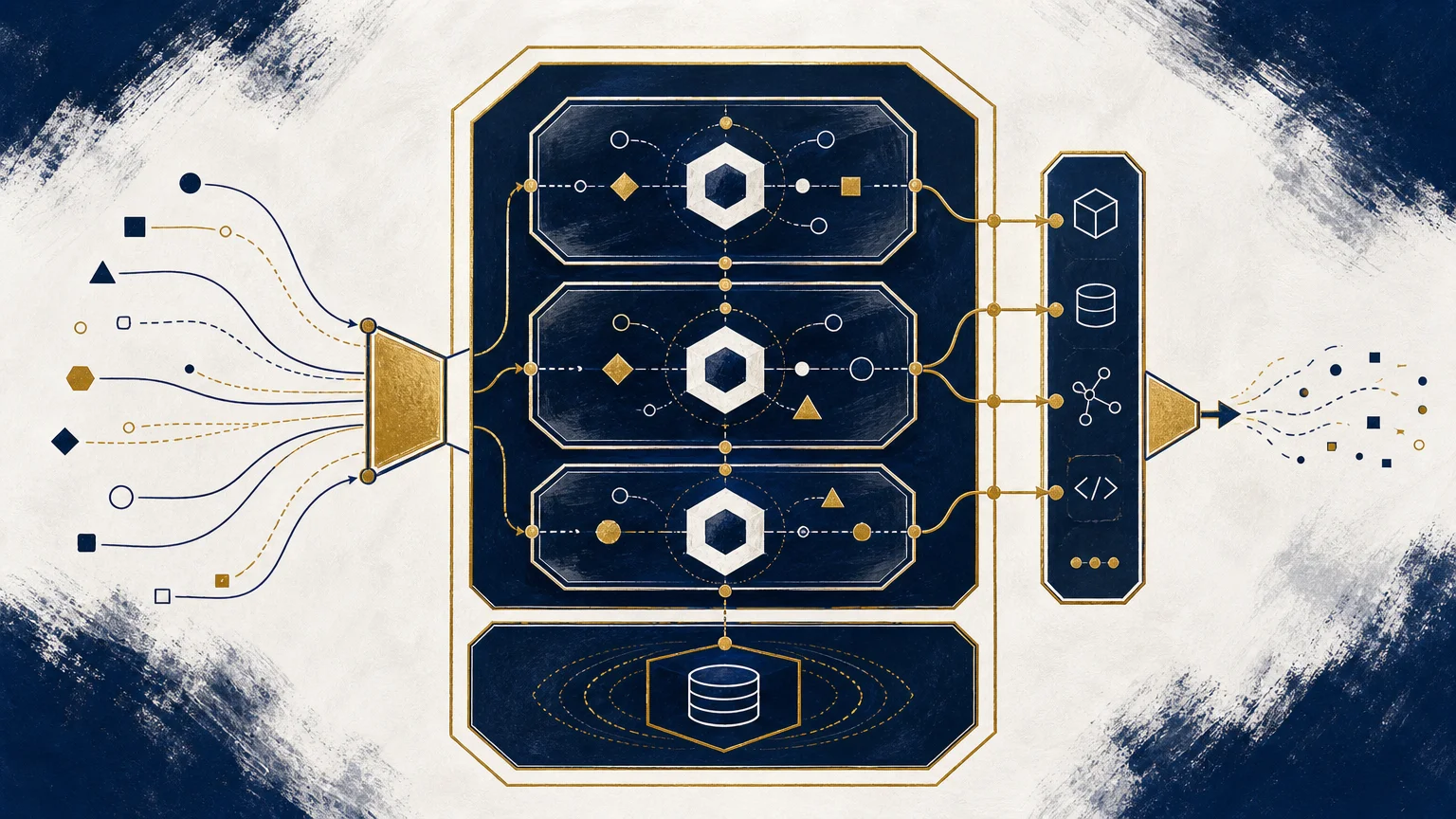
Privacy architecture is strongest when these answers are enforced by interfaces, permissions, data stores, network controls, and lifecycle rules. Model instructions remain useful, but they should not be the only boundary protecting personal information.
Start with necessity, then apply least data and least privilege
Suppose an agent is asked to schedule a meeting. It may need availability, time zone, and participant preferences. It probably does not need a complete archive of private messages, unrelated financial records, or every past location.
This distinction separates functional necessity from convenient accumulation. Before granting access, teams should identify the minimum information required for the task. They should then determine whether that information can be transformed, filtered, pseudonymized, or processed temporarily.
Our guidance on AI agent data minimization applies this logic across prompts, retrieval, memory, metadata, and outputs. The objective is not merely to protect a large data pool. It is to reduce the amount of information that enters the agent workflow in the first place.
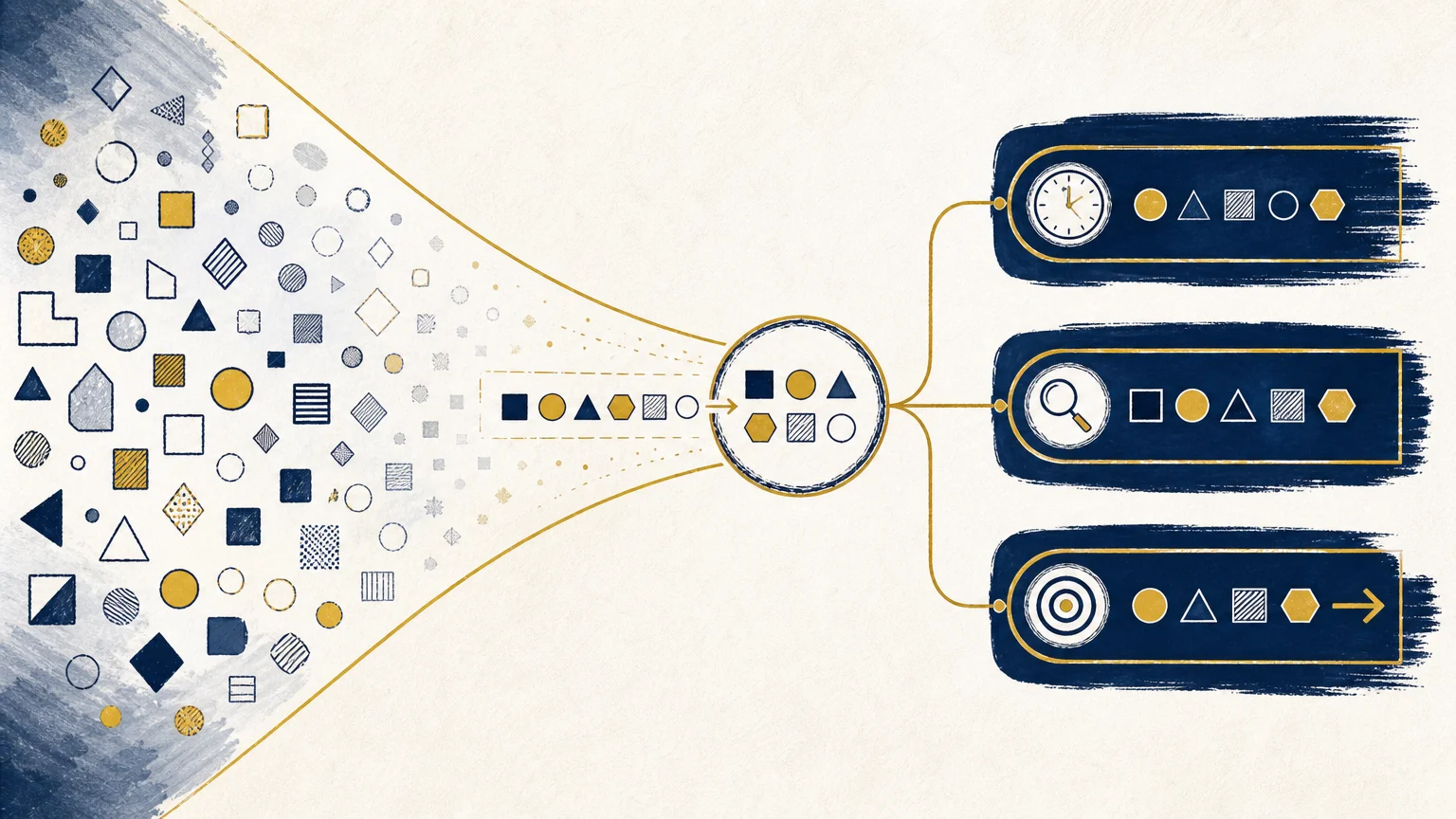
Least data and least privilege should work together, but they solve different problems. Least data limits what information exists in the workflow. Least privilege limits what the agent can reach. An agent with broad access may expose too much information, even when its initial prompt is minimal.
Practical controls include field-level filtering, purpose-specific retrieval, separate data domains, short-lived credentials, scoped APIs, and network boundaries. Teams should also prevent an agent from using a broad user identity when a narrower service identity would support the task.
These controls support the Zero Data Protocol approach. Our emerging independent framework is built on Zero Collection, Zero Retention, and Zero Exploitation. Together, they ask three different questions: does the information need to enter the system, does it need to remain there, and may it be reused for an unrelated purpose?
The human consequence is Human Freedom Choice. When identity or personal data is not functionally necessary, the user should retain the practical freedom not to provide it. This principle is relevant to anonymous access, pseudonymous use, consent, tracking, and privacy-preserving defaults. It does not mean every service can operate without identity.
Govern memory, metadata, and derived information as separate lifecycles
Memory is often presented as a single feature, but an agent may maintain several different information states. Temporary task context may last for minutes. Session memory may persist until a conversation ends. Persistent memory may remain across sessions. Derived memory may include classifications, summaries, embeddings, scores, decisions, or inferred preferences.
Each state requires its own purpose, access rule, retention period, and deletion method. A user may agree to a temporary task context without agreeing to persistent personalization. A support agent may need an issue summary, but not the full conversation indefinitely.
A 2026 research agenda on conversational AI privacy identified risks involving longitudinal records, external connectors, and unclear data access. Its proposed mechanisms included granular access control, audit logging, and machine-readable consent. The paper also acknowledged that decentralization alone cannot resolve every privacy problem.
A practical memory policy should answer the following questions:
- What information is placed into task context?
- What information may move into session or persistent memory?
- Who can retrieve each memory type?
- Can users inspect, correct, or delete memories?
- Are summaries, embeddings, classifications, and exports covered by deletion procedures?
- What happens to memory after a failed request, retry, timeout, or provider error?
Deletion must cover more than the primary database. Organizations should test queues, caches, backups, replicas, vector stores, monitoring systems, and incident-response copies. If deletion removes only the visible conversation while leaving derived records available, the lifecycle remains incomplete.
Our practical guide to data protection by design supports this broader view. Privacy should shape data structures and processing paths before deployment, rather than being added through a policy after the system is already dependent on persistent memory.
Constrain tools, identity, and delegated actions
An agent’s tool permissions define its practical authority. Reading a calendar is different from sending an invitation. Searching a knowledge base is different from changing a customer record. Preparing a payment is different from executing it.
Each tool should have a narrow purpose, explicit input constraints, and a defined approval path. Sensitive actions should use confirmation gates, transaction limits, separation of duties, or human review. The agent should not be able to convert a natural-language instruction into an unrestricted chain of actions.
Credential design matters equally. Shared administrator credentials make it difficult to establish responsibility and increase the consequences of prompt injection or compromised context. Better designs use scoped identities, short-lived tokens, restricted network routes, and separate credentials for reading, drafting, and execution.
Identity should also be proportionate to the task. If an agent only needs to answer a public question, forcing a persistent personal identity may create unnecessary exposure. If a financial transaction requires identity, the system should collect and retain only what that transaction requires.
This is where Human Freedom Choice becomes practical. It does not reject identity, authentication, or accountability. It asks whether those requirements are functionally necessary, and whether users can avoid unnecessary tracking when they are not.
Teams should also examine data movement between agents. A research agent may send a summary to an execution agent, but the summary can still reveal sensitive details. Purpose boundaries must therefore apply to agent-to-agent messages, retrieved documents, tool responses, and generated outputs.
Make auditability selective and test residual risk continuously
Auditability is essential, but retaining everything forever can create another privacy problem. An audit trail should record enough information to establish what happened, who or what initiated it, which tools were called, and whether an approval occurred. It should not automatically preserve every prompt, document, or sensitive output in full.
Useful audit records may include timestamps, agent identity, permission scope, tool name, action type, policy decision, approval status, data category, and a protected reference to the underlying event. Where content must be retained, teams should consider access restrictions, encryption, separation of duties, and defined expiration.
Our material on privacy engineering and data minimization connects auditability with lifecycle reduction. The goal is not to eliminate operational records indiscriminately. It is to avoid treating every diagnostic field, metadata element, and generated artifact as permanently necessary.
Testing should reflect real operating conditions. A privacy review that evaluates only a clean prompt will miss failures caused by hostile documents, poisoned memory, unexpected tool responses, provider routing, retries, and system misconfiguration.
A 2026 Cambridge study examined AI agents in payments and related regulatory concerns. Its relevance extends beyond payments because delegated actions create questions about authorization, accountability, data access, and human responsibility.
A production test program should cover:
- Prompt injection and malicious retrieved content.
- Attempts to access data outside the declared purpose.
- Memory contamination and cross-session leakage.
- Unexpected inference of health, financial, behavioral, or identity information.
- Unauthorized tool calls and privilege escalation.
- Deletion failures across storage, cache, backup, and derived-data layers.
- Provider changes, model updates, and connector behavior changes.
Residual risk remains even when these controls are implemented. Models can misinterpret context, users can approve harmful actions, providers can change processing terms, and connected systems can contain inaccurate or excessive information. Privacy architecture reduces dependency and exposure, but it does not create automatic compliance or guaranteed security.
Design privacy as an operating boundary
Privacy architecture for AI agents should begin before the model receives data. Define what is necessary, restrict access to the smallest useful scope, separate memory lifecycles, control delegated actions, and audit without creating permanent copies of everything. Then test the system under failure, abuse, and operational change. Zero Data Protocol adds a useful structural lens through Zero Collection, Zero Retention, Zero Exploitation, and Human Freedom Choice. It should be treated as an independent framework for evaluation, not as a regulation, certification, product, or universal answer.
Take action with Zero Data Protocol
If your organization is evaluating an AI agent, privacy decisions should be visible in the architecture, not hidden in assumptions about model behavior. A practical review can begin with the data entering the workflow, the identity attached to it, the memory created during execution, and the purposes permitted after the task ends.
Our architectural material helps you examine those questions through lower collection, shorter retention, narrower access, and clearer purpose boundaries. To explore how these principles can be applied to agent systems, review our zero-data architecture for AI agents content and compare the approach with your operational, security, and governance requirements.
Frequently Asked Questions
What is privacy architecture for AI agents?
It is the design of data flows, permissions, memory, identity, tool access, auditability, and deletion around an AI agent. The objective is to reduce unnecessary collection and exposure while preserving the controls required for useful and accountable operation.
How does data minimization apply to an AI agent?
Data minimization means giving the agent only the information needed for a defined task. It also requires limiting copied context, metadata, memory, outputs, and derived information when those elements are not necessary.
Should AI agents have persistent memory?
Persistent memory should be used only when continuity or another clear function requires it. Organizations should separate temporary context, session memory, persistent memory, and derived memory, then apply distinct access and deletion rules.
Can privacy controls prevent all AI-agent risks?
No. Privacy controls can reduce exposure and improve accountability, but they cannot remove model error, prompt injection, provider risk, inaccurate source data, or harmful user approvals. Continuous testing and human oversight remain necessary for higher-risk tasks.
How does Zero Data Protocol relate to AI-agent privacy?
Zero Data Protocol is an independent architectural framework built around Zero Collection, Zero Retention, and Zero Exploitation. Its Human Freedom Choice principle is relevant when identity or personal data is not functionally necessary, but the framework is not a regulation, certification, product, or guarantee.