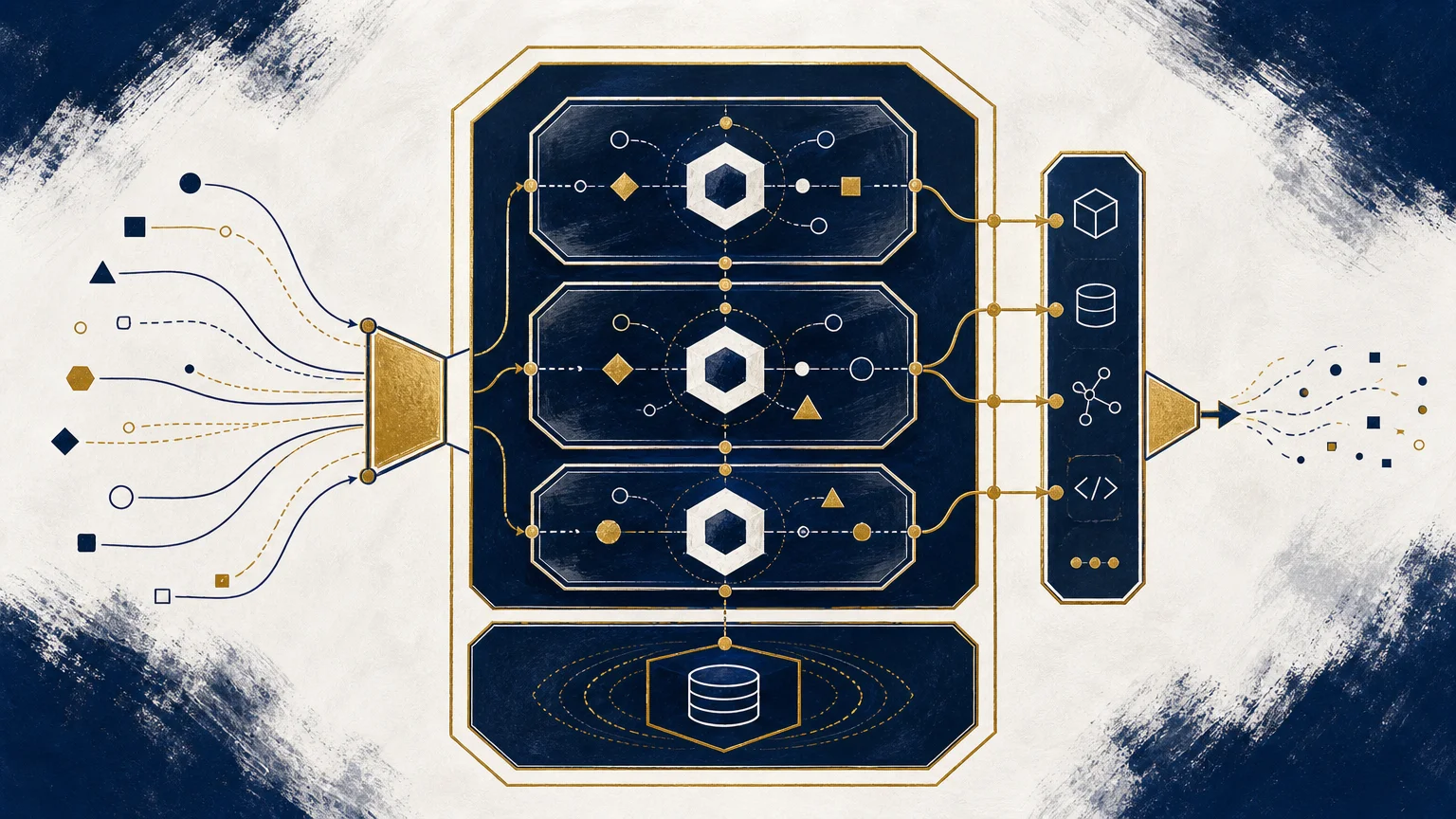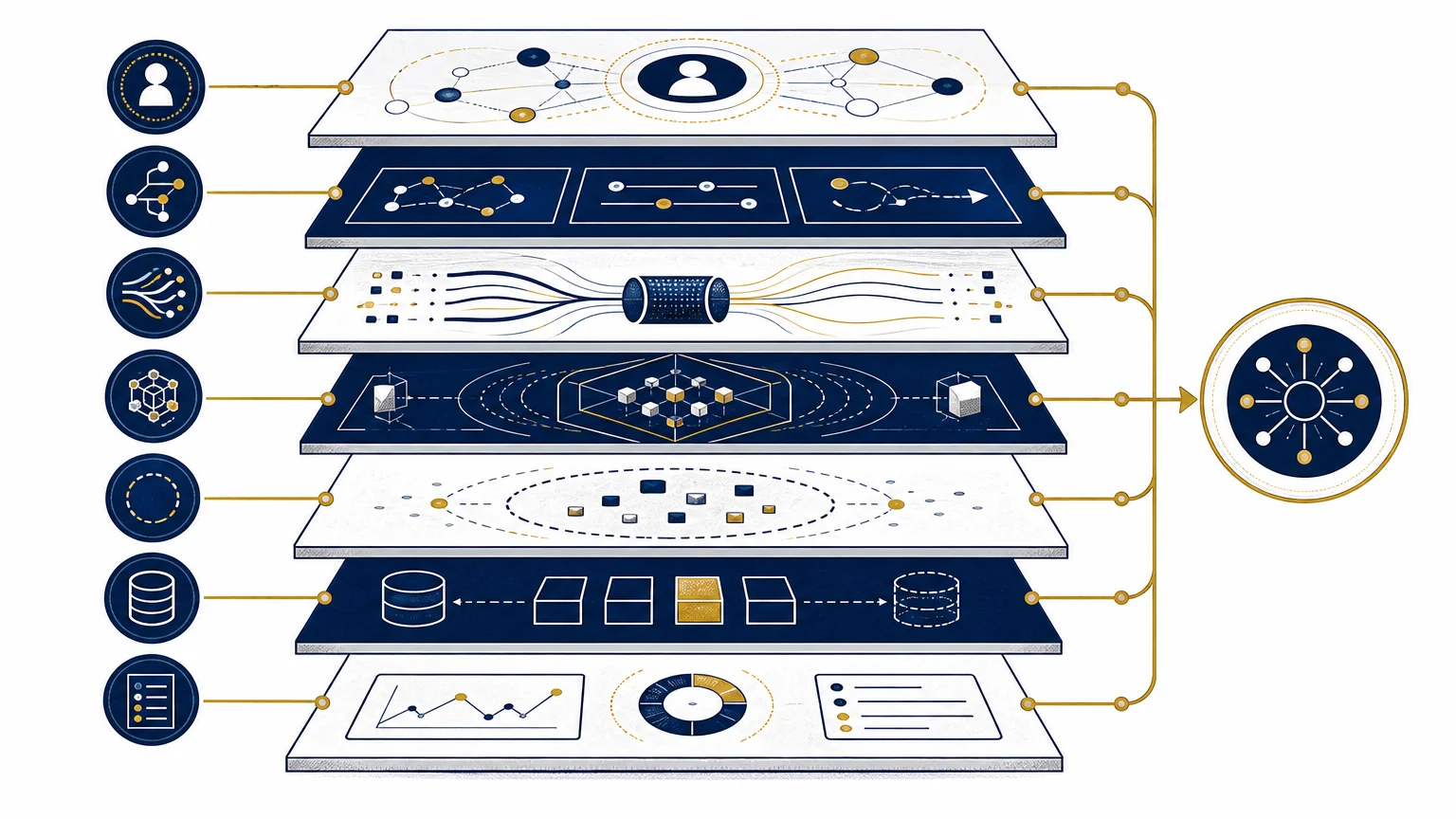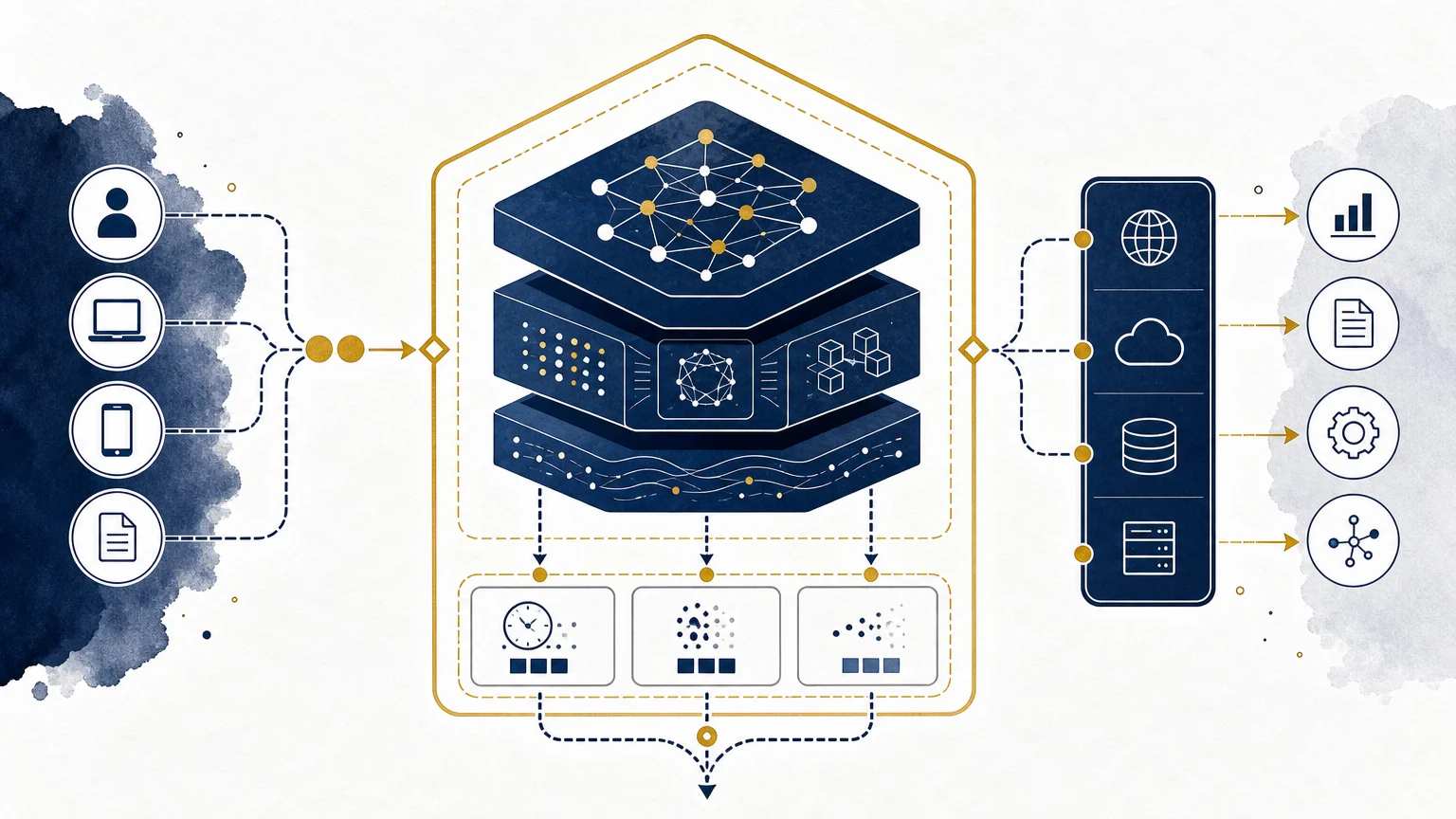

What should replace a conventional AI governance engagement when the real problem is architectural dependency on personal data? The answer depends on whether the priority is a privacy framework, governance advisory, privacy engineering, or hands-on implementation. Our privacy architecture for AI agents approach starts with that distinction, asking whether information needs to enter, persist within, or move through an AI system at all.
For organizations assessing Hatfield Lange alternatives for privacy architecture, the useful comparison is broader than policy drafting. It includes data minimization, retention, identity dependency, connected systems, derived information, memory, provider routing, and externally enforced controls. The voluntary NIST AI Risk Management Framework similarly treats AI risk management as a lifecycle activity involving governance, mapping, measurement, and management.
Shortlist at a glance
The shortlist below is ordered by fit for privacy architecture and related AI governance needs. It is not an independent performance ranking, and the entries are not identical types of offering. Zero Data Protocol is an independent architectural framework, while the other entries are consulting or technology service providers.
| Rank | Option | Primary model | Strongest fit | Main limitation |
|---|---|---|---|---|
| 1 | Zero Data Protocol | Independent architectural framework | Reducing collection, retention, exploitation, and identity dependency | Not a consulting implementation package or managed service |
| 2 | Custodia Privacy | Privacy and AI governance advisory | Privacy by design, AI system mapping, governance, and preparedness | Specific delivery model and geographic coverage require confirmation |
| 3 | DataConsultant | Data, AI, governance, and implementation services | Enterprise data governance, metadata, privacy, architecture, and delivery | Broad scope may require careful project definition |
| 4 | Kodexo Labs | AI engineering, security, governance, and compliance | Production AI systems requiring engineering and privacy controls | More implementation-led than framework-led |
| 5 | Apriori Consulting | Cross-jurisdiction privacy and AI advisory | Risk assessments, DPIAs, data governance, training, and DPO support | Architecture depth and implementation responsibilities vary by engagement |
Why architecture scope matters more than retention alone
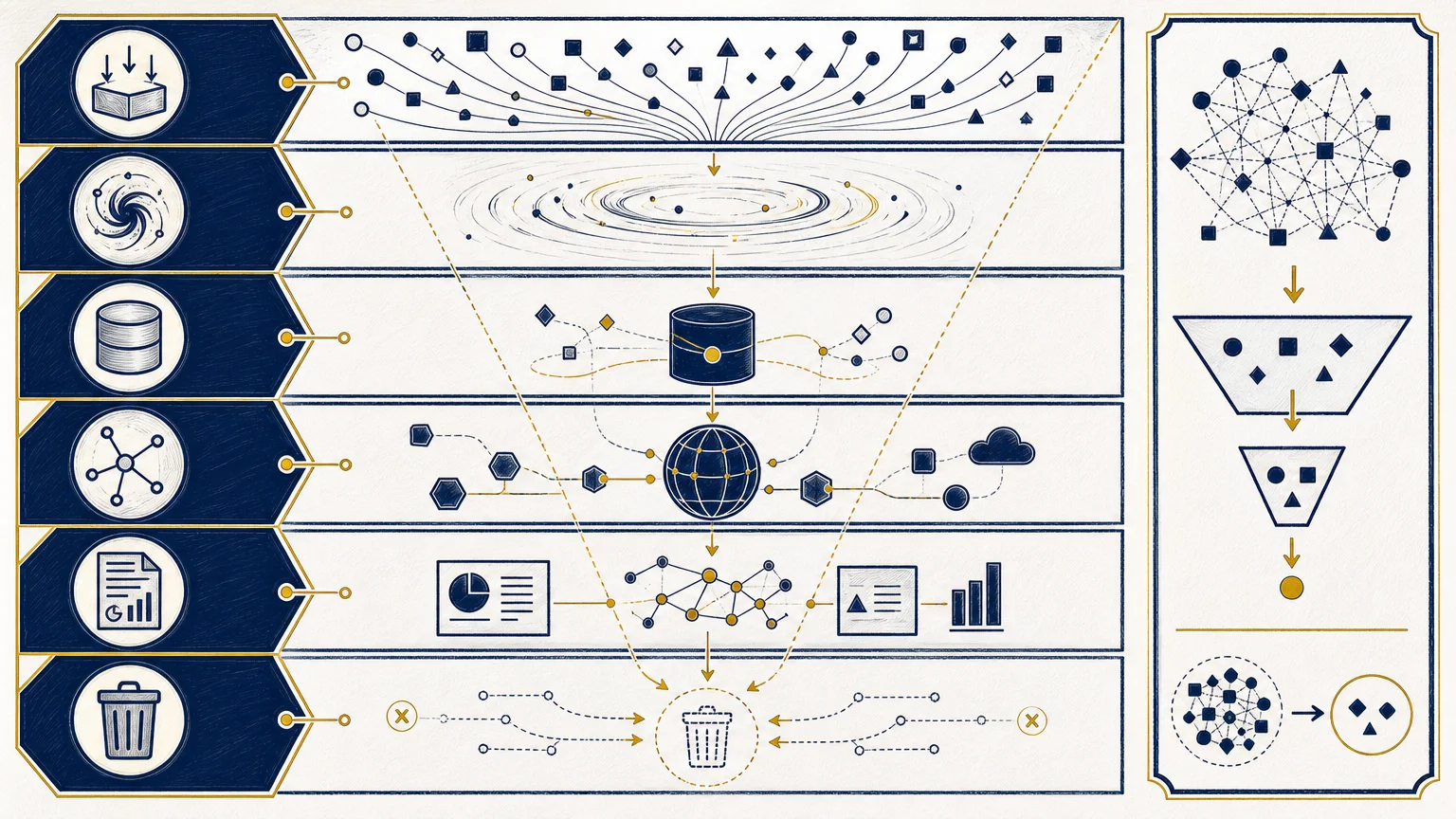
A narrow zero-retention review asks whether covered content remains stored after processing. That question matters, but it does not resolve whether unnecessary information entered the system, whether metadata remained persistent, whether a connected provider received the data, or whether summaries, classifications, embeddings, reports, and workflow outputs became new derived information.
Our digital trust architecture perspective treats privacy as a structural property of the full system. It separates account data from request content, temporary task context from persistent memory, and model instructions from externally enforced access controls, isolation, network boundaries, sandboxing, credential handling, and retention rules.
This wider scope is important when comparing alternatives. A consulting provider may be highly capable at governance operating models, risk assessments, privacy engineering, or implementation, while an architectural framework may help an organization decide what should exist before selecting controls for it. The strongest choice depends on which of those problems is unresolved.
How to evaluate a privacy architecture alternative
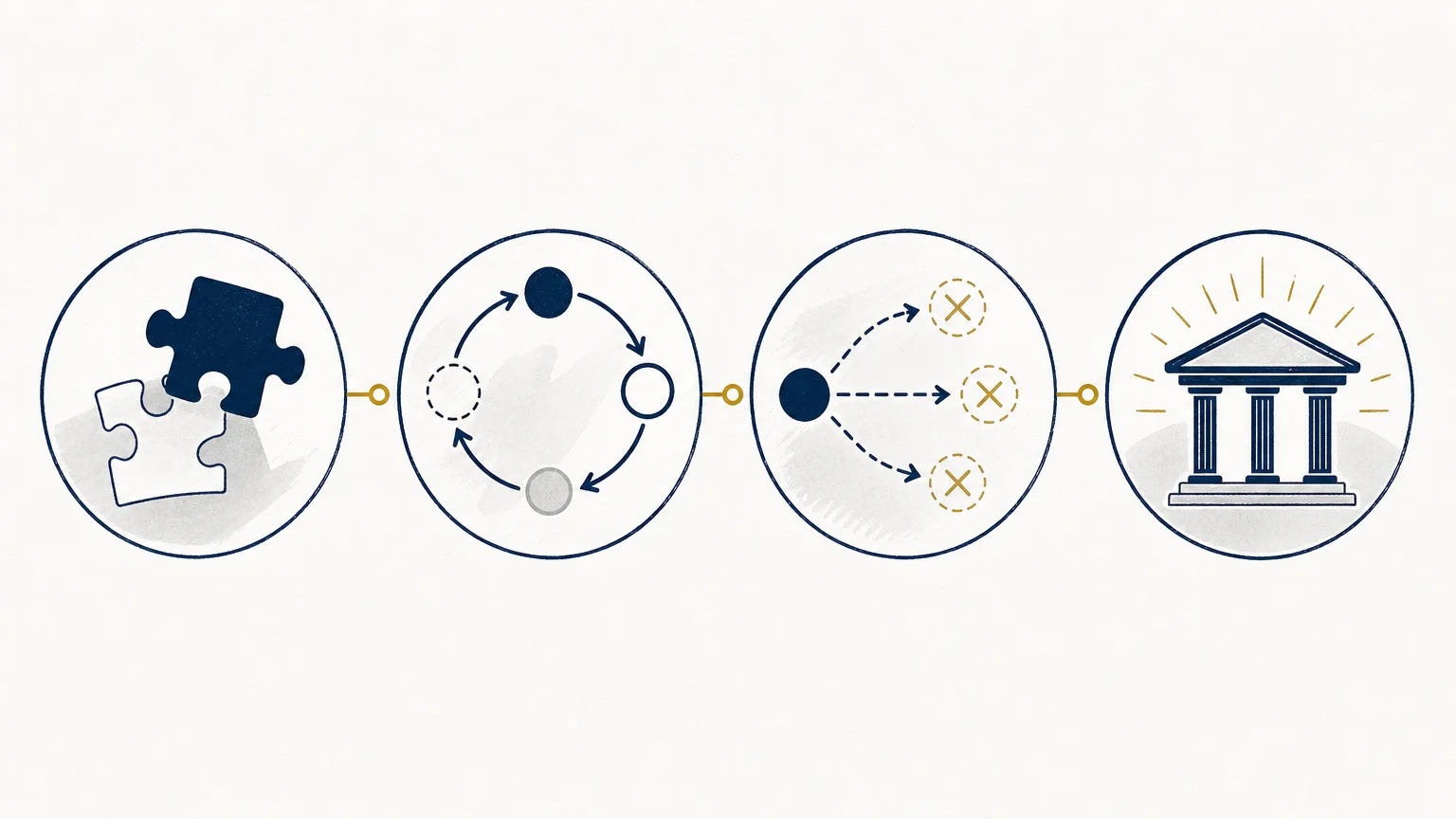
Before choosing a provider or framework, define the decision in four questions. First, is each requested field necessary for a clear function? Second, how long must the information remain available? Third, could the information be reused for profiling, advertising, unrelated training, or another secondary purpose? Fourth, which controls remain effective if a model, user, provider, or connected system behaves unexpectedly?
The NIST Privacy Framework provides a useful risk-management reference, while the EU GDPR text is a primary legal source for organizations assessing data protection by design and by default obligations. Neither source turns one framework or provider into a universal answer. Jurisdiction, purpose, data category, contracts, notices, rights, and documented exceptions remain relevant.
For AI agents, the assessment should also include tool access, provider routing, shared memory, retries, queues, caches, backups, incident response, and deletion behavior. A recent agentic AI review describes how autonomy, tool use, memory, coordination, security, privacy, and governance interact across multi-agent systems. That is why a privacy architecture alternative should be assessed at system level rather than by reviewing model prompts alone.
1. Zero Data Protocol
Best for: Organizations that want an architecture-first method for reducing dependency on personal and sensitive data before selecting or implementing technical controls.
We present Zero Data Protocol as an emerging independent framework built on Zero Collection, Zero Retention, and Zero Exploitation. Its central question is whether personal or sensitive information needs to exist, enter a system, persist beyond the required lifecycle, or be reused for an unrelated purpose.
For AI systems, the framework examines submitted content, request context, metadata, task memory, session memory, persistent memory, connected systems, provider routing, outputs, audit records, and derived information. Our data protection by design guidance connects those questions to practical architecture review rather than treating privacy as a final documentation exercise.
Human Freedom Choice is the human consequence of this approach. When identity or personal information is not functionally necessary, the system should preserve the person’s freedom not to provide it, including through anonymous, pseudonymous, or unlinkable operation where feasible. This principle does not establish anonymity automatically, and reducing collection can affect functionality, debugging, abuse investigation, or continuity.
Pros:
- Expands the review beyond retention to collection, persistence, secondary use, identity, connected systems, and derived data.
- Provides a useful lens for evaluating AI-agent memory and deletion across failures, retries, queues, caches, backups, and incident-response paths.
- Separates least data from least privilege, helping teams reduce what exists as well as what an agent can reach.
Cons:
- It is a framework and body of architectural guidance, not a consulting implementation package, certification, software product, or managed service.
- It does not prescribe one storage protocol or guarantee legal compliance, anonymity, security, or a specific operational outcome.
2. Custodia Privacy
Best for: Organizations seeking privacy-by-design advisory support that covers AI system discovery, governance, preparedness, extensibility, and data security operations.
Custodia Privacy positions its work around end-to-end privacy by design. Its stated areas include mapping AI systems and preparing reports, managing data and AI use from a central view, reviewing AI ethics, preparing for global regulations, extending privacy by design across an organization, and streamlining data security operations.
This makes Custodia relevant when the need is to build an inventory of AI use and connect privacy governance to organizational processes. It is particularly suitable for teams that need help understanding where AI systems exist, how they are used, and which governance gaps should be addressed before a larger rollout.
The main distinction from Zero Data Protocol is scope and modality. Custodia is presented as an advisory and governance-oriented service, while ZDP is an independent framework that starts with whether the data dependency should exist. A buyer should confirm the intended deliverables, implementation responsibilities, supported jurisdictions, and treatment of connected systems and derived data before contracting.
Pros:
- Direct emphasis on privacy by design and AI system mapping.
- Useful coverage of governance, ethics, preparedness, extensibility, and security operations.
- Potentially suitable for organizations that need a structured advisory relationship rather than a conceptual framework alone.
Cons:
- The available material does not establish a specific service-market footprint, pricing model, or standard implementation scope.
- Its stated areas are broad, so the engagement should define how data minimization, retention, anonymity, memory, and derived information will be assessed.
3. DataConsultant
Best for: Organizations that need broad data governance, privacy, metadata, architecture, analytics, AI, training, and implementation support in one delivery ecosystem.
DataConsultant covers privacy by design across products, data platforms, analytics, AI, and operating processes. Its broader service material also addresses governance metadata and privacy platforms, customer data governance, consent controls, ownership, access requirements, retention practices, data security governance, architecture, engineering, analytics, and implementation.
This breadth can be valuable for enterprises where privacy architecture is inseparable from data foundations. A program may require ownership models, metadata, lineage, classification, consent, retention, access controls, platform modernization, and knowledge transfer rather than a standalone privacy assessment.
DataConsultant is therefore a stronger fit than a narrow advisory provider when the organization wants to move from strategy into data-platform or operating-model execution. The trade-off is that a broad data and AI consultancy may need a tightly defined work package to ensure that architectural data minimization and identity reduction do not become secondary to platform delivery.
Pros:
- Broad coverage across privacy, data governance, metadata, lineage, security, AI, platforms, and implementation.
- Can connect privacy requirements with operating models, decision rights, stewardship, architecture, and delivery processes.
- Suitable for organizations that need training or capability building alongside advisory and technical work.
Cons:
- The breadth of services may make scope definition especially important.
- Organizations seeking a specifically zero-data or identity-minimizing philosophy may need to state those requirements explicitly.
4. Kodexo Labs
Best for: Organizations that need privacy architecture tied directly to AI engineering, security controls, governance automation, and production deployment.
Kodexo Labs combines AI security, governance, compliance, risk assessment, and data privacy engineering with software and infrastructure delivery. Its relevant material describes privacy-by-design architecture, anonymization and pseudonymization, privacy-enhancing technologies where appropriate, AI risk assessments mapped to the NIST AI RMF, decision logging, drift monitoring, compliance checkpoints, explainability oversight, and role-based access controls.
This is a practical alternative when the privacy problem is embedded in a system that must be built, integrated, deployed, or operated. The provider’s engineering-led model can connect architecture review to pipelines, endpoints, monitoring, audit trails, and deployment workflows, which is different from a framework whose primary role is to shape design decisions and evaluation questions.
The important limitation is that engineering controls do not automatically answer the prior question of necessity. An anonymized dataset can still be unnecessary, a persistent memory store can still create avoidable exposure, and a compliant deployment can still collect more information than the function requires. Our privacy engineering and data minimization perspective is useful here because implementation controls should follow a clear decision about what data should exist.
Pros:
- Strong fit for organizations that need architecture and implementation in the same engagement.
- Explicit attention to AI security, governance, risk assessment, privacy engineering, access control, monitoring, and auditability.
- Relevant to production systems, regulated environments, and teams that need engineering capacity rather than advisory guidance alone.
Cons:
- More implementation-led than philosophy-led, so data necessity and secondary-use questions should be made explicit in the brief.
- Engineering controls may not cover every source system, downstream provider, metadata path, or derived output unless those are included in scope.
5. Apriori Consulting
Best for: Technology companies and organizations needing cross-jurisdiction privacy and AI governance advice, risk assessments, DPIAs, training, or DPO support.
Apriori Consulting describes a boutique model combining lawyers from different jurisdictions, technologists, and governance experts. Its services include data and AI governance, AI risk assessments, data protection impact assessments, DPO as a service, bespoke training, and advisory support. The firm also describes work with technology companies and fast-moving product teams that need recurring data protection and AI risk reviews.
Apriori can be a strong alternative when the central challenge is connecting privacy architecture to legal, regulatory, and organizational decision-making across several jurisdictions. Its DPIA and governance orientation may help teams document impacts, identify stakeholders, define mitigation measures, and keep privacy considerations active as a product changes.
It is less directly comparable to ZDP because its emphasis is advisory, legal, and governance-oriented rather than a structural framework centered on reducing collection, retention, exploitation, and identity dependency. It is also not automatically a substitute for security engineering, platform implementation, or a full review of agent memory and connected-system behavior.
Pros:
- Relevant cross-jurisdiction perspective involving legal, technology, and governance expertise.
- Coverage of AI governance, risk assessments, DPIAs, DPO support, training, and privacy-by-design advice.
- Potentially useful for product teams that need recurring reviews as their systems and regulatory exposure evolve.
Cons:
- The exact division between advisory guidance, legal support, and technical implementation should be confirmed.
- Organizations focused on data absence, unlinkability, or AI-agent memory lifecycles may need additional architectural criteria.
Which alternative fits which privacy architecture need?
Choose an architecture-first framework when the organization has not yet decided whether particular data should be collected, retained, reused, or linked to identity. In that situation, Zero Data Protocol provides a useful starting point because it addresses necessity before custody, storage, or control. It also helps teams examine whether the output of an AI workflow becomes a new long-term data asset.
Choose Custodia Privacy when the priority is privacy-by-design mapping, AI governance, preparedness, and organizational oversight. Choose DataConsultant when privacy work must connect to enterprise data governance, metadata, lineage, platforms, training, and implementation. Choose Kodexo Labs when the organization needs engineers to build or secure AI systems and embed governance controls into deployment workflows. Choose Apriori Consulting when cross-jurisdiction privacy advice, DPIAs, DPO support, and legal-governance coordination are central.
In many organizations, these modalities can complement one another. A team may use an architectural framework to define what should not enter the system, a governance adviser to establish accountability, and an engineering provider to enforce access, isolation, routing, retention, and deletion controls. The resulting design should still be tested against residual risks, including inference, provider exposure, operational metadata, persistent memory, derived information, and functionality lost through minimization.
Conclusion
The best privacy architecture alternative depends on the unresolved problem. If the goal is to reduce personal-data dependency across collection, retention, exploitation, identity, memory, and connected systems, Zero Data Protocol is the most direct architecture-first fit. If the need is advisory or delivery support, Custodia Privacy, DataConsultant, Kodexo Labs, and Apriori Consulting offer different combinations of governance, privacy engineering, legal coordination, and implementation. Start by deciding what data should exist, then choose the provider or framework capable of enforcing that decision.
Build a Zero Data Architecture for Privacy-Focused Systems
Comparing service providers is useful, but the more important question is whether an AI system needs each piece of personal or sensitive data in the first place. Our framework helps teams examine collection, retention, exploitation, identity dependency, memory, connected systems, provider routing, derived information, and deletion behavior.
Explore zero-data architecture for privacy-focused systems to apply a structural, data-minimizing lens to digital systems and AI-agent environments. It is guidance for evaluation and design, not a certification, legal determination, or guarantee of security or compliance.
Frequently Asked Questions
What is the best Hatfield Lange alternative for privacy architecture?
Zero Data Protocol is the strongest architecture-first option when the priority is reducing collection, retention, exploitation, and identity dependency. It is not a consulting replacement, so organizations needing implementation or advisory support may also evaluate the service providers listed above.
Is Zero Data Protocol a consulting company?
No. Zero Data Protocol is an independent architectural framework and publisher focused on privacy, cybersecurity, AI governance, digital architecture, and digital trust. It does not present itself as a certification, software product, managed service, or separately purchasable implementation package.
Which alternative is best for AI security implementation?
Kodexo Labs is the most implementation-oriented option in this selection, with stated services covering AI security architecture, governance, risk assessment, compliance, and data privacy engineering. The precise deliverables, responsibilities, and system scope should be agreed before engagement.
How does privacy architecture differ from zero retention?
Zero retention focuses primarily on whether covered information remains persistently stored after processing. Privacy architecture is broader, examining whether data should enter the system, how identity and access are handled, what connected systems receive, what outputs become derived data, and which secondary uses are allowed.
Does data minimization guarantee compliance or anonymity?
No. Data minimization can reduce unnecessary exposure, but it does not automatically establish legal compliance, anonymity, security, or fairness. Results depend on jurisdiction, purpose, implementation, data context, provider behavior, and the residual risks that remain after controls are applied.