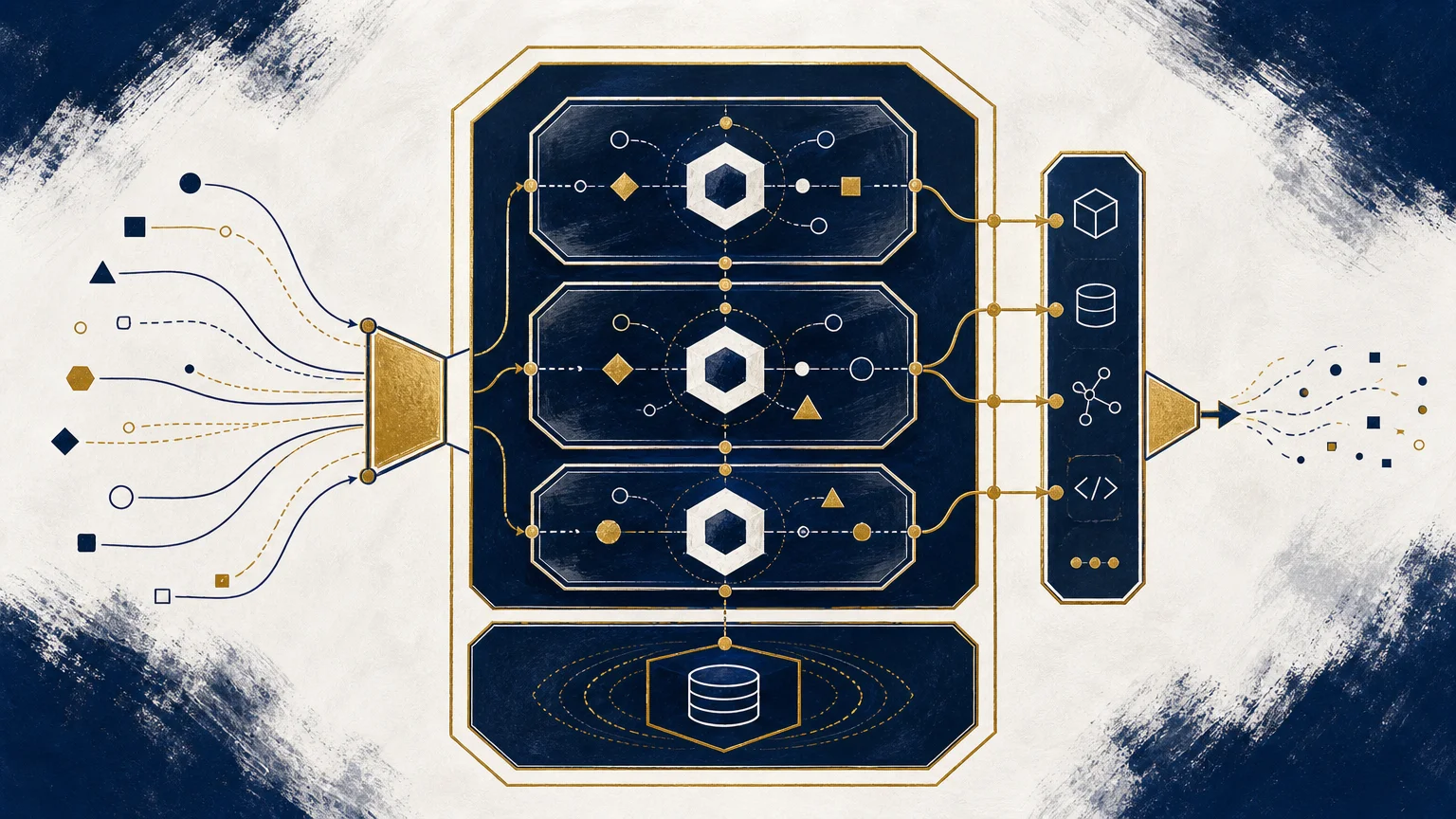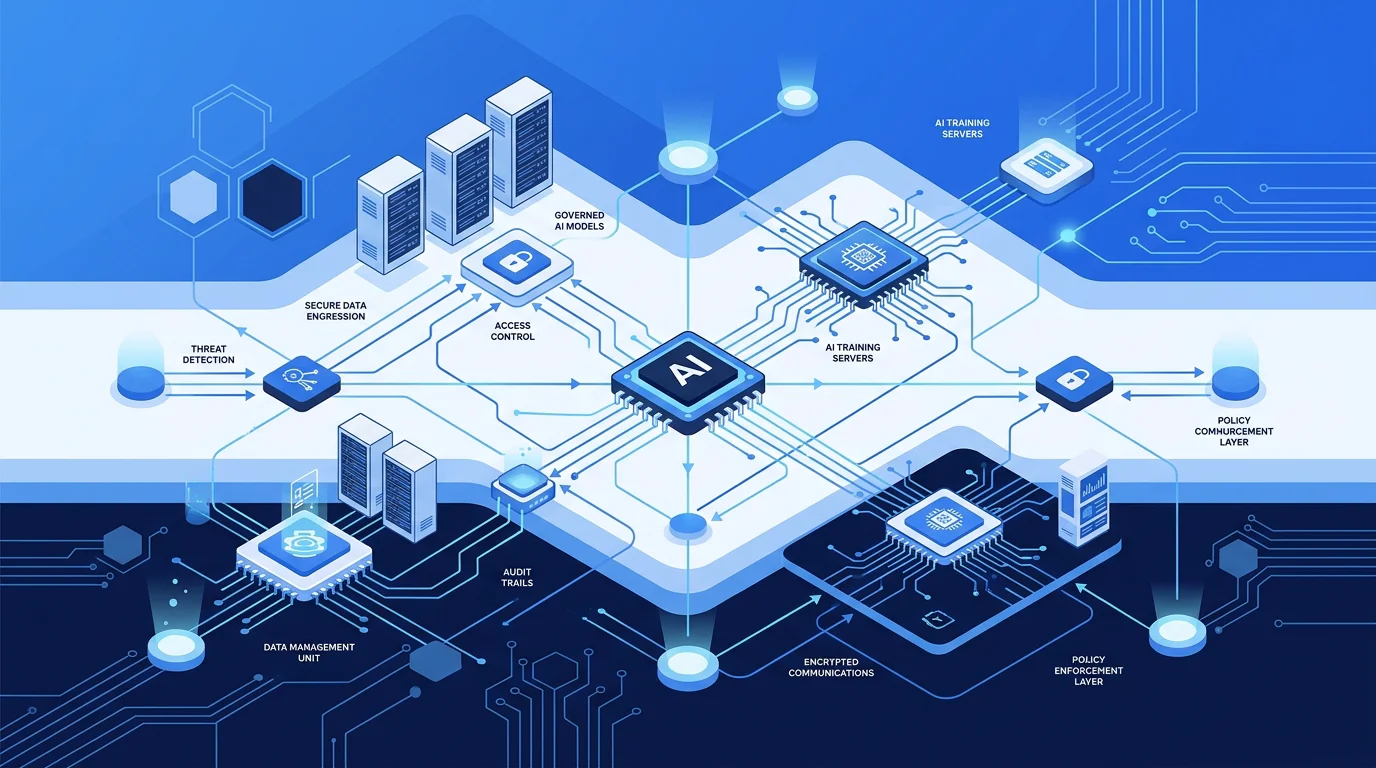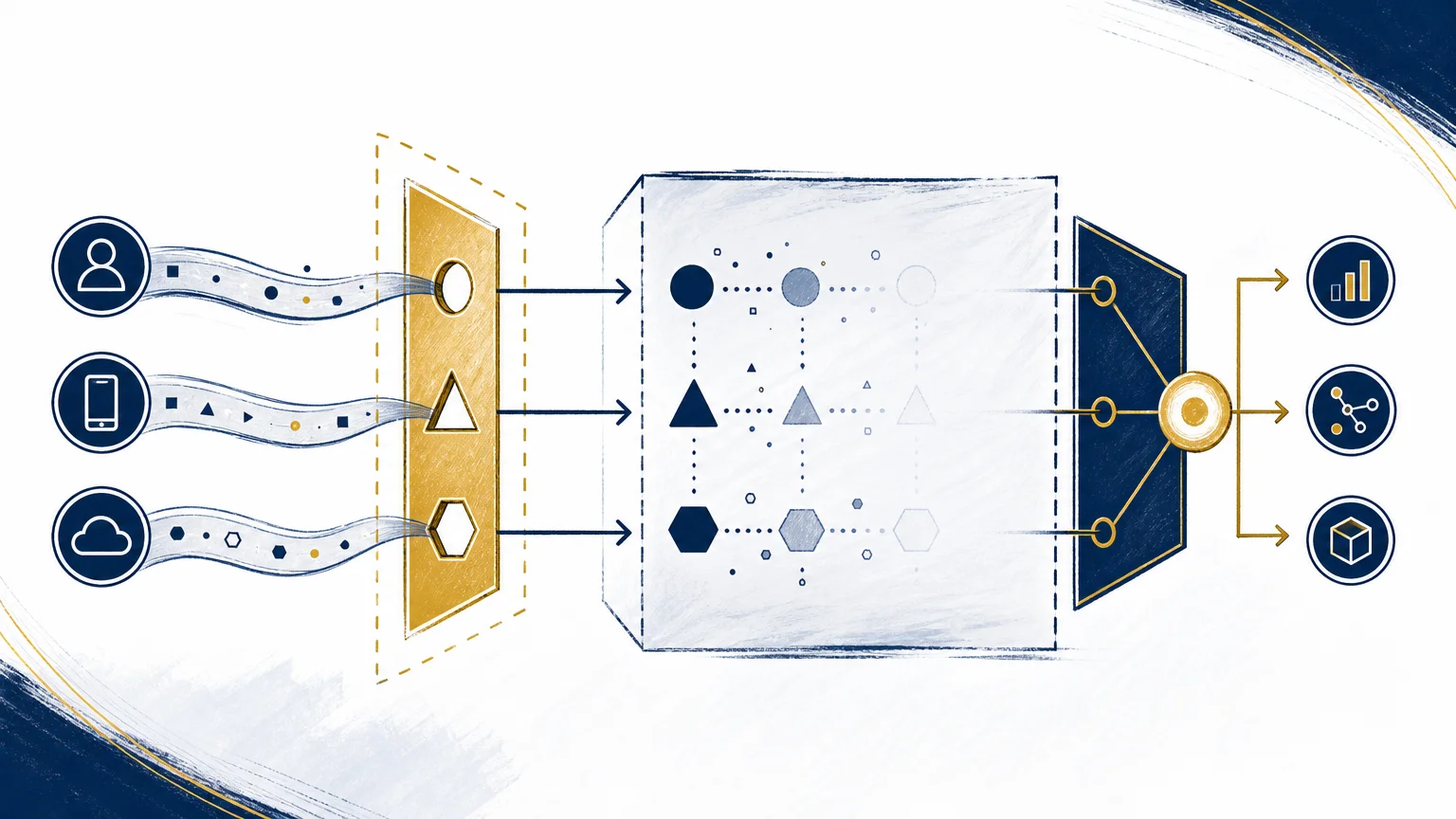

What does it mean to find structural privacy experts for enterprises rather than another policy adviser? The answer starts with architecture. Teams need specialists who can examine what data enters a system, whether identity is necessary, how long information persists, what connected systems can access, and whether outputs or profiles create new exposure. Our practical view of enterprise privacy architecture treats these questions as design decisions, not only documentation tasks.
Privacy engineering is now understood as a cross-disciplinary practice connecting technical design, governance, legal requirements, and user expectations. An privacy engineering roadmap describes the field as drawing on information security, jurisprudence, economics, and psychology, which helps explain why enterprise teams often need several types of expertise rather than one generic privacy role.
Where can enterprise teams find structural privacy expertise?
The search usually begins with the problem rather than a job title. An enterprise modernizing an AI platform may need a privacy engineer and an enterprise architect. A company rationalizing retention may need information governance expertise. A regulated organization expanding across regions may also require legal and regulatory interpretation. These capabilities overlap, but they are not interchangeable.
- Independent architectural frameworks can provide principles, evaluation questions, and a vocabulary for assessing collection, persistence, identity, secondary use, and digital trust. They are useful at the strategy and design stage, but they may not provide implementation staff or managed services.
- Privacy engineering teams translate privacy requirements into system behaviors, technical controls, data flows, testing procedures, and product decisions. Verify whether their work extends beyond consent management and documentation into architecture, storage, identity, inference, and deletion behavior.
- Enterprise architecture consultancies can connect privacy decisions to applications, infrastructure, data platforms, operating models, and transformation roadmaps. Their privacy depth varies, so ask for evidence of hands-on data protection and privacy engineering work.
- Information governance specialists help organizations assess policies, retention schedules, records, ownership, classification, and lifecycle controls. They are particularly relevant when the main risk is uncontrolled persistence across repositories and business units.
- Cybersecurity and privacy consultancies can review access control, segmentation, provider risk, cloud configuration, monitoring, incident response, and privacy governance. Confirm that the engagement addresses unnecessary data dependency, not only protection of data already collected.
- Professional associations and academic networks can help locate practitioners, research, training, and communities of practice. They are useful for building an internal capability or validating terminology, but association membership alone is not proof of enterprise delivery experience.
This distinction prevents a common procurement error: selecting a specialist because the title sounds relevant, without checking whether the person can follow data across the full architecture. The strongest evaluation process maps the required decisions first, then tests each candidate against those decisions.
Why is structural privacy different from compliance support?
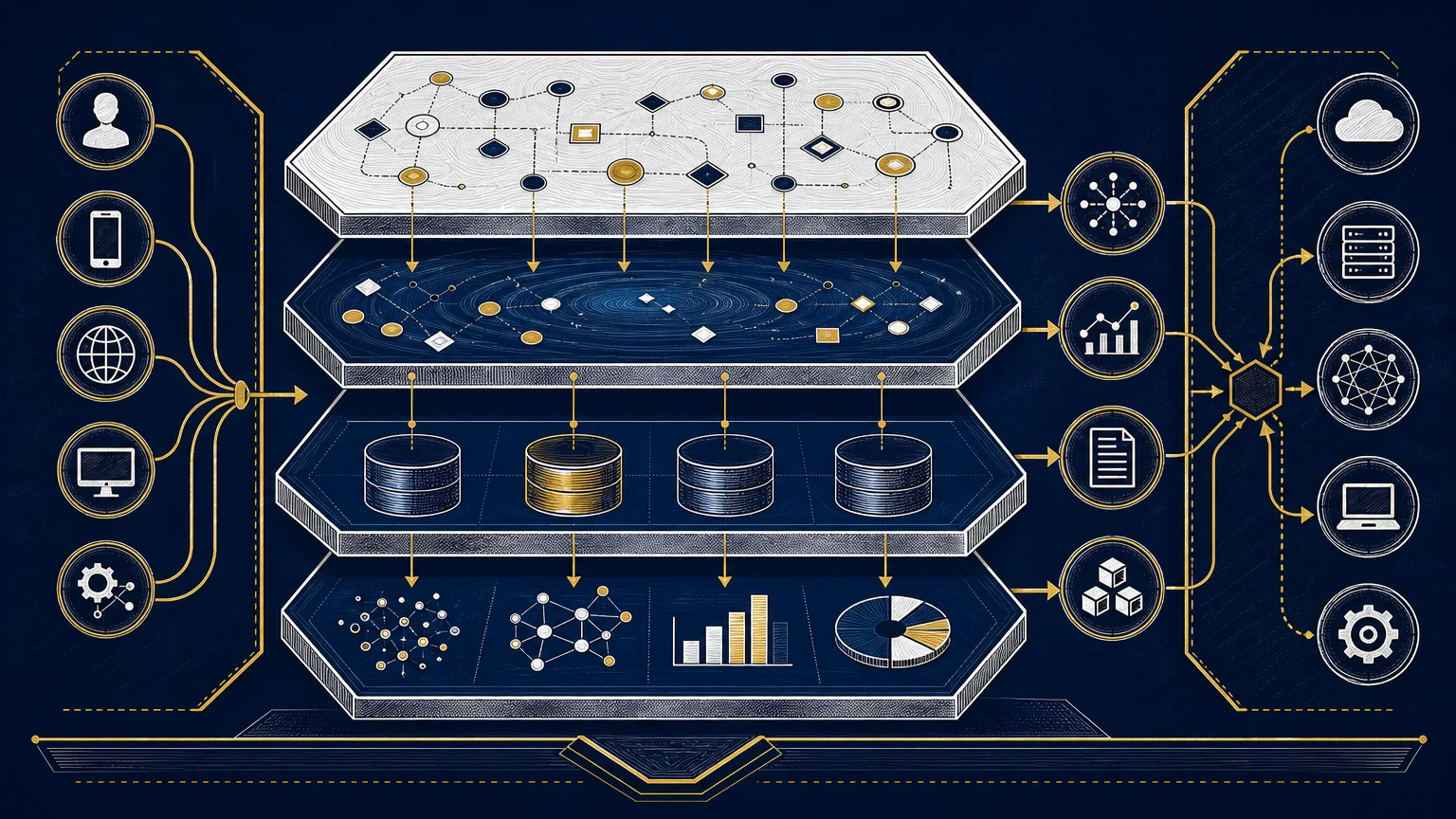
Compliance support generally asks whether an organization can satisfy a defined obligation. Structural privacy asks a prior question: does the information need to exist in this system at all? That change in sequence matters. If an organization collects unnecessary identity attributes, stores excessive context, or sends sensitive information to an avoidable provider, stronger access controls may reduce exposure without removing the underlying dependency.
The field of privacy engineering overview describes privacy engineering as an emerging discipline that develops tools, methods, and processes for meeting privacy requirements and expectations. For enterprise architecture, that means turning principles such as data minimization, purpose limitation, unlinkability, and controlled retention into concrete decisions about schemas, APIs, workflows, permissions, logging, backups, and deletion.
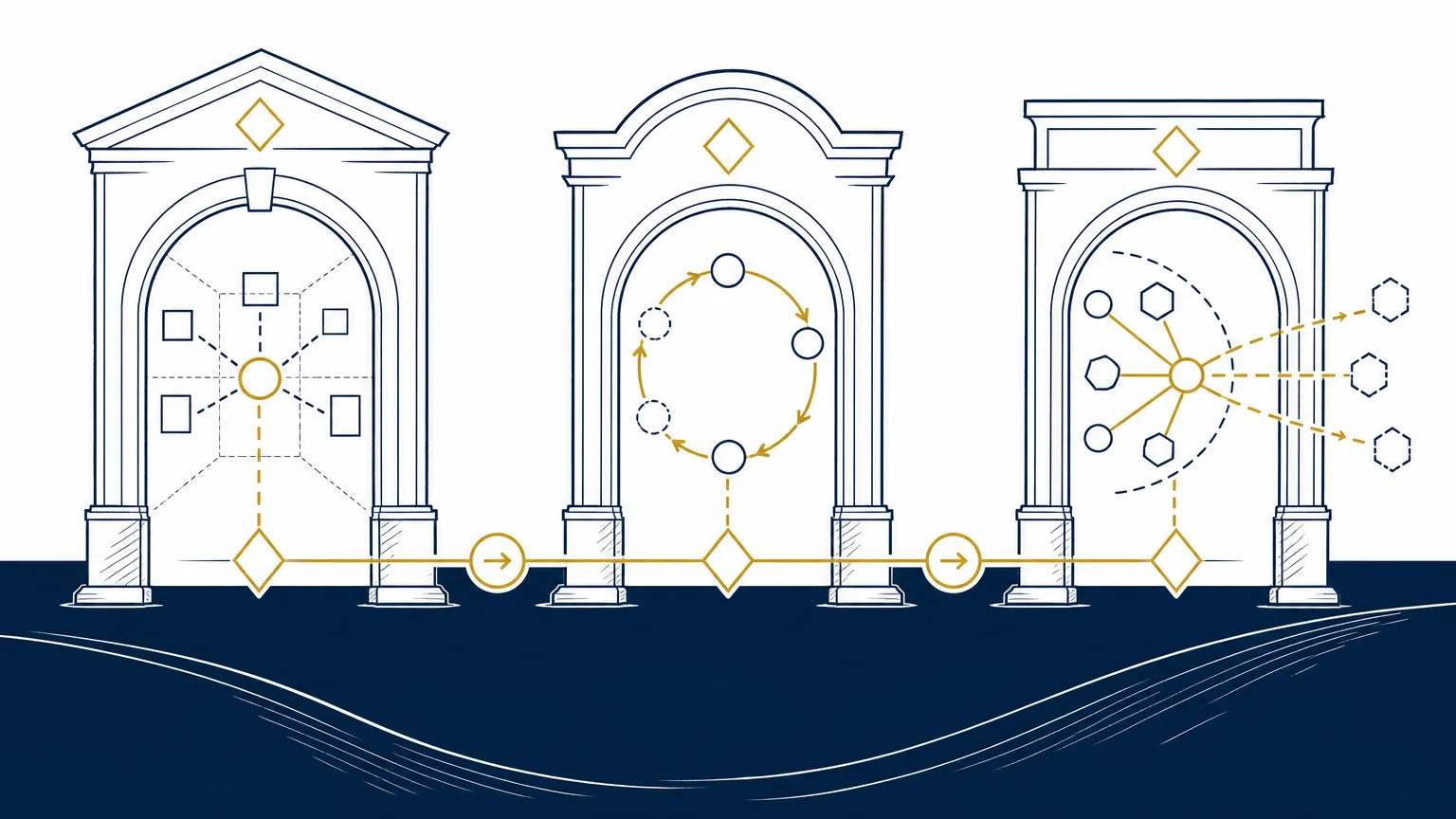
Zero Data Protocol provides one emerging independent framework for this structural perspective. Its three directions are Zero Collection, which questions unnecessary input; Zero Retention, which questions persistence beyond the required lifecycle; and Zero Exploitation, which rejects unrelated profiling, advertising, training, or secondary activation. The human consequence is Human Freedom Choice: when identity or personal information is not functionally necessary, the person should retain the freedom not to provide it.
This is not a regulation, certification, official standard, product, or guarantee. It is a way to organize architectural questions. That makes it useful during discovery, design review, procurement, and governance discussions, while leaving implementation, legal interpretation, security engineering, and operational accountability with the organization and its selected specialists.
What should experts understand about AI agents and connected systems?
Consider an AI agent that receives a customer request, retrieves records from a knowledge system, calls an enterprise application, creates a summary, and stores a memory for future interactions. A conventional privacy review may focus on the original request and the main database. A structural review follows every stage, including prompt content, task context, session memory, persistent memory, metadata, provider routing, tool permissions, logs, summaries, classifications, embeddings, exported reports, and downstream copies.
That is why AI-agent memory should be a specific selection criterion. Ask whether the expert distinguishes temporary task context from session memory, persistent memory, and derived memory. Ask whether they can identify what must be deleted after a request, what may remain for security or operational reasons, and which connected source systems or downstream providers are outside the organization’s direct control.
Teams should also test the expert’s understanding of controls beyond model instructions. A model policy can state that an agent should not access a system, but externally enforced permissions, network boundaries, isolation, sandboxing, credential handling, and retention rules determine whether that restriction is technically meaningful. Our guidance on how to secure and govern AI across the enterprise addresses this distinction between instructions and enforceable architecture.
AI expertise alone is not enough. A person may understand model behavior but lack experience with enterprise identity, data lineage, backup systems, queue processing, incident response, or contractual provider boundaries. Conversely, an infrastructure architect may understand segmentation and access control but overlook inference, profiling, derived data, or the human consequences of unnecessary identity dependency.
How should an enterprise evaluate a privacy expert?
A useful evaluation begins with a written scope of decisions, not a generic request for a privacy assessment. The following questions help separate structural capability from surface-level advice:
- Can the expert map the full data lifecycle? The scope should include collection, processing, temporary context, persistence, deletion, backups, caches, queues, logs, exports, and derived data.
- Can the expert examine identity dependency? The assessment should ask whether an account, legal identity, email address, device identifier, or persistent profile is functionally necessary for each workflow.
- Can the expert review connected systems? Enterprise applications, retrieval systems, analytics platforms, vendors, cloud services, and downstream providers can expand exposure beyond the primary application.
- Can the expert distinguish least privilege from least data? Least privilege limits what an agent or user can reach. Least data limits what information exists to be reached. Effective architecture often requires both.
- Can the expert produce implementation-ready decisions? Look for data-flow diagrams, control requirements, retention rules, access boundaries, deletion tests, ownership assignments, and unresolved-risk registers.
- Can the expert state limitations? A credible specialist should explain what the organization cannot control directly, which assumptions remain untested, and how minimization may affect debugging, investigations, quality review, continuity, or functionality.
The quality of evidence matters more than the number of frameworks listed on a résumé. Ask for anonymized examples of architecture reviews, data-flow analysis, AI-agent assessments, retention testing, privacy threat modeling, or governance operating models. Where confidentiality prevents detailed examples, the expert should still be able to explain the method, decision points, deliverables, and treatment of residual risk.
What evidence should structural privacy experts provide?
Imagine two advisers responding to the same enterprise request. The first delivers a policy inventory and a list of applicable laws. The second maps request content, account data, metadata, connected systems, provider routing, outputs, derived information, and deletion behavior across normal and failure paths. The second response is closer to structural privacy expertise because it connects policy to system behavior.
Useful evidence may include a current-state data-flow map, a target architecture, a retention and deletion matrix, an identity-dependency review, a memory-lifecycle analysis, a provider and connected-system assessment, and a test plan for failures, retries, timeouts, queues, backups, caches, and incident-response paths.
For AI deployments, request explicit treatment of prompt content, retrieval inputs, tool calls, agent permissions, model-provider routing, telemetry, human review, summaries, classifications, embeddings, and exported workflow results. The expert should also identify whether derived information can reveal sensitive attributes even when the original input has been removed.
Public frameworks can help teams structure this work. Our data protection by design material is relevant when the organization needs to translate minimization and lifecycle principles into design questions. It should complement, not replace, legal advice, security testing, privacy impact assessments, contractual review, and operational ownership.
How do jurisdiction and governance affect the choice?
Privacy expertise is not automatically transferable across jurisdictions. A specialist may understand European data protection principles but have limited experience with United States state privacy requirements, sector-specific rules, cross-border transfers, employment data, health information, financial records, or government procurement. International enterprises should identify the jurisdictions, purposes, data categories, contracts, notices, user rights, and documented exceptions that shape the engagement.
Regulators and professional bodies can help clarify expectations, but they are not substitutes for architectural expertise. Guidance from ISACA guidance connects privacy, security, digital trust, and enterprise data management, illustrating why these responsibilities often need to work together rather than remain isolated in legal, security, or IT teams.
Organizations should also separate advisory roles. A regulator interprets and enforces applicable law. A lawyer interprets legal obligations and contracts. A privacy engineer designs technical measures. An enterprise architect aligns capabilities and systems. A cybersecurity specialist tests defensive controls. An information governance practitioner manages lifecycle, classification, and accountability. One person may cover several roles, but the organization should verify that the required depth actually exists.
Governance structure matters as much as technical skill. Privacy decisions need named owners, escalation paths, review points, documentation standards, and a method for handling exceptions. Without those mechanisms, even a strong architecture assessment can become a static report that does not influence procurement, product development, engineering delivery, or ongoing operations.
Where does Zero Data Protocol fit in the search?
Zero Data Protocol is relevant when an enterprise wants an independent structural lens for evaluating whether personal or sensitive data needs to enter a system, persist, or be reused. Its scope includes Zero Collection, Zero Retention, Zero Exploitation, Human Freedom Choice, AI-agent memory, connected systems, identity dependency, metadata, derived information, and architectural controls.
Our framework is designed for information discovery and architectural evaluation. It does not present itself as a consulting marketplace, implementation service, software package, storage protocol, certification, or legal compliance mechanism. Teams can use its questions to improve an internal review, compare architecture options, or prepare a more precise brief for privacy engineers, enterprise architects, information governance specialists, or cybersecurity advisers.
The most useful outcome is often a better question. Instead of asking only how to protect a large repository, the team can ask whether the repository, identity dependency, memory layer, profile, or secondary use is necessary in the first place. That shift can reduce exposure, but it can also affect personalization, debugging, abuse investigation, continuity, and functionality, so each decision should be tested against the enterprise’s actual objectives.
Choosing structural privacy expertise with confidence
Enterprise teams should evaluate structural privacy experts by the decisions they can explain and the evidence they can produce. Look for specialists who connect privacy engineering with enterprise architecture, AI-agent memory, identity, connected systems, derived data, externally enforced controls, jurisdictional requirements, and operational trade-offs. An independent framework such as ZDP can help organize that evaluation, but it should be used alongside legal, security, governance, and implementation expertise. The clearest sign of quality is not a broad promise of compliance or security. It is a precise account of what data should exist, where it may flow, how long it may persist, who can reach it, and what risks remain.
Build a More Structural Privacy Strategy
When privacy decisions involve AI agents, connected enterprise systems, persistent memory, and derived information, teams need a method that looks beyond isolated controls. A structural approach helps clarify necessity, lifecycle, identity dependency, secondary use, and the boundaries that must be enforced outside the model.
We publish the Zero Data Protocol framework to help architects, privacy practitioners, security teams, and AI-governance professionals examine collection, retention, exploitation, and human freedom of choice. Use the public material to structure discovery, compare design options, and identify where additional legal, engineering, or operational expertise is required.
Frequently Asked Questions
What are structural privacy experts for enterprises?
They are specialists who assess privacy as an architectural property, including collection, retention, identity dependency, connected systems, derived data, and secondary use. Their work can include privacy engineering, enterprise architecture, information governance, cybersecurity, or independent framework analysis.
Where can an enterprise find privacy engineering expertise?
Organizations can look within privacy engineering teams, enterprise architecture practices, cybersecurity and privacy consultancies, information governance groups, professional associations, academic networks, and independent architectural frameworks. The right source depends on whether the need is strategic evaluation, technical implementation, governance, or regulatory interpretation.
Why do AI agents require specialized privacy expertise?
AI agents can combine prompts, retrieval, tool calls, session context, persistent memory, metadata, outputs, and connected systems. A specialist should examine not only the original request but also the data created, copied, inferred, retained, or exposed throughout the agent lifecycle.
Is Zero Data Protocol a certification or compliance standard?
No. Zero Data Protocol is an emerging independent architectural framework built around Zero Collection, Zero Retention, and Zero Exploitation. It provides a structural lens and evaluation questions, but it does not guarantee legal compliance, security, anonymity, or a particular implementation result.
What should an enterprise ask a privacy expert before hiring them?
Ask how they map data flows, test deletion, evaluate identity necessity, review AI-agent memory, inspect provider routing, assess connected systems, and document residual risks. Also confirm their jurisdictional experience, deliverables, implementation role, and ability to work with legal, security, engineering, and governance owners.