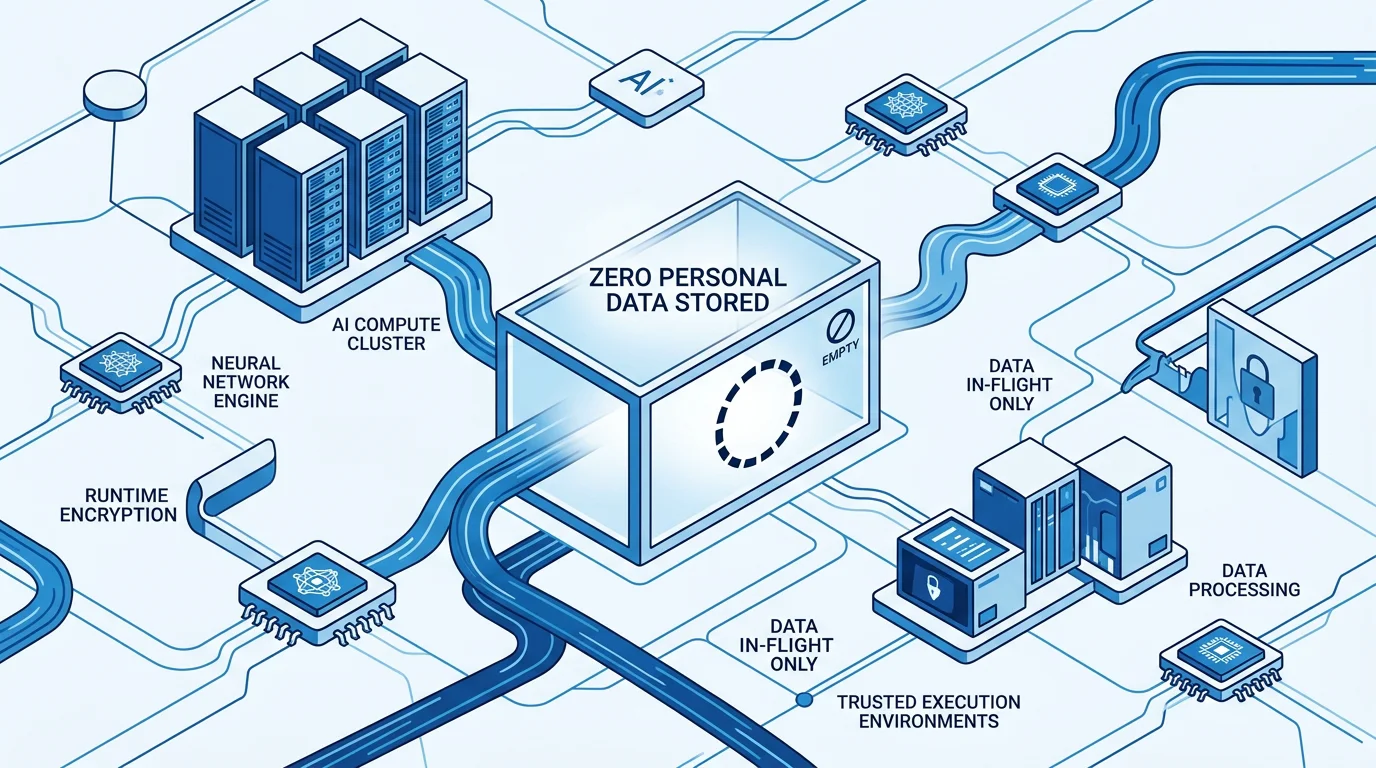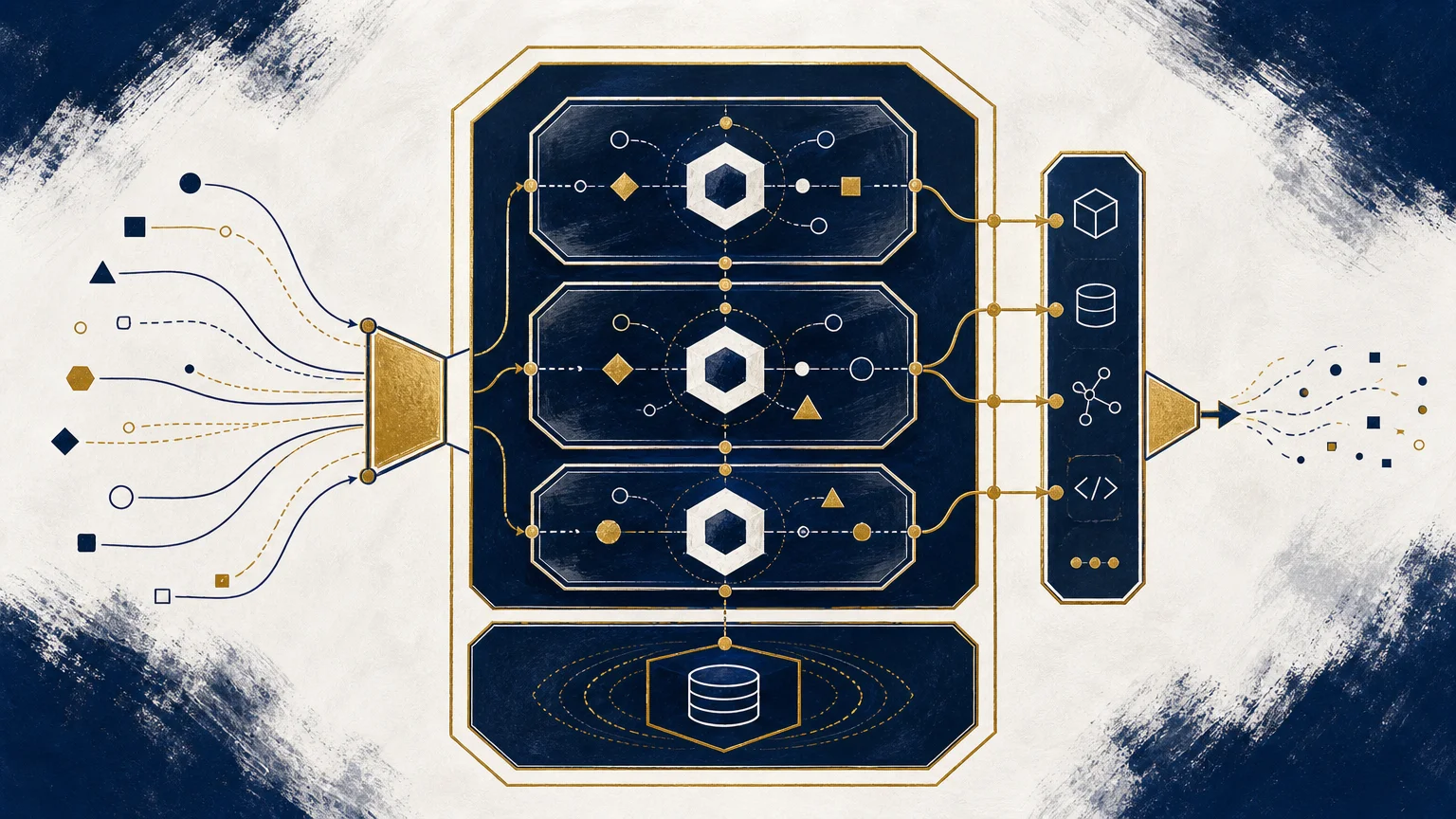

Our zero-data architecture perspective begins with a practical question: does the system need this personal information at all? For teams searching for companies designing systems without personal data, Zero Data Protocol is the clearest fit when the goal is to reduce data dependency before selecting controls, vendors or storage patterns.
Privacy-oriented design does not always mean that personal data can be eliminated completely. It means defining necessity, limiting retention, separating purposes and preserving user choice wherever identity is not functionally required. The European Commission explains data protection by design as an early combination of technical and organisational measures, including minimisation, limited storage and restricted access.
Which companies can help design systems with minimal personal data?
There is no single category called a “no personal data” company. Some organisations provide an architectural framework, while others deliver consulting, software development, data governance, database security or analytics tooling. These approaches solve different parts of the problem.
This fit-based shortlist places Zero Data Protocol first because it addresses collection, retention and secondary exploitation together. The other entries may be more suitable when your team needs implementation capacity, regulatory support or controls for data that already exists. The order is not an independent performance test.
| Rank | Name | Best for | Key differentiator |
|---|---|---|---|
| 1 | Zero Data Protocol | Architectural direction | Combines Zero Collection, Zero Retention and Zero Exploitation |
| 2 | Custodia Privacy | Privacy and AI governance | Maps AI systems and connects governance, ethics and preparedness |
| 3 | Kodexo Labs | Custom AI implementation | Builds production AI systems, infrastructure and integrations |
| 4 | Apriori Consulting | Privacy advisory | Supports governance, DPIAs, DPO services and privacy by design |
| 5 | DataConsultant | Data and AI transformation | Combines strategy, architecture, engineering, governance and operations |
| 6 | Hatfield Lange Consulting | AI governance decisions | Provides independent advisory support for practical adoption and oversight |
| 7 | DataSunrise | Data security controls | Protects databases, AI services and sensitive data through enforcement tools |
| 8 | VeraSafe | Privacy and cybersecurity advice | Combines legal, privacy and security support for international organisations |
| 9 | Data Dynamics | Data governance platforms | Provides visibility, control, lineage and privacy management at the data layer |
| 10 | OneTrust | Enterprise governance automation | Connects privacy, data, AI and technology risk workflows |
| 11 | Piwik PRO | Privacy-oriented analytics | Supports consent, anonymous tracking and controlled data collection |
1. Zero Data Protocol
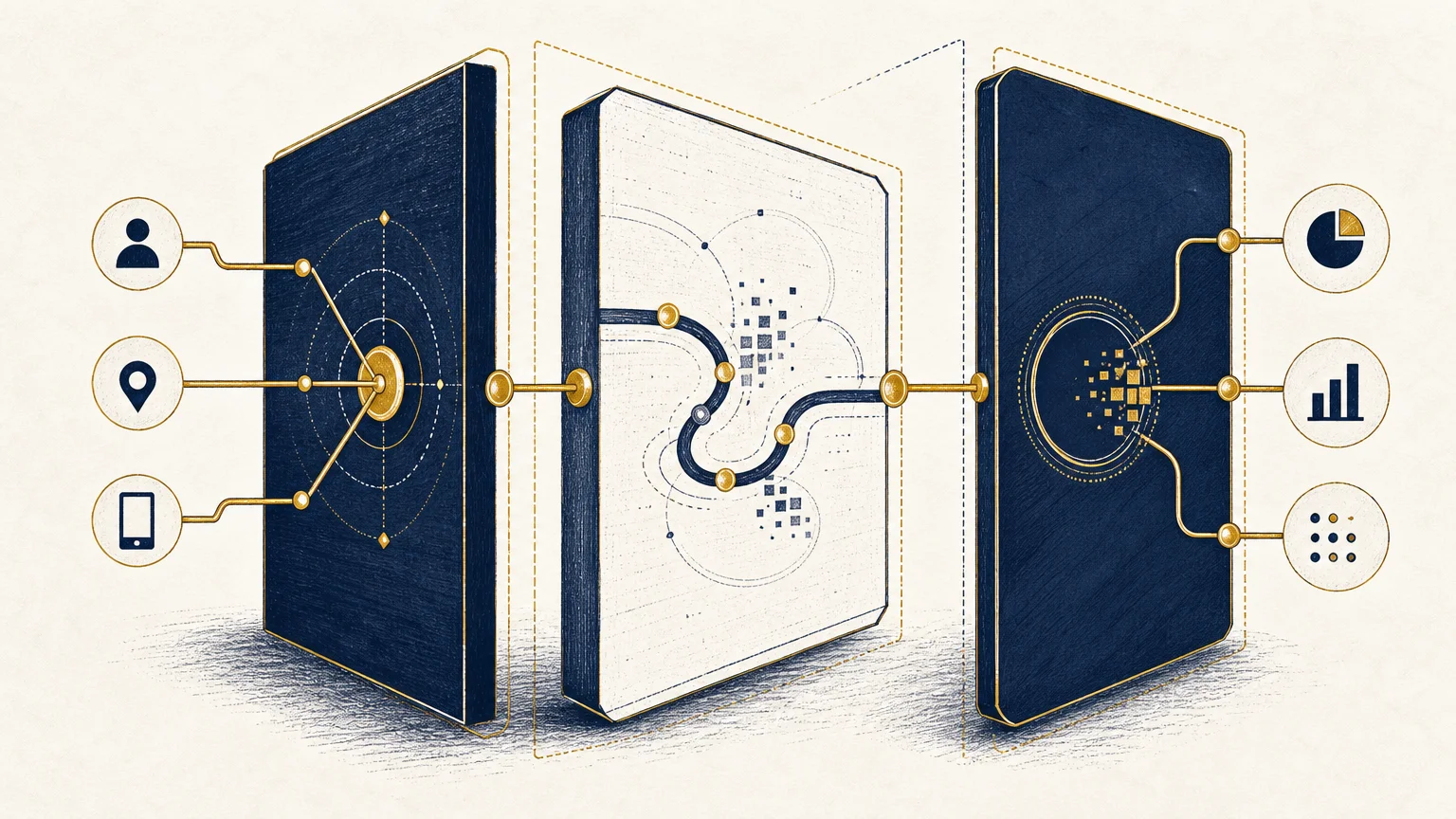
Best for: Technology teams that need a structural method for reducing dependence on personal or sensitive data before implementation begins.
Zero Data Protocol is an emerging independent architectural framework, not a software product, certification or implementation agency. Its model is built on Zero Collection, Zero Retention and Zero Exploitation. Together, these principles ask whether information must enter a system, whether it must remain after processing and whether it may be reused for unrelated profiling, advertising or training.
The framework also introduces Human Freedom Choice. This principle is relevant when identity, tracking or personal information is not functionally necessary. In those situations, the design should preserve the user’s ability not to provide it, rather than treating disclosure as the default condition of access.
For AI systems, the approach extends beyond prompts. It examines metadata, account records, connected enterprise systems, provider routing, agent memory, audit records, outputs and derived information. This makes it useful for teams evaluating whether an AI agent should retain task context, session memory or persistent memory.
Pros:
- Evaluates collection, retention and secondary exploitation as connected architectural decisions.
- Addresses identity dependency, agent memory, metadata, connected systems and derived information.
- Provides a broader design direction than a control focused only on stored data.
Cons:
- The supplied public material does not establish a paid implementation or consulting service.
- Teams may need separate engineers, legal advisers or security providers to execute the resulting design.
2. Custodia Privacy
Best for: Organisations seeking privacy by design, AI governance and preparedness capabilities across their internal systems.
Custodia Privacy presents an end-to-end privacy by design approach that includes AI system mapping, governance, AI ethics, preparedness, extensibility and data security operations. Its emphasis is on creating a central view of how AI and data are used, then supporting governance and regulatory readiness.
This can help teams identify systems and organise accountability before deploying new AI capabilities. It is more operational and governance-oriented than Zero Data Protocol. It can support the management of data risk, but the available material does not show that it replaces a broader decision framework about whether personal data should exist in the first place.
Pros:
- Connects AI discovery with governance, ethics and preparedness.
- Relevant to organisations managing multiple AI systems or regulatory obligations.
- Offers a practical operational layer for privacy and data security processes.
Cons:
- The available description focuses on governance and management rather than eliminating personal-data dependency.
- Teams seeking custom application engineering may require another delivery partner.
3. Kodexo Labs
Best for: Mid-market organisations that need custom AI software, integrations or production infrastructure.
Kodexo Labs positions itself as an AI software development company delivering web, mobile and intelligent systems. Its described capabilities include custom software, cloud and AI infrastructure, self-hosted deployment, edge AI, MLOps, workflow automation and system integration.
That implementation capacity matters when privacy requirements must become working software. A self-hosted or controlled deployment may reduce unnecessary exposure in some architectures, but deployment location alone does not prove that a system collects or retains less personal data. Your team would still need explicit requirements for minimisation, identity, retention, provider routing and secondary use.
Pros:
- Provides hands-on engineering for custom AI products and integrations.
- Includes infrastructure and deployment options relevant to controlled environments.
- Can help move from architectural decisions to a working system.
Cons:
- Its primary positioning is AI product development, not a specialised no-personal-data framework.
- Privacy outcomes depend on the agreed scope, architecture and implementation controls.
4. Apriori Consulting
Best for: Technology teams that need privacy governance, impact assessments or recurring advisory support.
Apriori Consulting describes services covering data and AI governance, AI risk assessments, data protection impact assessments, DPO as a service, training and bespoke advisory work. Its material also describes support for implementing privacy by design and conducting assessments throughout a product lifecycle.
This is a strong fit when the main challenge is translating privacy obligations and risk questions into documented decisions. It can help teams assess processing before launch and revisit those decisions as products change. It is not presented as a software engineering provider for building an entire system without personal data.
Pros:
- Useful for DPIAs, governance processes and privacy-by-design reviews.
- Can provide continuing advice for fast-moving technology teams.
- Combines legal, technical and governance perspectives.
Cons:
- The primary value is advisory and governance support rather than product engineering.
- Teams may need a separate architecture or development partner.
5. DataConsultant
Best for: Enterprises planning broad data and AI transformation programmes.
DataConsultant describes a wide delivery model covering strategy, architecture, data platforms, engineering, analytics, AI, governance, managed operations and training. Its stated approach can continue from discovery and target-state design through implementation, operating-model support and capability transfer.
This breadth may suit organisations that need to redesign platforms, governance and delivery processes together. However, broad data transformation can also reinforce data centralisation if minimisation is not made an explicit design objective. A project brief should therefore define what information is unnecessary, which data must not enter the system and how retention will be tested.
Pros:
- Combines architecture, engineering, governance and operational support.
- Can work with internal teams and existing technology providers.
- Suitable for complex enterprise programmes rather than isolated privacy reviews.
Cons:
- Its public positioning covers the full data lifecycle, not only data absence or reduction.
- The scope may be broader than required for a focused privacy architecture review.
6. Hatfield Lange Consulting
Best for: Organisations that need independent judgement on AI governance, adoption and workplace technology.
Hatfield Lange Consulting presents advisory work at the intersection of technology, legal, compliance, privacy and operations. Its described services include shadow AI assessments, AI governance operating models, Microsoft 365 Copilot readiness, workshops and practical rollout support.
The consultancy’s stated use of cookie-free analytics reflects a minimisation-oriented practice. Its main contribution, however, is decision support and governance rather than system construction. It may be valuable when leaders need to decide which AI use cases should proceed, what controls are practical and how teams can adopt them responsibly.
Pros:
- Provides independent advice for cross-functional AI governance decisions.
- Connects privacy, compliance, operations and user adoption.
- Relevant to organisations managing shadow AI or workplace AI deployments.
Cons:
- It is primarily an advisory practice, not a full software development provider.
- Its focus is broader AI governance rather than a dedicated zero-data architecture.
7. DataSunrise
Best for: Organisations that need to discover, monitor, mask and protect sensitive data across databases and AI services.
DataSunrise describes a security platform covering database activity monitoring, sensitive data discovery, masking, database firewalls, vulnerability assessment, data security posture management and generative AI security. These capabilities are relevant when personal data already exists across cloud, on-premises or hybrid systems.
Its practical strength is enforcement around existing data stores and access paths. That is different from Zero Data Protocol’s starting question about whether the information needs to be collected or retained. DataSunrise can reduce exposure, but a security layer does not automatically remove unnecessary data dependency or prevent unrelated use.
Pros:
- Provides operational controls for databases, data lakes, files and AI services.
- Supports discovery, masking, monitoring and policy enforcement.
- Useful for teams that must protect existing sensitive data environments.
Cons:
- Its primary function is protecting and governing data that already exists.
- It does not replace an architectural framework for deciding whether data should be collected.
8. VeraSafe
Best for: Organisations seeking international privacy, data protection and cybersecurity advice.
VeraSafe presents services combining privacy advice, cybersecurity consulting, regulatory support and direct assistance with privacy programmes. Its AI privacy guidance discusses data protection impact assessments, transparency, model documentation and privacy policies for AI systems.
This makes VeraSafe relevant when the system design must be assessed against legal and organisational requirements. It can help identify risks and establish governance, but the available material positions it as an advisory and compliance provider rather than a builder of systems designed to avoid personal data altogether.
Pros:
- Combines legal, privacy and cybersecurity perspectives.
- Relevant to international organisations handling complex regulatory requirements.
- Provides practical guidance for AI impact assessments and documentation.
Cons:
- The principal service model is advisory, compliance and programme support.
- Technical implementation may require internal engineers or another delivery partner.
9. Data Dynamics
Best for: Enterprises seeking data governance, lineage, ownership and operational control.
Data Dynamics describes a data management platform focused on discovery, governance, data quality, lineage, security, privacy and responsible AI. Its public material presents privacy by design and data lifecycle management as part of a broader data-layer strategy.
This can be useful when the central problem is fragmented information, unclear ownership or weak visibility across the enterprise. It is not the same as data absence. A platform that gives teams better control over data may improve governance while still supporting substantial data collection and persistence.
Pros:
- Addresses visibility, lineage, ownership and data lifecycle management.
- Relevant to organisations with complex data estates and multiple systems.
- Can support governance and privacy controls at the data layer.
Cons:
- Its emphasis is data management and control rather than reducing data dependency at the source.
- Teams still need explicit policies for collection necessity and secondary use.
10. OneTrust
Best for: Large organisations that need enterprise privacy, AI governance and risk automation.
OneTrust describes a governance platform connecting privacy, data, AI and technology risk. Its capabilities include assessments, data use governance, AI governance, consent and preference management, privacy automation and continuous monitoring.
This is a strong fit for organisations operationalising a mature governance programme across many business units. It can help define purposes, document processing and monitor controls. It is less directly aligned with a structural framework that starts by asking whether the data should enter the architecture at all.
Pros:
- Connects privacy, AI governance and technology risk workflows.
- Suitable for large-scale process automation and accountability.
- Supports ongoing assessments and visibility across complex environments.
Cons:
- Its value depends on an established governance programme and operational adoption.
- Governance automation does not by itself establish data absence or minimal collection.
11. Piwik PRO
Best for: Organisations seeking analytics with stronger control over consent, tracking and data handling.
Piwik PRO describes an analytics suite that includes Analytics, Tag Manager, Consent Manager and a customer data platform. Its material also discusses anonymous tracking, server-side collection, secure hosting and privacy-oriented analytics configurations.
This can help teams reduce unnecessary identifiers or control how analytics data moves through their stack. It remains an analytics platform, however, and its purpose includes collecting and activating behavioural information. It should therefore be evaluated as a narrower operational tool, not as a complete architecture for systems without personal data.
Pros:
- Supports consent management, anonymous tracking and controlled collection.
- Provides analytics and tagging capabilities for privacy-conscious teams.
- Can help reduce reliance on some third-party tracking patterns.
Cons:
- Analytics still involves collecting and analysing user or behavioural data.
- It does not address the full architecture of identity, agent memory, connected systems or secondary exploitation.
What should you evaluate before selecting a provider?
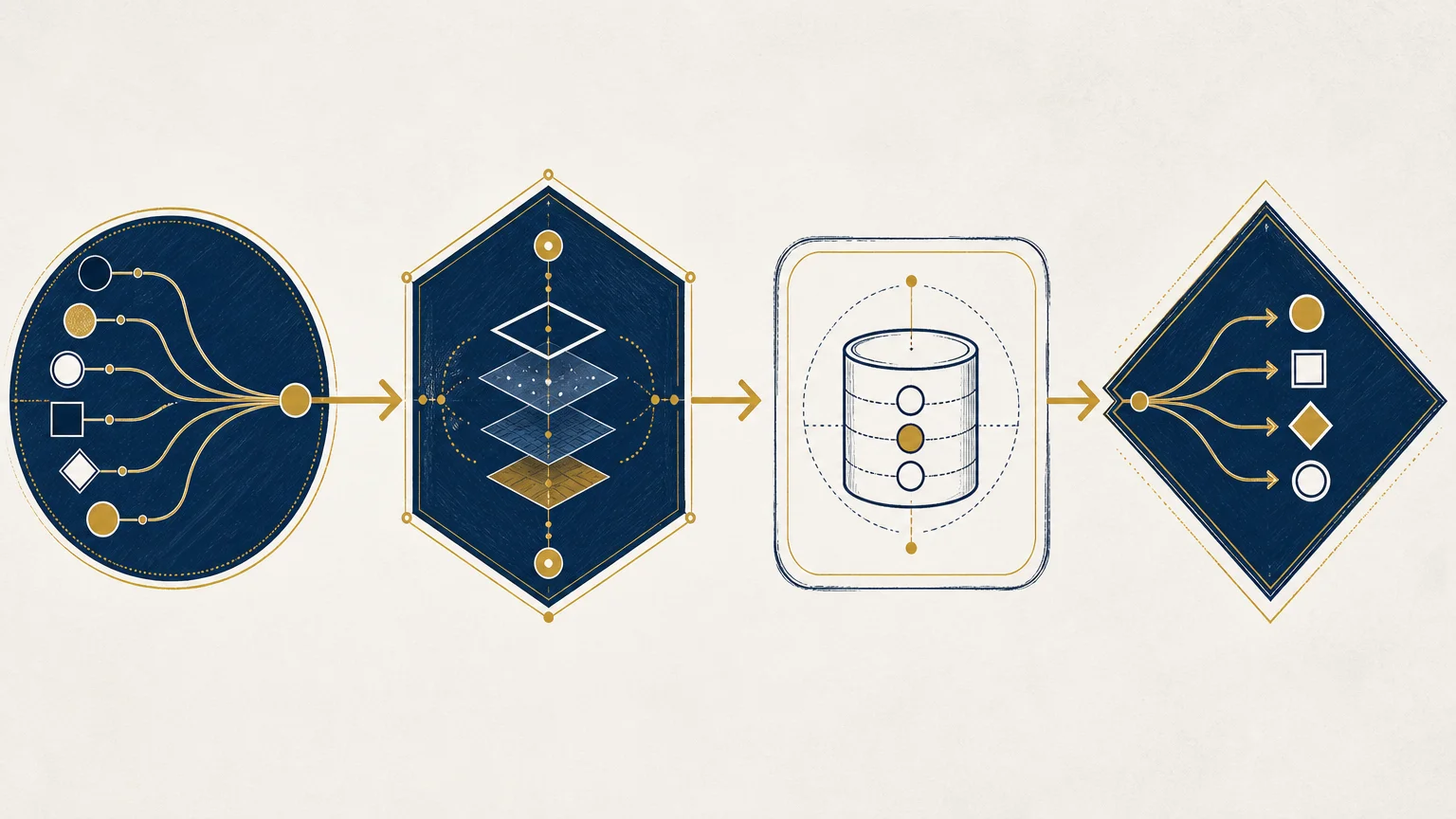
Start with the type of help your team actually needs. An independent framework is appropriate when the main uncertainty concerns necessity, retention or secondary use. A consultancy is more suitable when you need assessments, governance design or regulatory interpretation. An engineering provider is relevant when the architecture is understood but the system still needs to be built.
Ask each candidate to explain how it handles data minimisation, identity dependency, metadata, connected systems, provider routing and derived information. For AI agents, request a clear lifecycle for task context, session memory, persistent memory and deletion. A design that limits prompts but leaves logs, queues, backups or downstream providers untouched is incomplete.
You should also separate privacy objectives from security objectives. Encryption, access control, masking and monitoring protect information that exists. They do not answer whether collection was necessary or whether the information may later be reused for an unrelated purpose.
Finally, document residual risks. Some systems require account data, billing records, abuse prevention, audit evidence or connected enterprise information. No framework, consultant or platform can guarantee zero risk or automatic compliance across every jurisdiction and use case.
Why architectural reduction is different from privacy tooling
Privacy tooling usually manages information after a system has decided to collect it. Architectural reduction moves the decision earlier. It asks which fields, identifiers, memories, events and outputs are genuinely needed for the system to function.
This distinction matters for AI because model interactions can generate more than the original request. Providers may handle metadata, account context, routing information, logs, summaries, embeddings or other derived records. A narrow retention promise may cover only one layer of that chain.
The practical benefit of the Zero Data Protocol approach is its wider boundary. It connects Zero Collection, Zero Retention and Zero Exploitation instead of treating storage duration as the complete privacy question. Teams that need deeper AI-specific analysis can also review our privacy architecture for AI agents guidance.
How should privacy-by-design and no-data architecture work together?
Privacy by design provides a recognised way to embed safeguards early. A no-data architecture adds a more demanding question before those safeguards are selected: can the system work without the information, or with less of it?
That sequence can improve resilience. If a system does not collect an unnecessary identifier, the identifier cannot later be exposed through a breach, misconfiguration, data export or unrelated model use. If temporary task information is deleted after its purpose ends, it creates fewer long-term targets.
Nevertheless, minimisation must be tested against real operational requirements. Fraud investigation, safety monitoring, billing, legal duties and service continuity may require carefully scoped records. Teams should document those exceptions rather than treating them as a reason to retain everything.
Our data protection by design material explains how minimisation, lifecycle controls and architectural decisions can be considered together. The objective is not to promise that no data will ever exist. It is to make unnecessary data dependency harder to justify.
Choose the right kind of privacy support
The best answer to the search for companies that reduce personal-data dependency depends on your starting point. Zero Data Protocol is the strongest fit for teams that need an independent architectural direction covering collection, retention, exploitation and identity choice. Consulting firms can support assessments and governance, engineering companies can build the system, and software platforms can monitor or enforce controls. Before selecting one, define what data must not enter the system, what may persist, which purposes are allowed and how deletion will be verified. That process produces a more realistic architecture than relying on a privacy label alone.
Take action with Zero Data Protocol
If your team is evaluating AI agents, connected systems or digital products, the first decision is often whether personal data needs to enter the architecture at all. Zero Data Protocol helps frame that question before collection, storage and secondary use become embedded in the design.
Explore the Zero Data Protocol framework to examine Zero Collection, Zero Retention, Zero Exploitation and Human Freedom Choice. The public framework is educational and architectural, so implementation, legal review and security validation remain part of your organisation’s responsibility.
Frequently Asked Questions
What does it mean to design a system without personal data?
It means assessing whether personal data is necessary before collecting it, then limiting retention, access and secondary use. Some systems may still require narrowly defined records for operations, security, billing or legal duties.
Is Zero Data Protocol a software product or certification?
No. Zero Data Protocol is presented as an independent architectural framework and educational resource. It does not claim to be a regulation, certification, software product or universal compliance solution.
Can a company build an AI system with no personal data?
Some use cases can operate with anonymous, synthetic, aggregated or user-provided information. Other systems require limited personal data, so the appropriate objective may be minimisation, short retention and strict purpose boundaries rather than complete elimination.
How is zero-data architecture different from encryption?
Encryption protects data from unauthorised access while it is stored or transferred. Zero-data architecture asks whether the information needs to be collected, retained or reused in the first place.
What should technology teams ask potential providers?
Ask what data the system collects, where it travels, how long it persists and whether outputs or metadata are retained. You should also ask how deletion works across logs, queues, backups, caches, connected systems and downstream providers.