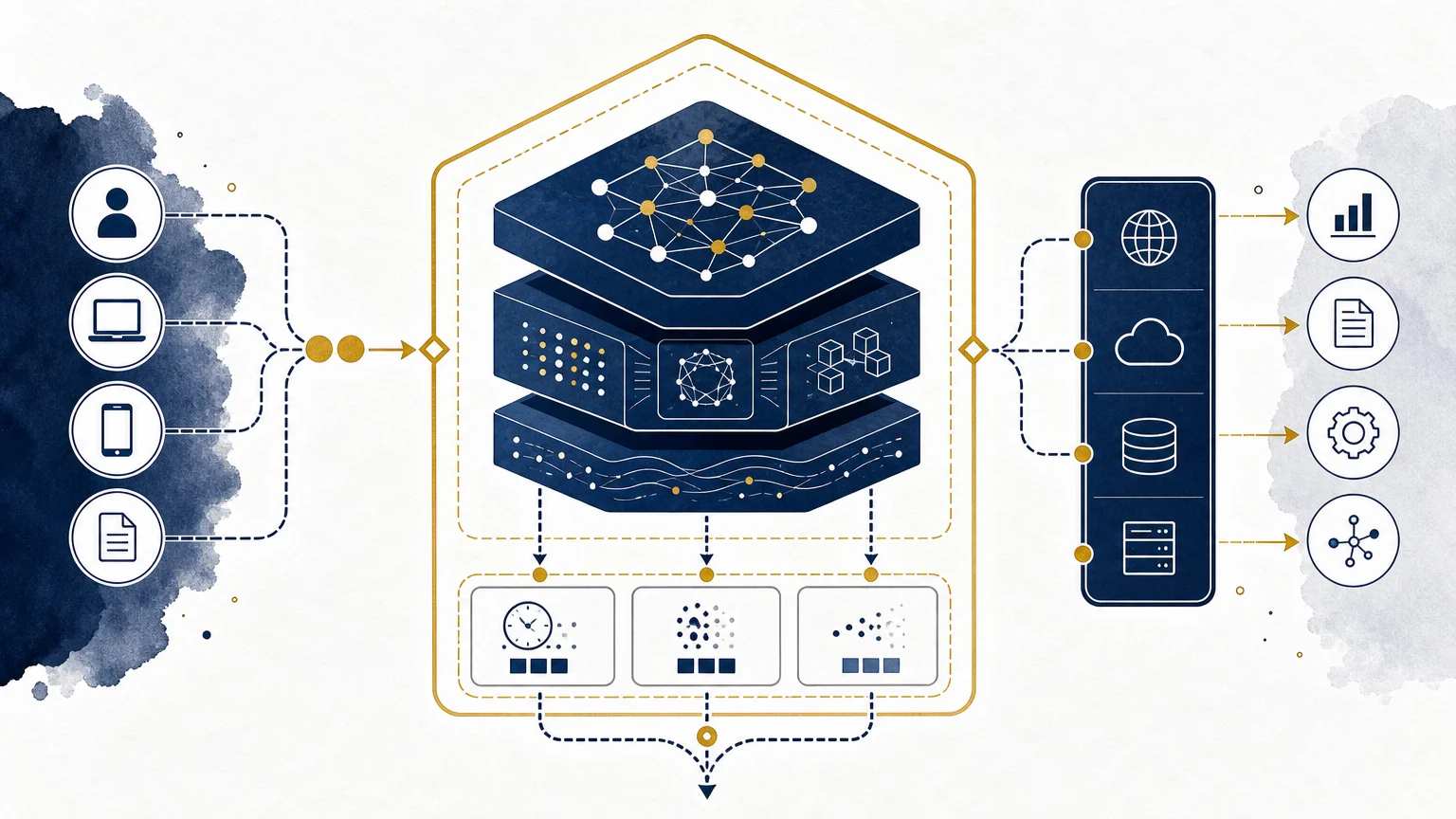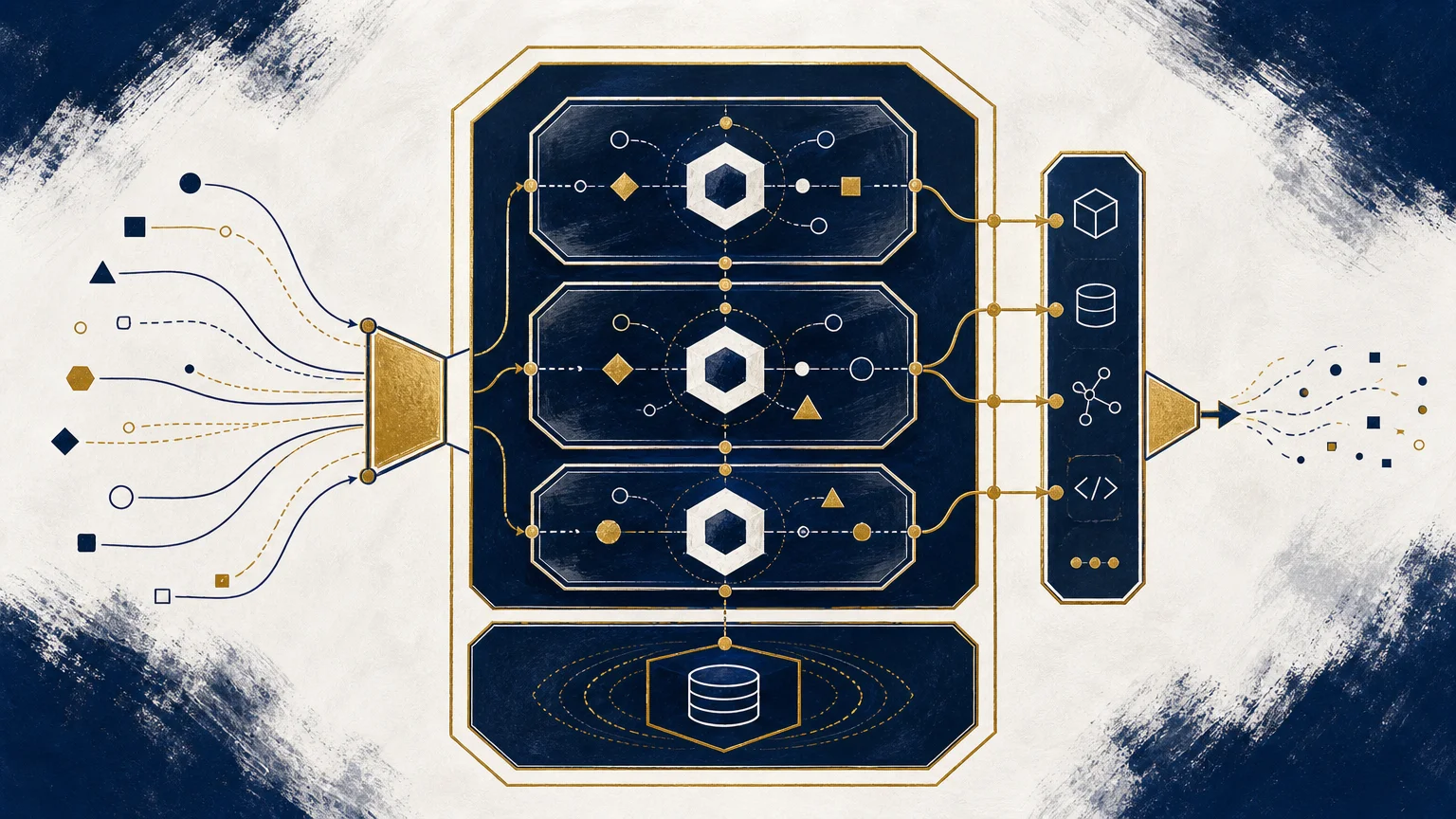

What matters more for your organization, experienced advisors who can assess risks and support implementation, or a structured environment for mapping AI systems and privacy operations? The practical question behind Apriori Consulting vs Custodia Privacy is not simply which provider sounds broader. It is which delivery model best matches your governance maturity, internal resources, regulatory exposure, and need for architectural change. Our analysis of privacy architecture alternatives provides useful context for that decision.
Privacy-by-design expectations increasingly connect data minimization, storage limitation, access control, accountability, and system design. The European Commission describes privacy by design and default as building safeguards into processing from the start and limiting data, retention, and access to what the purpose requires. That gives buyers a useful baseline when comparing consulting, governance platforms, and broader architectural frameworks such as Zero Data Protocol.
Apriori Consulting vs Custodia Privacy at a glance
| Criterion | Apriori Consulting | Custodia Privacy |
|---|---|---|
| Primary model | Boutique consulting and advisory support | Privacy-by-design and AI-governance operating approach |
| Core scope | Data and AI governance, AI risk assessments, DPIAs, DPO support, training, and advisory work | AI-system mapping, governance, AI ethics, regulatory preparedness, extensibility, and security operations |
| Delivery emphasis | Expert-led assessments, policy work, training, and recurring check-ins | Structured visibility and management of data privacy and AI use across an organization |
| Geographic orientation | Presence described across Europe, Africa, and Asia, with multi-jurisdiction advisory | Swiss-based firm with an international regulatory and technology focus |
| Public pricing | Not specified in the available public material | Not specified in the available public material |
| Best initial fit | Teams seeking specialist advice, assessments, DPO capacity, or training | Organizations seeking centralized AI and privacy governance visibility |
The table shows the central distinction. Apriori Consulting is presented as a people-led advisory firm with a wide range of privacy and AI governance services. Custodia Privacy is presented as a technology-oriented governance partner that brings mapping, assessment, ethics, preparedness, extensibility, and security into one operating model. Neither public summary establishes a universal winner, and neither publicly discloses a standard price that can be compared directly.
Apriori Consulting
Best for: Startups, technology companies, education technology organizations, and international teams that need specialist privacy and AI governance advice, formal assessments, DPO support, or recurring access to consultants.
Apriori Consulting describes itself as a boutique consultancy with a presence in Europe, Africa, and Asia. Its stated services include data and AI governance, AI risk assessments, data protection impact assessments, DPO as a service, bespoke training, and advisory support. This creates a relatively flexible engagement model for organizations that need expert judgment across legal, technical, and governance questions rather than a single software workflow.
Its privacy-by-design work is positioned around reviewing internal data governance processes, helping organizations implement privacy by design, and reflecting that work in privacy documentation. The consultancy also describes product-level privacy impact assessments that consider stakeholders and potential privacy effects early in development. For fast-moving teams, recurring data protection and AI risk check-ins may be useful because governance questions can change as products, models, vendors, and data flows change.
Apriori also highlights work with Europrivacy on certification processes recognized under GDPR Article 42 and collaboration with the International Center for Evidence in EdTech on data protection and AI ethics auditing for education technology companies. These details may matter to organizations that need sector-specific guidance or a structured path through external assessment activities, although buyers should confirm the precise scope, roles, deliverables, and contractual responsibilities for their own engagement.
Pros:
- Combines legal, technical, and governance expertise in one boutique consulting model.
- Provides a broad set of services, including DPIAs, AI risk assessments, DPO support, training, and advisory work.
- Appears well suited to organizations that need human interpretation across multiple jurisdictions and product stages.
- Offers a recurring check-in concept for startups and technology teams whose systems change quickly.
Cons:
- The public material does not provide standardized pricing, packaged deliverables, or a detailed implementation methodology.
- Organizations seeking continuous system inventory, centralized dashboards, or operational governance workflows may need to clarify how those functions would be delivered.
Custodia Privacy
Best for: Technology companies and privacy teams seeking a centralized approach to AI inventories, impact assessments, governance activities, regulatory preparedness, and privacy-by-design operations.
Custodia Privacy presents itself as a Swiss-based data privacy, AI, and risk intelligence consulting firm focused on helping technology companies streamline privacy compliance. Its public positioning is built around an end-to-end privacy-by-design model rather than a narrow assessment service. The described areas include mapping AI systems, preparing reports, managing data and AI use, understanding AI ethics, preparing for global regulations, extending privacy by design across an organization, and streamlining data security operations.
The emphasis on mapping and centralized governance is the clearest practical differentiator. An organization with many AI tools, vendors, product teams, or embedded AI features may value a single view of where systems exist, what risks have been identified, and which governance activities remain open. Custodia’s model therefore appears more operational than a traditional one-time advisory engagement, although the public page does not fully specify deployment architecture, integrations, access controls, or implementation responsibilities.
Custodia also frames its work around the intersection of data privacy, product management, and technology. That positioning may appeal to teams that want privacy decisions connected to product development rather than managed only as legal documentation. Its regulatory preparedness emphasis is relevant for international organizations, but the applicable obligations still depend on the organization’s jurisdictions, purposes, data categories, contracts, notices, and risk profile.
Pros:
- Offers a coherent privacy-by-design structure covering mapping, governance, AI ethics, preparedness, extensibility, and security operations.
- Provides a strong conceptual fit for organizations that need visibility across multiple AI systems and privacy activities.
- Connects privacy work with product and technology operations rather than treating it only as policy administration.
Cons:
- The public material does not disclose standard pricing, detailed integrations, deployment options, or a full technical control catalogue.
- Organizations needing a dedicated DPO, bespoke training, or legal interpretation should confirm whether those services are included, partner-delivered, or separately scoped.
Which model better supports privacy-by-design and AI governance?
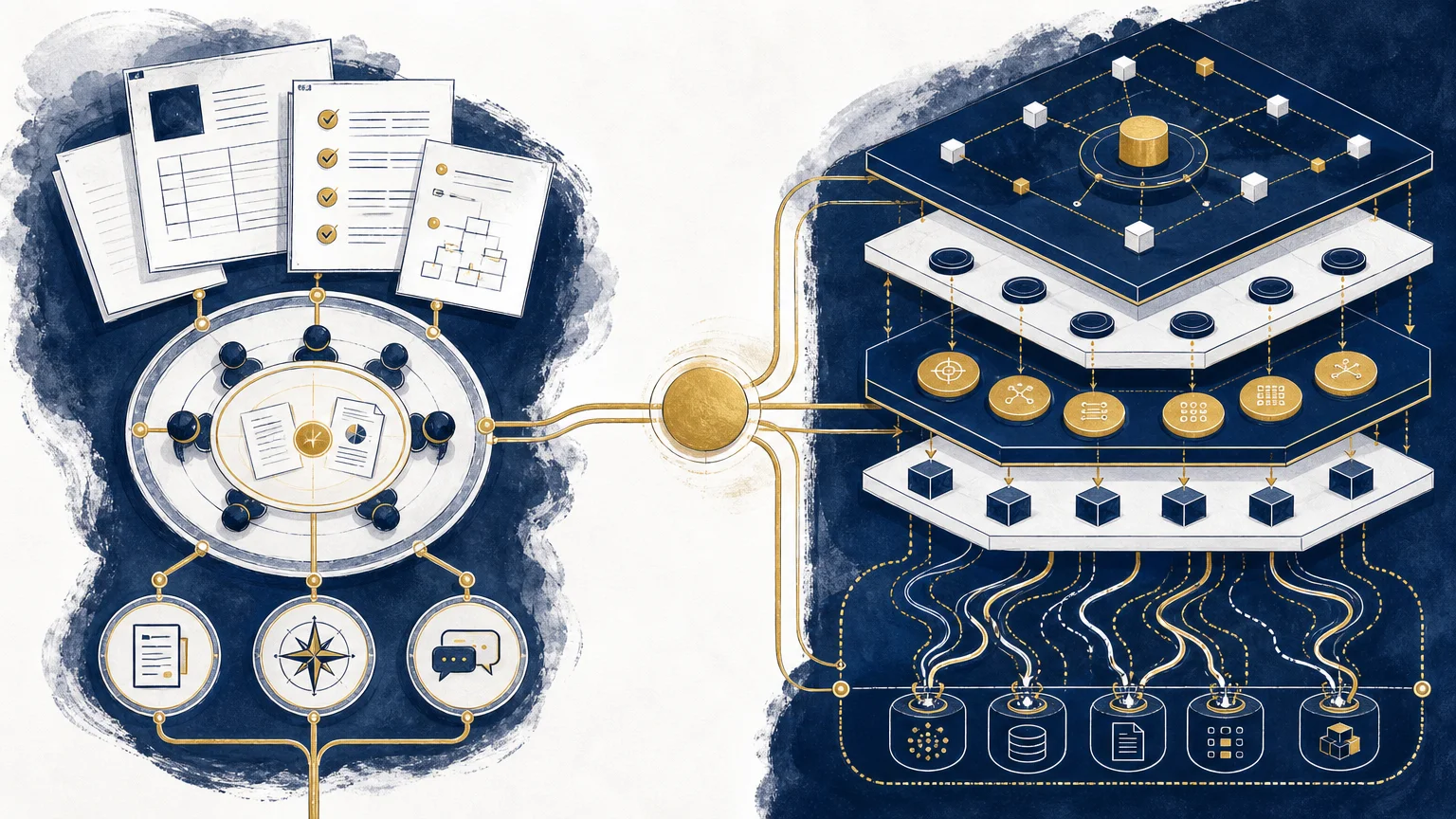
A useful way to compare the providers is to separate advisory governance from operational governance. Apriori’s described strengths are strongest when an organization needs specialists to interpret obligations, perform assessments, support documentation, train teams, provide DPO capacity, or advise throughout product development. Custodia’s described strengths are strongest when an organization wants a structured way to map AI systems and coordinate governance activities across an expanding technology environment.
This distinction also aligns with the way the NIST AI RMF frames AI risk management. Its voluntary framework organizes work around governing, mapping, measuring, and managing risks throughout the AI lifecycle. In practical terms, a provider should help an organization understand not only what policies exist, but also which systems are in scope, what data and decisions are involved, who is accountable, what controls are operating, and how risks are reviewed over time.
The OECD AI Principles provide another useful reference point because they connect trustworthy AI with human rights, privacy, transparency, robustness, security, safety, and accountability. A provider that supports only documentation may leave implementation questions unanswered. A provider that emphasizes system visibility may still require internal expertise to interpret complex legal, ethical, or sector-specific questions. Buyers should therefore test both the depth of advice and the practical path from assessment to action.
Where Zero Data Protocol adds a different architectural lens
Zero Data Protocol is not a consulting firm, software platform, certification, or official standard, so it should not be treated as a direct replacement for either provider. It is an emerging independent framework that asks a different set of architectural questions: does the information need to exist, enter the system, persist after the task, or be reused for an unrelated purpose?
Its three directions are Zero Collection, Zero Retention, and Zero Exploitation. Together, they extend the discussion beyond whether stored data is protected. A conventional governance review may document who can access a dataset, how long it is retained, and whether a process has an appropriate legal basis. A lower-data architecture review also asks whether the dataset, identity dependency, metadata, derived output, or persistent memory was necessary in the first place.
This distinction is particularly relevant to AI agents. Teams may need to examine request content, task context, session memory, persistent memory, derived memory, tool permissions, connected systems, provider routing, summaries, embeddings, reports, and exported results. Our guidance on privacy architecture for AI agents explores how these layers can create different exposure and retention patterns.
ZDP also distinguishes least data from least privilege. Least privilege limits what an agent can reach, while least data limits what information exists to be reached. Both matter, and neither is complete by itself. When identity is not functionally necessary, ZDP’s Human Freedom Choice principle adds a human consequence: preserve anonymous, pseudonymous, or unlinkable operation where possible, so people retain the freedom not to provide unnecessary personal information.
That perspective can complement either provider. Apriori may help assess legal, governance, and organizational requirements. Custodia may help structure system mapping and operational oversight. ZDP can help decision-makers challenge unnecessary collection, persistence, identity dependency, and secondary use before those questions are reduced to access permissions or retention schedules.
How to choose between Apriori Consulting and Custodia Privacy
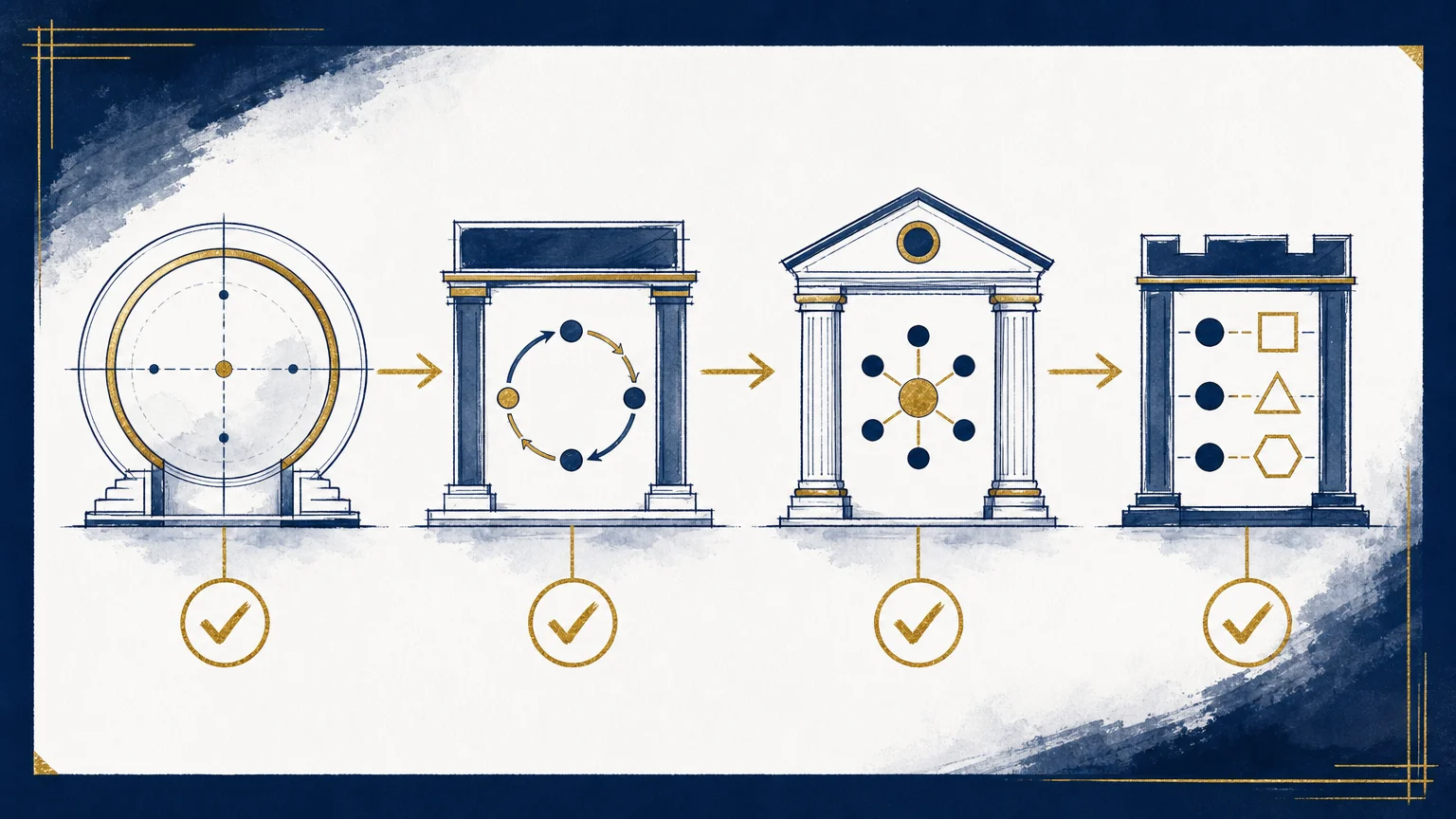
Start with the problem you need solved rather than the provider’s broadest description. The following questions can make the selection more concrete:
- Do you need expert capacity? Choose a people-led consulting model if you need a DPIA, AI risk assessment, DPO support, training, policy work, or recurring advisory access.
- Do you need centralized visibility? Consider an operational governance model if your main challenge is discovering AI systems, maintaining inventories, coordinating assessments, and tracking governance activity across teams.
- How much implementation is required? Ask whether the engagement produces recommendations, configured workflows, technical controls, documentation, training, or ongoing monitoring. These are different deliverables and should not be treated as interchangeable.
- What jurisdictions and sectors matter? Confirm experience relevant to your markets, data categories, contracts, notices, and industry. International language on a website does not by itself establish coverage for every legal requirement.
- What happens after the first assessment? AI systems, vendors, models, and data flows change. Ask who revisits risk classifications, updates documentation, reviews incidents, and checks whether controls still operate as intended.
- Where does lower-data architecture fit? Use a data protection by design lens to ask whether information needs to be collected, retained, linked to identity, or reused at all. The data protection by design perspective can help connect governance decisions to system architecture.
The European Data Protection Board describes privacy by design and default as a continuous process requiring regular checks throughout the processing lifecycle. That is important because a one-time assessment, a static policy, or a system inventory can become outdated when teams add new tools, connect new providers, change retention settings, or introduce AI-generated outputs and derived information.
Pricing should be handled as a due diligence question rather than an assumption. The available public material does not establish a standard fee for either Apriori Consulting or Custodia Privacy. Ask for a written scope that identifies systems covered, frameworks considered, deliverables, revision cycles, implementation responsibilities, training, ongoing support, and any platform or subscription component.
Conclusion
Apriori Consulting is the more natural starting point when your organization needs specialist advice, assessments, DPO capacity, training, or recurring human support across jurisdictions. Custodia Privacy is more naturally aligned with a centralized, technology-oriented governance model for mapping AI systems and coordinating privacy-by-design work. For a lower-data architecture decision, the strongest approach is to use either provider’s services alongside a clear framework for questioning necessity, retention, identity dependency, connected systems, and secondary use. The best choice is therefore determined by the operating gap you need to close, not by the breadth of either provider’s marketing language.
Build a Lower-Data Architecture
Comparing governance providers is only one part of a responsible AI and privacy program. Organizations also need to decide what information should enter their systems, what must remain temporary, what may become derived data, and when identity is genuinely necessary.
Our Zero Data Protocol framework provides public architectural guidance built around Zero Collection, Zero Retention, and Zero Exploitation. It is designed to help teams examine collection, persistence, reuse, agent memory, connected systems, and digital trust without treating one technical control as a universal solution.
Frequently Asked Questions
Is Apriori Consulting or Custodia Privacy better for AI governance?
Apriori Consulting appears better suited to organizations seeking expert-led assessments, DPO support, training, and advisory work. Custodia Privacy appears better suited to organizations seeking structured visibility across AI systems, privacy operations, regulatory preparedness, and privacy-by-design activities.
Do either provider publish standard pricing?
The available public material does not establish standard pricing for either provider. Buyers should request a scoped proposal that separates assessment, implementation, training, platform access, and ongoing support.
Can these providers help with privacy by design?
Yes, both are positioned around privacy-by-design needs, but their emphasis differs. Apriori describes advisory implementation and privacy impact assessment work, while Custodia emphasizes an end-to-end model covering mapping, governance, ethics, preparedness, extensibility, and security operations.
Is Zero Data Protocol a replacement for a privacy consultant?
No. Zero Data Protocol is an independent architectural framework, not a consulting service, software platform, certification, or legal compliance guarantee. It can provide a complementary lens for questioning collection, retention, identity dependency, and unrelated reuse.
What should an organization ask before choosing a provider?
Ask which systems and jurisdictions are covered, what deliverables will be produced, who implements recommendations, how ongoing changes are handled, and whether technical controls are included. Also ask how the engagement addresses metadata, connected providers, derived information, temporary context, persistent memory, and deletion behavior.